

Finding a good mechanic can feel like a game of chance. With so many options out there, it’s hard to know who you can trust to take care of your car without draining your wallet. After all, mechanics naturally have specialized knowledge of cars that you might not, which can make it easy for them to convince you that certain repairs are urgent—even when they aren’t.
But the good news is, there are ways to find a mechanic who’s not only skilled but also honest. With a little research and a few key tips, you can protect yourself from unnecessary repairs and build a relationship with someone who truly has your best interests at heart.
Ask On Social Media

Platforms like Facebook, Reddit, and Nextdoor are great resources for recommendations. While you won’t necessarily know the credibility of the people who respond, these platforms often yield quick and trustworthy suggestions from those who have had positive experiences with local mechanics.
Evidence
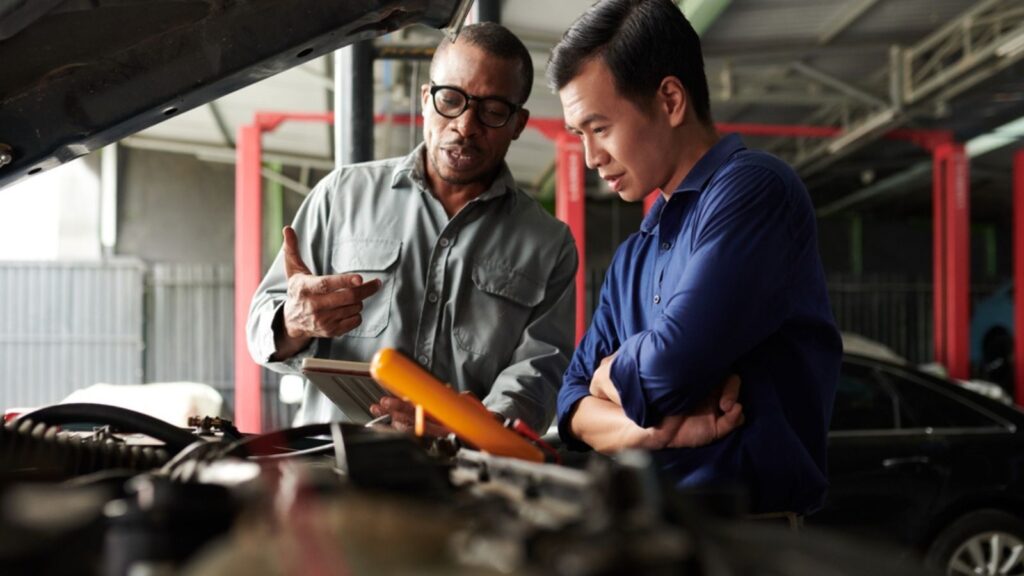
If a mechanic identifies an issue, ask to see it. Reputable shops will usually allow you to view the problem directly or provide a photo or video. Be cautious if a mechanic claims they can’t show you the issue due to “insurance policies.” This excuse is often used by dishonest mechanics, especially when it comes to easily replaceable parts like air filters. It’s not difficult for them to have a used or damaged filter on hand, ready to show you as an ‘urgent’ issue, which can lead to unnecessary repairs.
Beware of Urgent Repairs

A good mechanic will tell you which repairs need to happen right away versus those that can wait. If a mechanic pressures you into a long list of immediate fixes and your vehicle seems to run just fine, they might be upselling services you don’t need.
Diagnostic Fees Are a Good Thing

Lots of mechanic shops charge a diagnostic fee to look at your vehicle. This not only helps to cover the many business expenses but also ensures a fair assessment of your car. While many customers scoff at a diagnostic fee, take it as a good sign. If the shop didn’t ask for a diagnostic fee, they would be more motivated to find other issues with your car that might not be urgent or real.
Use AAA’s Recommendations
You’ve heard of AAA roadside assistance, but AAA does way more than that. They also offer a list of AAA-approved mechanics near you. AAA asks for proof of certifications and follows up with people who have been to shops to see how their repairs went.
Ask for Certifications

To be fair, being ASE certified doesn’t mean a mechanic isn’t trying to rip you off, but it’s a good sign that the mechanic knows what they are doing. A mechanic with no certification might indicate inexperience or unqualified service. Worse yet, they might be doing something even more unscrupulous, like taking your money and not fixing your car, leading to more expensive repairs later.
Unexpected Repairs

If you go in for something straightforward, like an oil change or tire rotation, and the mechanic suddenly identifies a long list of issues, take a step back. Unnecessary upselling can indicate dishonesty, and a mechanic who presents much more work for a vehicle that is driving fine may be looking for a bigger check.
Years of Experience

Good mechanic shops don’t appear overnight, and established shops with a long history often have a reputation to maintain. Doing some online searches will often reveal how long a business has been around. Be cautious if a mechanic inflates their experience level without proof.
Know Your Car

Learning more about your vehicle and how it works helps you detect when something isn’t right. Pay attention to how your vehicle drives and performs, and learn the names of essential parts of your engine and suspension. This knowledge makes it harder for someone to take advantage of you.
Ask About Labor Rates

Labor rates vary but should align with industry standards. Ask for a breakdown of how many hours were billed and compare this to manufacturer guides for repair times. Keep in mind that very low rates may reflect inexperience or shortcuts.
Research Part Prices

Yes, mechanics make a profit from selling parts, too. And they should. They have to buy them, stock them, and make money somehow – but prices should be reasonable. Ask for the part names or numbers and compare costs online or at local stores. This helps you gauge whether the markup is fair. You might find that some service centers have more reasonable prices than others.
Request the Old Part
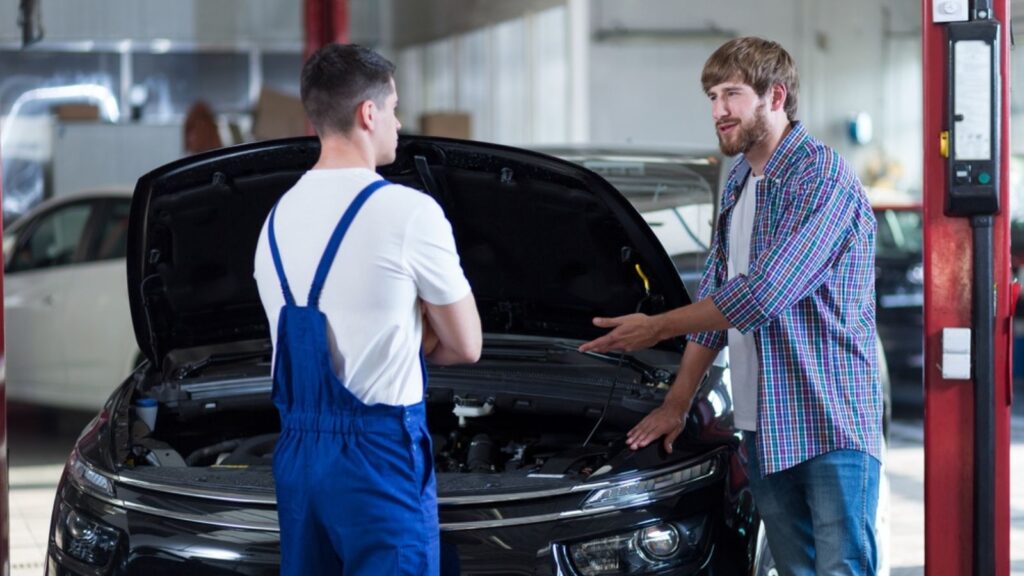
Most automotive repairs involve replacing or fixing a part. Before a mechanic starts work on your vehicle, ask them to give you the old part they are removing. If they object, it’s a sign that they might not intend to replace anything but still charge you.
Speak Directly to the Technician

Most mechanic shops have service writers and technicians. The technicians do the mechanical work while the service writers speak to customers and present repair orders. Technicians are often more straightforward about the condition of your car since their role is less focused on sales.
Check Online Reviews

Google remains an excellent source for reviews. You can sort by newest, most helpful, and lowest rating with Google. This helps you see whether or not a mechanic has old bad reviews and if they have improved. Remember that even a good mechanic could get a negative review from an upset customer, so don’t run away because of one or two bad experiences.
Ask Friends and Family

All businesses rely on word of mouth and good recommendations to attract new customers. It’s way cheaper than other advertising methods and says they’ve done well. Ask your friends and family who live near you who they go to for vehicle maintenance and repairs. Your local connections may have good experiences they wish to share with you.
Finding a Reliable Mechanic Is Worth the Effort

The best mechanic for your needs won’t necessarily be the cheapest but will offer fair pricing and realistic advice about your car. Once you find a trustworthy shop, make sure to recommend them to others. Good mechanics rely on their reputation and satisfied customers to thrive, so sharing your experience helps ensure quality service for everyone.
More From Driver’s Drift

15 Easy-to-Miss Signs of Unmarked Cop Vehicles You Should Know About

15 Best-Looking SUVS On the Market Today

16 Reliable Vehicles That Seldom Need a Trip to the Repair Shop

15 Continuously Variable Transmissions (CVT) Cars That Are Worth Your Investment


