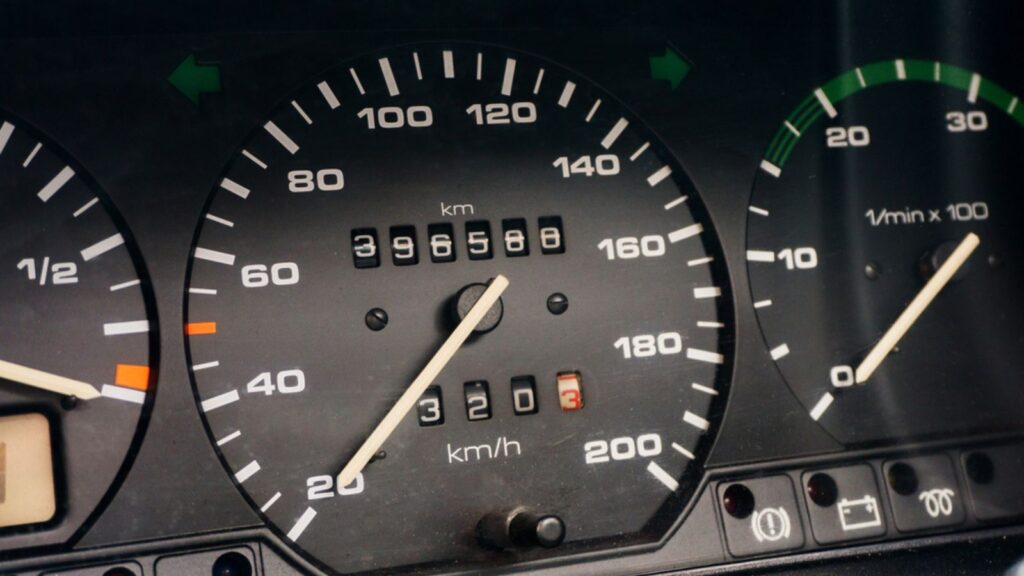
Vehicle warranties are often wrapped in layers of fine print and technical jargon, leaving many drivers unsure of what’s actually covered. While you may skim through the paperwork and get a quick overview at the dealership, there’s usually much more to your warranty than meets the eye. Understanding the details could save you from unexpected expenses—or costly mistakes.
Here are 15 things you might not know about your vehicle warranty and what they mean for you.
Aftermarket Parts

Using aftermarket or non-OEM (Original Equipment Manufacturer) parts can sometimes affect your car’s warranty, but it doesn’t automatically void it. For example, installing a lift kit on a truck might not cancel your warranty entirely, but it could void coverage for related components, like the suspension or drivetrain. To avoid surprises, check with your vehicle manufacturer before making modifications and weigh the potential risks to your warranty.
You Can Transfer Most Warranties

In most cases, vehicle warranties stay valid even if the car changes hands. Manufacturers are more concerned with the warranty’s time limit or mileage cap rather than the identity of the owner. However, some warranties may offer reduced coverage or added restrictions for second owners, so it’s essential to research the specific terms before buying or selling a vehicle.
Warranties Don’t Cover Regular Maintenance

While some manufacturers include perks like free oil changes or tire rotations for a limited time when you buy a new car, warranties generally don’t cover routine maintenance. Items like brake pads, windshield wipers, spark plugs, and other wear-and-tear components are your responsibility. Regular upkeep is essential, and you’ll need to budget for these costs separately from your warranty coverage.
A Lack of Regular Maintenance Voids Your Warranty

Skipping routine maintenance can cost you more than just performance issues—it can void your warranty altogether. Most warranties require you to follow the manufacturer’s recommended maintenance schedule to remain valid. For instance, if you miss oil changes and your engine fails, your claim could be denied. Always stick to the prescribed schedule, and ensure you keep receipts and records, whether you use a dealership or an independent mechanic.
Independent Auto Shop Repairs Are OK

Thanks to the Magnuson-Moss Warranty Act, you are not required to use a dealership for repairs or maintenance to keep your vehicle’s warranty valid. You can choose an independent auto shop as long as the work performed meets the manufacturer’s standards. However, it’s essential to keep detailed records, including receipts and documentation of the services performed, in case you need to submit a warranty claim later. Always ensure the shop uses quality parts and follows recommended procedures to avoid potential disputes.
Extended Warranties Can Sometimes Be Canceled

If you bought an extended warranty for your vehicle, you might have the option to cancel it and receive a refund, especially if you haven’t used it. Many contracts include a grace period during which you can get a full refund, but the specifics vary depending on the warranty provider. Even after the grace period, you might qualify for a prorated refund if you cancel before the coverage period ends. To avoid surprises, carefully read the terms and conditions of your warranty agreement before committing.
Warranties Are Unique

No two vehicle warranties are exactly alike. While many manufacturers offer similar coverage, each warranty has specific terms, conditions, and exclusions that set it apart. Even if you’re familiar with a brand’s warranties from a past purchase, policies may have changed. Always read the fine print and fully understand the coverage periods, mileage limits, and what’s included or excluded before making assumptions about your warranty’s protection.
Abuse Voids Your Warranty

Vehicle warranties are designed to cover normal use, but pushing your car beyond its intended purpose can void the agreement. While manufacturers often leave “abuse” or “misuse” vaguely defined, it generally includes things like racing, towing beyond the vehicle’s rated capacity, or ignoring operational guidelines. Ultimately, the warranty administrator decides whether misuse occurred. To stay protected, stick to the recommended uses for your vehicle and operate it responsibly.
Your Warranty Might Include Roadside Assistance

While your car insurance plan will likely offer this, it’s nice to know that your new car warranty may include roadside assistance. Coverage often involves a jump-start, towing, or gas if you are stranded. However, be aware that the length of your roadside assistance coverage varies based on the manufacturer and may be shorter than other benefits.
Goodwill Repairs Are Possible

What happens if a major part of your car breaks down right after your warranty expires? You might think you’re out of luck, but that’s not always the case. Some manufacturers or dealerships offer goodwill repairs, where they cover the repair costs as a gesture of customer service. Building a relationship with your dealer through regular servicing at their shop can increase your chances of receiving goodwill assistance.
An Electric Vehicle Battery Has Mandated Coverage

It’s no secret that replacing an electric vehicle battery can be an expensive exercise, often running into the tens of thousands of dollars. Fortunately, the EPA mandates that manufacturers provide coverage for EV batteries for a minimum of eight years or 100,000 miles. This ensures that if your battery fails within that period, you won’t be left with a huge repair bill, giving you peace of mind as an EV owner.
Unsolicited Warranty Sales Are Probably Scams

If you’ve received unsolicited calls about your warranty expiring soon, be cautious. These types of calls are often scams designed to pressure you into purchasing unnecessary coverage. Genuine warranty updates or offers will typically come directly from your dealership or manufacturer. Instead of engaging with these calls, always contact your dealer directly to verify your warranty status and avoid falling for a potential scam.
Extended Warranties Are Different From The Manufacturer’s Warranty

Extended warranties go beyond the basic coverage provided by your vehicle’s manufacturer. They typically offer additional protections, such as coverage for tire issues, collision repairs, key replacements, or even roadside assistance. However, these extended warranties come at an extra cost, and they aren’t essential for every driver. Before committing, carefully assess whether the added benefits align with your needs and if the extra expense is worth it in the long run.
You Can Appeal a Denial

If your warranty claim is denied, don’t assume it’s the final word. You have the right to appeal the decision, and it’s important to ask for a written explanation from the manufacturer or warranty provider detailing why the claim was rejected. The appeals process can vary by company, so make sure you understand the specific steps you need to take. Sometimes, persistence and proper documentation can result in a favorable outcome.
Warranties Are Written In Legalese, So You Might Need Help To Understand

Vehicle warranties are legally binding contracts, and their terms can often be difficult to navigate due to complex legal language. To avoid misunderstandings, it’s essential to read the fine print carefully and understand the coverage and exclusions. If needed, don’t hesitate to ask for clarification from your dealer or even seek help from a professional to ensure you’re fully aware of your warranty’s benefits and limitations. This proactive approach can save you from potential frustrations down the road.
More From Driver’s Drift

16 Must-Have Car Gadgets That All Senior Motorists Should Own

12 Most Reliable Hybrids You Should Consider Buying as Your Next Drive

15 Best-Looking SUVS On the Market Today

14 Red Flags That the Odometer on Your Used Car Is Skewed