Electric vehicles have become the talk of the town, with their promise of sustainability and cutting-edge technology. However, the EV industry faces significant challenges in convincing buyers to make the switch from gasoline-powered vehicles. Some of these hurdles stem from real-world concerns, while others reflect hesitations rooted in tradition and familiarity. Whether practical or psychological, these issues reveal why the EV industry is on an uncertain footing.
Here are 15 reasons that might make you think twice about going electric.
Startups Are Failing

Long ago, the American auto industry had many more manufacturers. Few survived. Today, many small companies are trying to develop and sell electric vehicles, and many of them are failing. Why? Electric vehicles cost a lot of money to plan, produce, and then sell, and only a few companies have mastered this. While start-ups may have the technical know-how to produce EVs, commercializing car sales is another ball game that favors incumbents.
Layoffs

Tesla plans to lay off nearly 10% of its workforce, over 140,000 workers. While Tesla CEO Elon Musk is known for his cost-cutting efforts, this doesn’t inspire confidence that even the largest companies in the EV industry are having issues.
Demand is Dropping

While electric vehicles have been selling well, momentum has waned, and demand is dropping. It may be true that EV experienced good sales growth in early 2023, but the trend didn’t continue until the end of the year into 2024.
Hybrid Vehicle Sales Are Up

Hybrid vehicles’ market share almost doubled in 2023. Why? The answer is likely that for those who want the benefits of EVs without the range anxiety and charging infrastructure, hybrid vehicles offer the best of both worlds, as they run on both a gas engine and a battery.
Family Options Are Still Limited
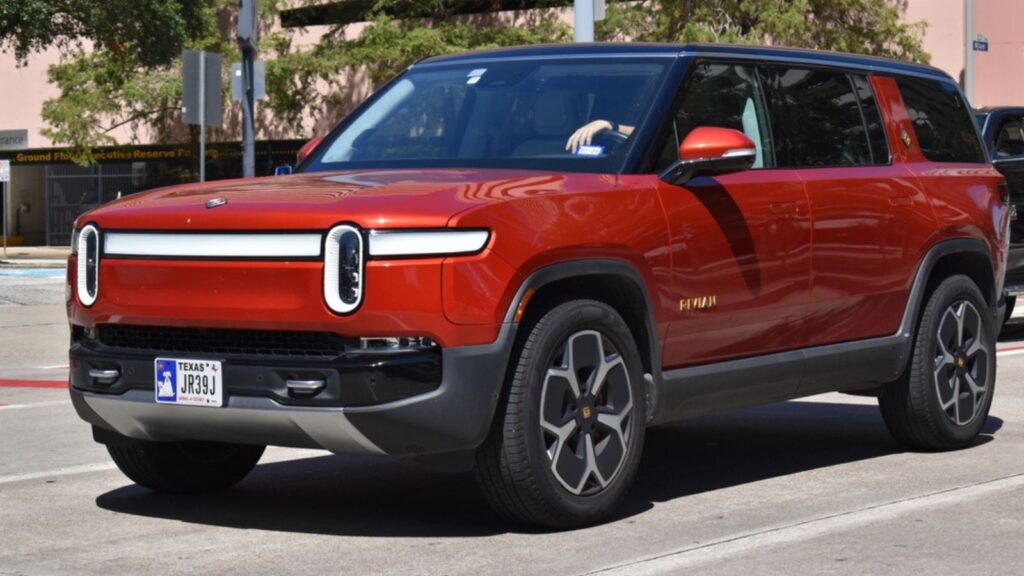
Only some people can afford to fit their family into an electric vehicle. Except for Rivian and Tesla, there are few electric SUVs with a big enough third row, and those vehicles sell for more than $60,000, which is steep for some budgets. The Cadillac Escalade IQ, the EV version of the Escalade that is larger than the gas-powered one, is set to be priced from an eyewatering $129,000, putting it out of reach of many.
Range Anxiety is Still Very Real

The driving range of electric vehicles has improved over the last decade. Unfortunately, electric vehicle manufacturers still struggle to convince customers that a range of 200 to 350 miles is enough.
Public Electric Charging Growth is Not Adequate

The good news is that the public charging network has grown 32% since 2023. The bad news is that the United States is relatively large, making the number of public charging stations currently available inadequate. In other words, EVs aren’t great for extended rural trips.
Public Chargers Aren’t All That Reliable

The hardware that goes into a gas station has been nearly perfected to the point where no one questions its reliability. EV charging stations aren’t quite there yet, with drivers in 2023 experiencing issues with charging failure at public stations 20% of the time. The number one problem reported by drivers is that EV stations won’t connect to the internet for authentication.
No ‘Do It Yourself’ Service

While many people opt not to service their gas-powered vehicles themselves, EVs present an even bigger challenge for those who enjoy hands-on car maintenance. Electric vehicles require highly specialized knowledge and training to handle their intricate electrical systems safely. This leaves enthusiasts and average garage mechanics unable to perform even basic repairs or maintenance, making EV ownership more dependent on certified professionals and potentially higher service costs.
Limited Service Options

In addition to not being able to work on a vehicle yourself, electric vehicles also have a smaller network of places that can fix a battery issue. Most of the time, an electric vehicle owner will likely have to rely on a non-local, though relatively convenient, pick-up service from Tesla or Rivian or bring their vehicle to a dealership. There aren’t many independent auto shops capable of taking on electric vehicles.
Expensive Battery Repairs and Replacements

If you don’t like getting a surprisingly large bill for replacing your electric battery, consider waiting a little while before buying an electric vehicle. Sure, the yearly maintenance for an EV is reasonably cheap, but the cost of replacing the battery pack can exceed $10,000. Indeed, the cost of replacing the battery will remain a significant concern until the cost of electric car service goes down or the price of batteries drops.
Dealers Aren’t Buying In, Yet

Many dealerships remain hesitant to embrace the shift to electric vehicles due to the substantial investments required. For example, Ford paused its EV certification program after backlash from dealers who faced upgrade costs exceeding $1,000,000 for chargers, training, and structural updates. Similarly, some Buick dealers opted to drop the brand entirely rather than invest in the necessary infrastructure for EV sales. This reluctance among dealerships adds another hurdle to widespread EV adoption.
Supplies

In recent years, EV companies have experienced issues with semiconductor shortages and battery materials. Launching a unique industry takes a lot of resources and may require years to build and scale the supply chains, and in some cases, these issues have led to the delayed production and release of vehicle models.
Confusing Tax Credits

Sure, you can get a tax credit for an EV purchase. First, you’ll have to go through an application process, and then you’ll have to wait for the new year to start and for tax time to roll around. The type of vehicles you can get a discount on also depends partly on the federal administration in charge, so it can vary.
Prices

Electric vehicles have become cheaper in the last decade but still cost more than gas-powered vehicles on average. Vehicle manufacturers seem to be focused on more feature-loaded electric vehicles, leaving drivers who are just starting out or have less money hanging with higher MSRPs. They have lots of ground to make up.
The Electric Vehicle Industry Has A Long Way To Go

The electric vehicle industry continues to face significant challenges in converting hesitant buyers. High prices, confusing tax credit policies, and limited vehicle options make it difficult to attract new adopters. Adding to the struggle is a charging infrastructure that remains unreliable in many areas, particularly where EV ownership is already low. These obstacles highlight the work manufacturers and policymakers must do to drive widespread adoption.
More From Driver’s Drift

16 Must-Have Car Gadgets That All Senior Motorists Should Own

12 Most Reliable Hybrids You Should Consider Buying as Your Next Drive
15 Best-Looking SUVS On the Market Today

14 Red Flags That the Odometer on Your Used Car Is Skewed