
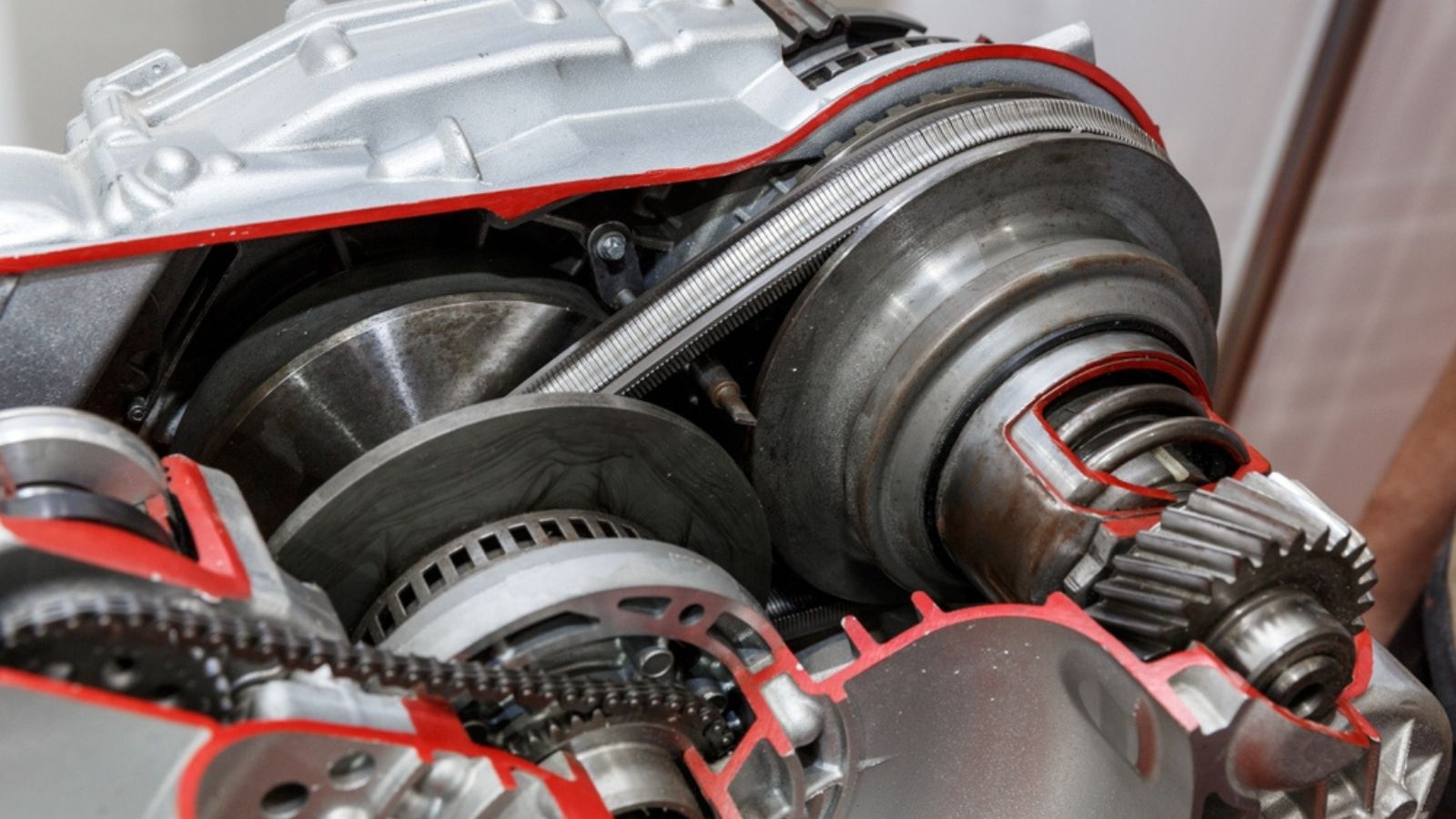
Cars with continuously variable transmissions, or CVTs, are usually not the first choice for aspiring car buyers who know a thing or two about transmissions. Although CVTs allow for infinite gear ratios and typically improve fuel economy, there have been some concerns associated with them. Fortunately, CVT designs are continually being updated to improve reliability.
Many vehicles remain as efficient, functional, and reliable with CVT transmissions as when equipped with conventional automatic or manual transmissions. This article explores such examples.
Subaru Impreza

Introducing a calm CVT into a Subaru Impreza may appear like the taming of a beast. However, CVT-equipped Impreza sedans perform just as well, even in terms of driving dynamics. The Subaru Impreza is also a solid option for customers living in areas with unpredictable weather, considering its all-wheel drive.
Honda Civic
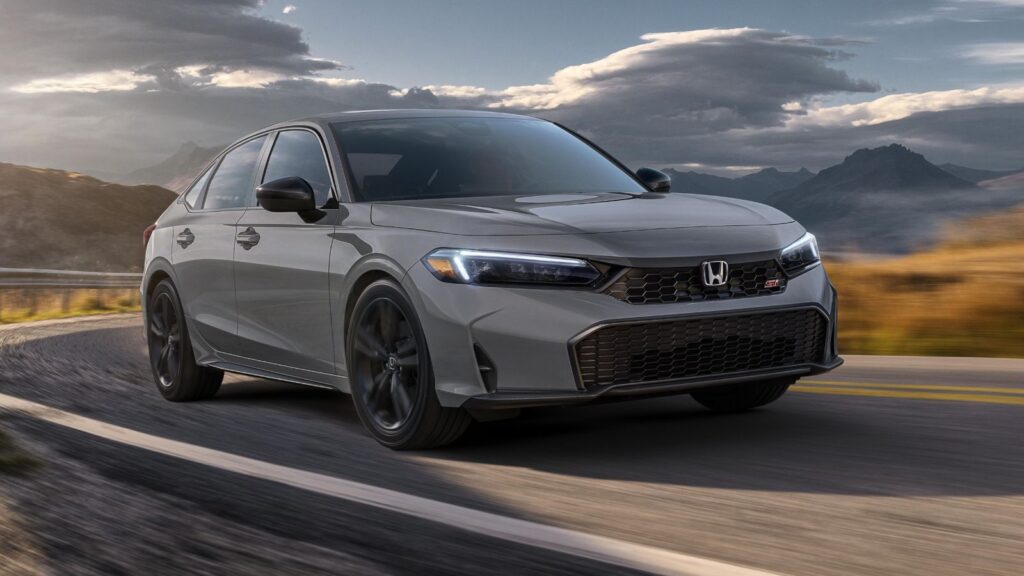
The Honda Civic is the ultimate low-budget practical vehicle. When the brand switched to a CVT, it also aligned with the ideology of a small car with tons of utility. Along with the transmission, it incorporates cutting-edge technology to provide a comfortable and convenient ride. The CVT also complements an efficient 1.5-liter turbo engine by improving fuel economy. Reliability-wise, the transmission has yet to be a source of consumer complaints.
Mitsubishi Outlander

The Outlander, initially known as the Airtrek, was introduced to the market to embody a sense of exploration and freedom. It is available with a CVT transmission that improves fuel economy while providing a comfortable ride. The transmission and engine’s predictive nature have also lent to its overall reliability. The Outlander has three-row seating, making it great for families.
Toyota Corolla
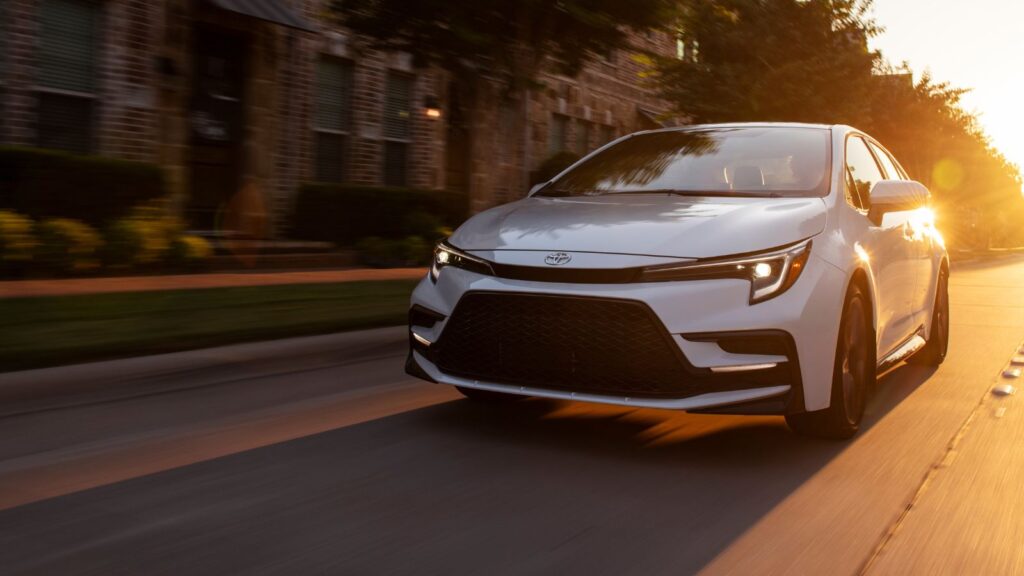
For decades, the Toyota Corolla has been praised for its dependability. It is also one of the cheapest vehicles to maintain, considering the parts are readily available and relatively affordable. The Corolla was fully redesigned in 2014 and adopted the CVT transmission. It retains the same reliability and has an even better fuel efficiency rating. Many owners claim high mileage on their cars, exceeding 250,000 miles, and this vehicle still runs like new.
Lexus ES

The Lexus ES is a mid-size executive model that provides comfort and performance and utilizes a continuously variable transmission. Lexus got it right by installing the CVT in the ES model. It instills confidence and provides a pleasant driving experience. Many customers have praised the sedan as a reliable daily driver with minimal maintenance expenses.
Honda CR-V

The Honda CR-V has been in the market for decades, known for its practicality and reliability. As a compact SUV, it is popular among young families due to its pleasant driving dynamics, utility, and comfort. The CVT provides an efficient ride and improves fuel efficiency as well. The brand also incurs a reduced production cost to include CVTs, hence the affordable price tag of the model within its class.
Kia Forte
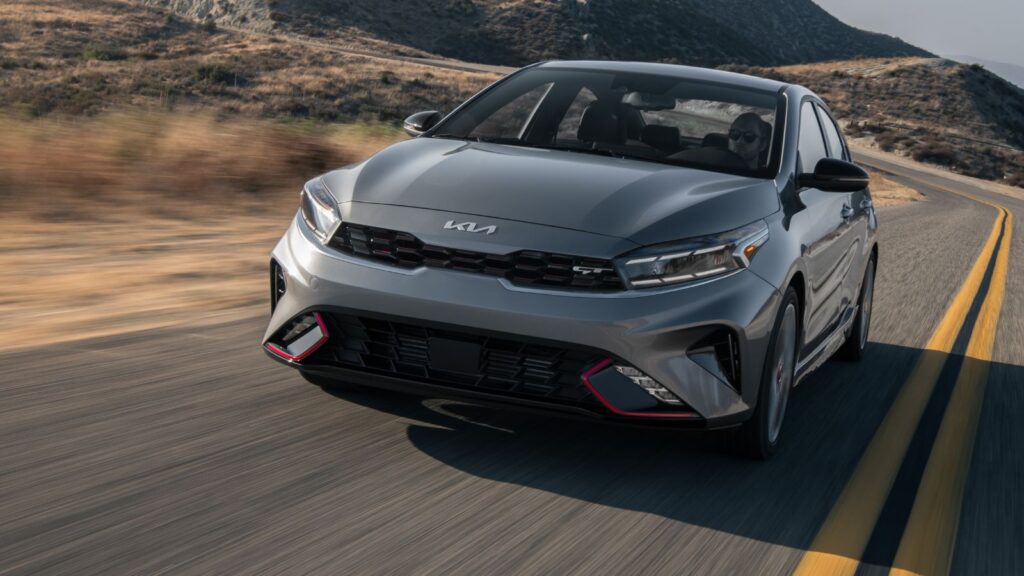
The Forte was made to be a value-packed sedan with a stylish exterior, good standard features, and cabin space. Its continuously variable transmission has made the Forte one of the most fuel-economical compact cars in the market. CVT transmissions make continual adjustments so the engine remains at a reasonable RPM, reducing fuel use. This, combined with tech, build quality, and warranty, makes it one of the better budget-friendly choices.
Nissan Rogue

The Rogue was made to be a cutting-edge compact crossover, and like many from the brand, it utilizes a CVT. Unfortunately, there were some issues with the transmissions of the 2013 to 2017 models. Nissan acknowledged these issues and recalled the models, replacing the assemblies and valve bodies. They also extended the warranties on specific models. Current models are much less likely to have these problems.
Kia Soul

This small SUV crossover stirred the market because of its controversial exterior. However, it’s good value for money due to its features and the amount of interior space for the price. It is considered reasonably reliable, only receiving a few complaints concerning its CVT. Some consumers have indicated that it feels like a regular automatic transmission.
Honda Insight
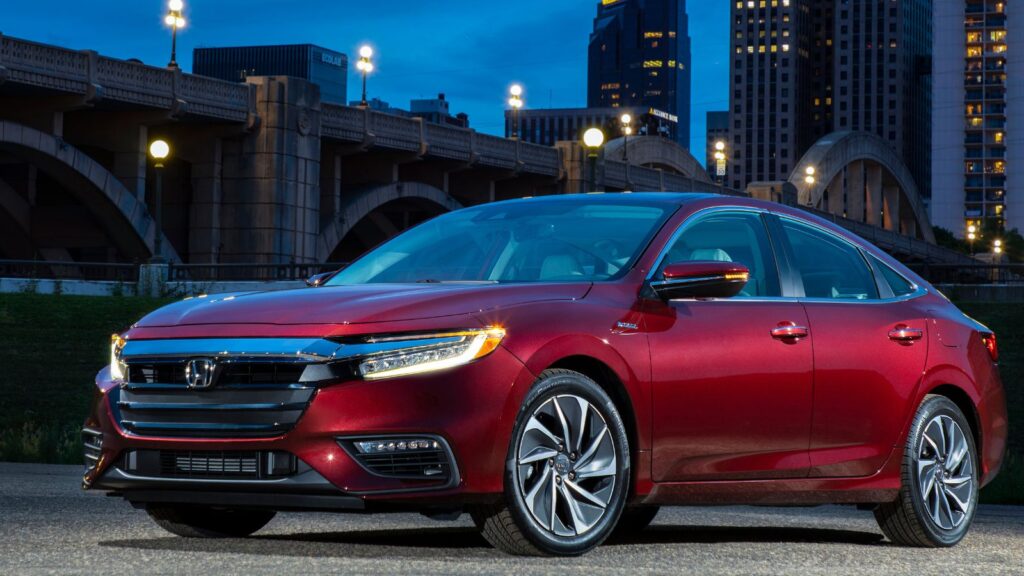
The Honda Insight was introduced to compete with the Prius in the hybrid category. Its aluminum body and frame also make it affordable to produce, hence its reasonable price tag. The great thing about its continuously variable transmission is that it’s typically considered more reliable than its competitors, contributing to its already high fuel efficiency.
Hyundai Elantra
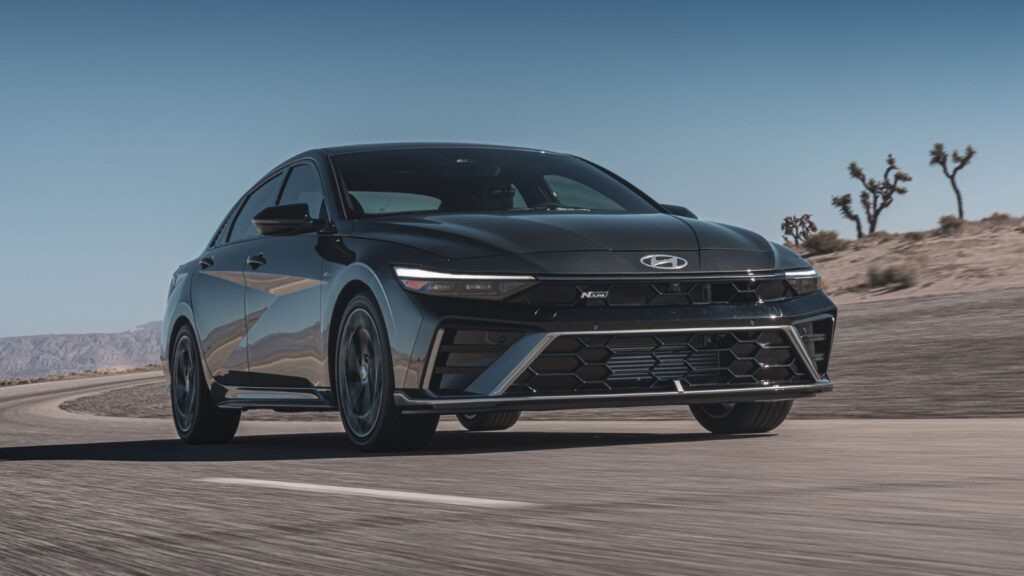
The Elantra has a rich history dating back to the 1990s. It features great styling and engine performance for its segment. It also utilizes the CVT transmission, which has improved its fuel economy and acceleration and reduced engine wear. Hyundai Elantras are typically considered solid models with significant value for money on the reliability and technology front.
Toyota Prius
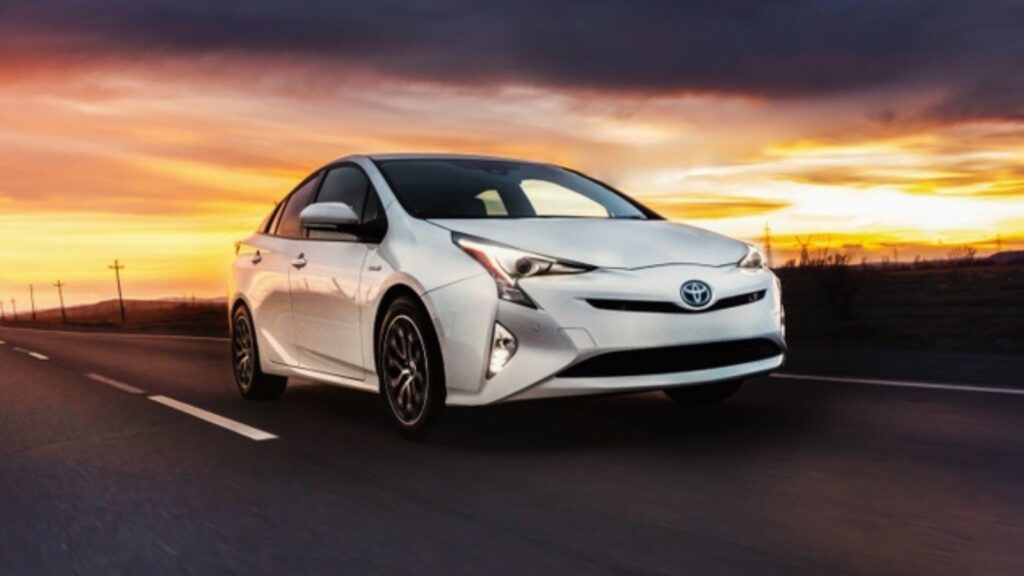
The Prius was designed to be the ultimate hybrid, providing incredible fuel economy as a prelude to the electric car segment. To help it achieve this, Toyota equipped it with a continuously variable transmission, which improved performance while maintaining fuel efficiency. The CVT in this model is reliable, receiving minimal complaints over the years. If one treats it well, the Prius is capable of going well over 300,000 miles.
Chevrolet Malibu
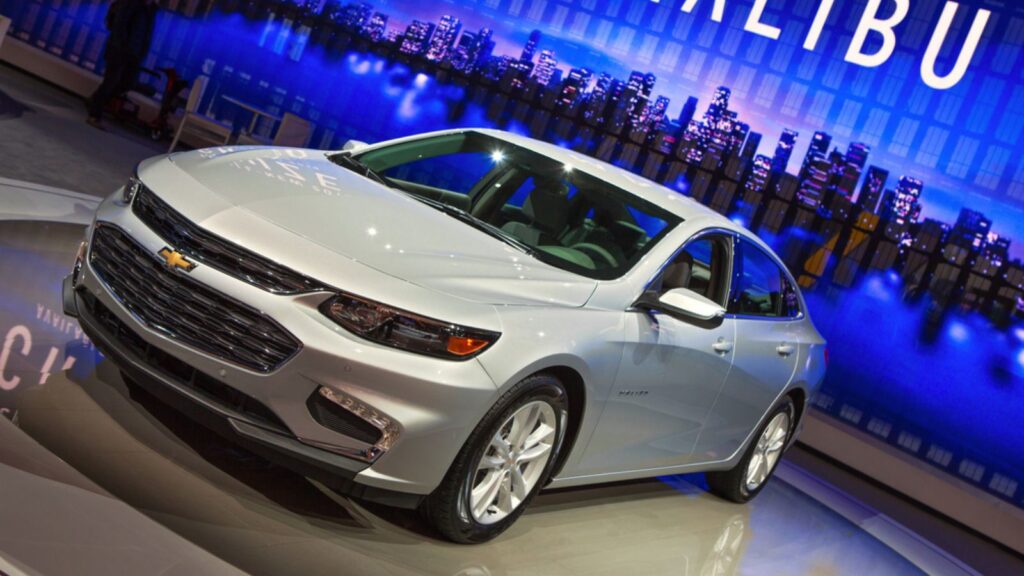
The Malibu was introduced as Chevy’s family sedan and has had a long history of success. Aside from the attractive styling, the Malibu is considered reliable, ranking number four among midsized cars in a study from J.D. Power. Some early Chevy CVTs were prone to problems, but most newer models have similar reliability to other automatics.
Toyota Camry

The Toyota Camry is known for blending performance, space, and safety in one package. The family sedan has been a go-to option for decades, providing excellent reliability with its 2.5L 4-cylinder and 3.5L V6 engines, which run endlessly. The Toyota CVT only adds to this reputation, having received minimal complaints over the years. Its CVT adds to its pleasant driving dynamics and fuel efficiency.
Mazda CX-30

The CX-30 is an attractive and surprisingly upscale crossover that emphasizes the sport in SUVs. It is also a trendsetter, considering it utilizes the new e-CVT option. This new transmission improves fuel economy through seamless transitions between gas and electric power, allowing owners to get the most out of fuel and battery power. It doesn’t hamper performance, providing a smoother, more responsive driving experience.
Why the Bad Rep?

Continuously variable transmissions get a bad reputation because they are perceived as unresponsive. This is certainly not the case, considering acceleration and vehicle top speed remain the same. Manufacturers have also taken steps to correct CVT issues in specific models over the years, as with Nissan. The technology has also improved with the introduction of e-CVT, positively affecting response and fuel economy. These cars are the best representation of current and developing CVT options.
More From Driver’s Drift

12 Things Car Salespeople Don’t Want Customers to Know When Buying a Car, According to Car Salespeople

16 Things You Should Never Say to a Salesperson at a Car Dealership

15 Used Cars To Steer Clear of at All Costs

17 Hybrids to Avoid at All Costs


Mark Muhoro is a car enthusiast and writer who loves everything about automobiles. With over 11 years of experience in the automotive industry, Mark has become an expert in how cars work and what makes them special. He writes clear and interesting articles about cars for magazines and websites, making valuable contributions to renowned platforms like Vroom Magazine, Internet Brands, and Contentmotive.


