

Selling your vehicle yourself earns you more money and keeps you from working with a dealership. The private sales process is also more complex without a team of professionals doing the work for you, so knowing what to do ahead of time makes selling your car much easier.
Here are 15 things to think about before selling your vehicle privately that will help keep you, your money, and your car safe and sound.
Service Records

A savvy seller has service records available for the buyer. Service records for repairs, big and small, should be available so the new owner knows you’ve taken good care of the vehicle, which also helps raise its value. If you don’t have the service records somewhere, you can ask the service centers that have repaired your vehicle for paper or email records.
Payoffs

If you financed your vehicle, it technically belongs to the lending bank until the loan is fully paid off. To simplify the selling process, it’s best to wait until you fully own the car before putting it up for sale.
Titles

Speaking of payoffs, when you pay off your financed vehicle, the lender should send you a title release in the mail. You’ll need to take this document to your local DMV to have the title updated, officially showing the vehicle is yours rather than the bank’s. The title is a crucial part of the vehicle sale process, so be sure to keep it secure.
Legal Test Drives

There’s a reason dealerships request a copy of your driver’s license and insurance before allowing you to take a test drive. First, they need to verify your identity in case the car is stolen. Second, allowing an unlicensed or uninsured driver behind the wheel could expose both you and the dealership to legal issues. Make sure to jot down the information or take a photo for your reference. Once the test drive is complete, be sure to delete the photo or properly dispose of any written information to protect the driver’s privacy.
Clean the Vehicle

This really should go without saying. Get your vehicle detailed before selling it. A clean car, free of wrappers, stains, or any unpleasant smells, not only enhances its value but also makes prospective buyers feel more comfortable when they step inside. A well-maintained appearance can go a long way in making a positive impression and helping you get a better price.
As Is Means As Is

The phrase “As Is” is common for used car lots. The phrase simply means that the seller offers no warranty for the vehicle outside of what the manufacturer provides. This also means that if the buyer purchases the car and decides later that something is wrong with the vehicle and asks for a discount or to return the car, you are not obligated to do anything.
Meet In A Public Place

Don’t meet at your house, at a weird hour, or in a spot that seems too secluded. You’ve probably heard horror stories of Facebook and Craigslist meetings going badly with robberies and other violent situations. Meet someplace where people can easily see you, like the parking lot for a big box store or a gas station.
Taxes

Vehicle sales are taxable, whether conducted through a dealer or a private seller. The buyer is responsible for paying the sales tax, not the seller. As the seller, be prepared to provide the buyer with a receipt or a document showing the sale price of the vehicle, as they will need it when they go to the DMV to complete the registration process.
Escrow

This is more precautionary and depends on the price of your vehicle. An escrow service holds the buyer’s money until the transaction is complete. Escrow can help you, the seller, verify that the buyer has funds. It also allows the buyer to know their money is secure. You do have to be careful here, too: there are scams involving fake escrow accounts. Research the escrow company if the buyer suggests one. Or suggest your own instead.
The DMV and Titles

Some states require the buyer and seller to go to the DMV for a title transfer. There is a solid reason for this. A buyer who doesn’t transfer the title could get into an accident or do something illegal with the vehicle, which could lead back to you, leaving you a legal web to untangle.
Get Good Photos

When selling a vehicle, you compete against other sellers unless your vehicle is unique. You’ll want good, clear, well-lit photos showing all the features. Honest photos help, too. Take pictures of dings, dents, and scratches instead of hiding them.
Delete Your Information and Throw Stuff Away

Whether you intend to or not, you could readily leave behind personal information within your vehicle’s radio and infotainment system. If you have navigation on your vehicle, delete the history before selling. Check under your seats, in the glove compartment, under the floor mats, in the console, and in the trunk to make sure you don’t leave anything behind.
Consider Having the Vehicle Inspected
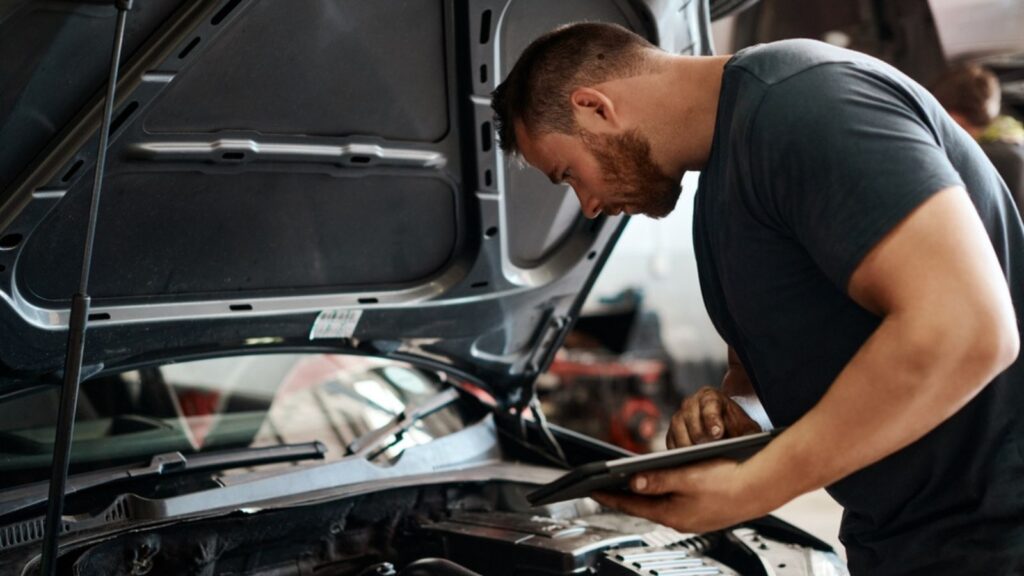
A smart buyer will want a vehicle inspection. A smart seller will do the same to have documentation. An inspection also arms you with information in case the buyer wants to negotiate or cites issues before buying the car. You’ll spend a little money, but it could be worth it.
Get the Asking Price Right

You’ll want to research vehicle prices through places like Kelley Blue Book, amongst other reputable sources for the current used car market. Pricing a vehicle too high might open you to excessive negotiations and a lack of inquiries. If you price a vehicle too low, you could leave money on the table.
Do You Really Want to Sell Now?

Even if your vehicle has been sitting unused for a while, it might not be the best time to sell. Used car prices fluctuate, and who knows, you might want to consider keeping the car around as a backup or for one of the kids when they get old enough to drive.
Scams

There are a slew of scams related to buying and selling cars. Fake buyers from “out of state” could send someone else with a phony check. Scams could involve asking for a steep discount on the vehicle after buying it sight unseen, then threatening to call authorities or sue. These are problems you might have to deal with when selling privately. If a buyer seems off or is acting strangely, it’s best to trust your instincts and either ignore them or simply decline the sale.
Paperwork, Pricing, Presentation, and Scams…
Selling a vehicle yourself and meeting a stranger can get dicey. Protect yourself with these tips. Gather all the paperwork and knowledge you need ahead of time, and be wary of people who want to work around what is an established process. The good news is that, in the end, you’ll make more cash than the dealership offers.
More From Driver’s Drift

15 Easy-to-Miss Signs of Unmarked Cop Vehicles You Should Know About

16 Must-Have Car Gadgets That All Senior Motorists Should Own

15 Things Boomers Taught Us About Cars Which are Totally Wrong Today

12 Most Reliable Hybrids You Should Consider Buying as Your Next Drive


