

We have all had our share of misconceptions from boomers, like the idea that catching a nap in the car could land you a ticket or that those big vehicles are always safe. Most of these things spread like wildfire but have nothing to do with reality. Before you pass this nonsense down to your kids, it’s time to let go of common beliefs and learn what is fact and what is fiction.
Change Your Oil Every 3000 Miles

It is usually a tactic quick-lube shops use to make money. But the truth is modern cars can easily go more than 7,500 miles without needing an oil change. The oil change interval depends on a few factors, such as the vehicle, the type of oil used, location, and driving condition.
Depending on these things, oil change intervals can range from 10,000 to 15,000 miles. Sticking to the schedule outlined in your car’s owner’s manual is better than listening to someone’s advice – if only to avoid falling prey to anyone’s tactics.
Warm Up the Engine in Cold Weather

It’s believed that idling the engine before driving will heat it, and a warmer engine performs better. It is largely unnecessary because idling the engine produces the least energy. Moreover, extended idling can actually cause the engine to wear over time.
Filling Up Gas in the Morning Gives You More Fuel

This myth is backed by the principle of liquid expansion and contraction due to temperature changes. It would have been true if the fuel tanks were not located underground. The temperature in underground tanks is stable, and the temperature change is negligible when the gasoline comes out of the nozzle. So, there is little to no effect on the gas you receive throughout the day.
Expensive Tires Are Always Better

Many affordable tires work just as great as the expensive ones. However, when purchasing tires, you should consider rubber quality, your vehicle type, driving style, weather changes in your area, and road conditions to ensure longer tire life.
Bigger Cars are Safer for Passengers

Due to their size and weight, bigger vehicles can provide better protection during accidents. But this is not the complete picture. Vehicle safety is measured with crash avoidance and mitigation test ratings, safety features, driving habits, and the vehicle’s design. For instance, the 2024 Hyundai Elantra, a four-door sedan, received the Top Safety Pick award by IIHS. Bigger cars are not the only safe option for passenger cars.
Manual Transmission Gives Better Fuel Economy

Technology advancements lead to vehicles with a higher gear ratio, which results in lower engine rev ranges and, thus, less fuel consumption. The continuously variable transmission vehicles offer an infinite range of gear ratios. In addition, automatic transmission vehicles have stop-start technology and adaptive cruise control, which makes them far more fuel-efficient than manual vehicles.
Luxury Cars Mean Better Quality

Luxury cars are usually a noob trap as you don’t often get any better quality or reliability than lower-priced vehicles. Mostly, they are only superior in terms of accessories, have plusher upholstery, and body trim. It’s better to check the reliability ratings and long-term ownership costs before getting a luxury vehicle.
All Tires Need to Be the Same Brand
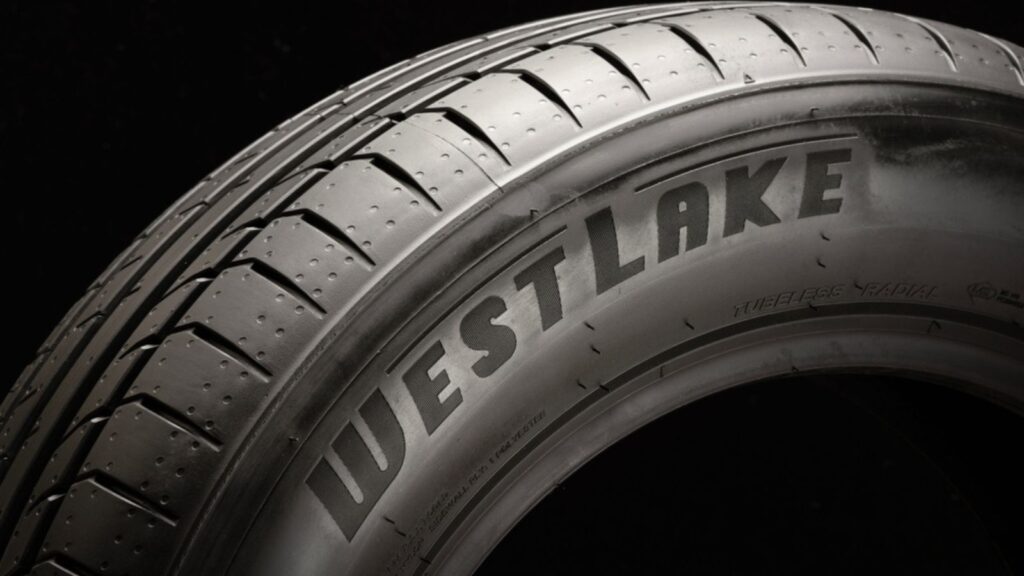
While it’s recommended to use the same brand for all tires, it’s not necessary. You can mix and choose different tires if they have similar tread patterns, wear levels, and performance characteristics. Just have closely similar tires on the same axle, and you are good to go.
Buying an Old Car with High Mileage is Not Worth It
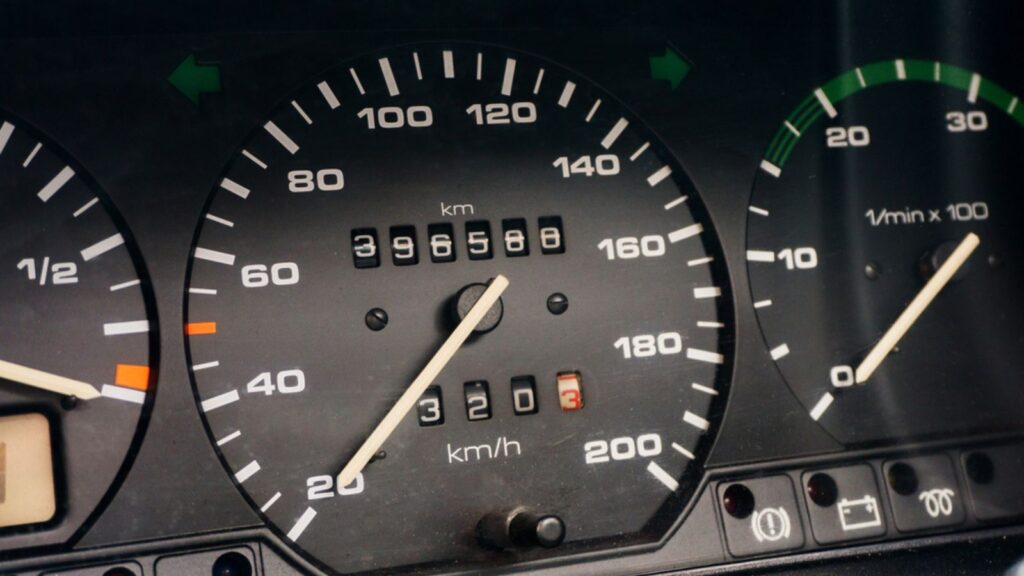
While mileage indicates how much a car has traveled, it doesn’t reveal how the previous owner drove or serviced it. That said, a vehicle with low mileage that hasn’t been serviced would have undergone more wear and tear than a high-mileage, perfectly maintained vehicle.
Nitrogen in Tires Make Them Maintenance Free

Nitrogen-filled tires can indeed maintain pressure better than air-filled ones but still require regular pressure checks. Road conditions, driving habits, temperature changes, and time can still affect tire pressure, so maintenance remains necessary.
New Cars Don’t Need Any Service

Every vehicle, whether new or old, requires servicing to keep it running smoothly and last longer. Though newer vehicles may not require frequent tune-ups, basic tasks like oil changes, tire rotations, and fluid checks will still catch minor issues before they become expensive repairs.
Convertibles Are Less Safe

Convertibles are just as safe as other passenger vehicles. In fact, in some cases, convertibles had 6% fewer police-reported crashes per mile driven than cars with solid-tops. These vehicles have two active roll-over bars inside the rear seat’s head restraints. They provide support at the back to ensure everyone has enough headspace, even if the car flips over.
Premium Fuel Gives Better Mileage

While premium fuel has a higher octane rating that prevents knocking in engines, it doesn’t offer any extra benefits for cars that run on regular fuel. To get good mileage, you only need to follow your vehicle’s owner’s manual.
Adjust the Tire Pressure to Meet the Driving Conditions

This was a common practice in older vehicles for better ride comfort. But it’s not applicable anymore as underinflated tires reduce safety and increase fuel consumption and wear. This should be done on off-road only. Other times, you must follow the manufacturer’s recommended tire pressure for safe and smooth rides.
Smaller Engines Always Mean Better Fuel Economy
Though smaller engines consume less fuel, it’s not that simple. Many factors, such as vehicle weight, aerodynamics, and driving habits, also impact fuel consumption. Moreover, today’s vehicles feature turbocharging technology and fuel management systems, making larger engines equally or more fuel-efficient.
Debunk the Myths

Nobody starts with all the information in mind; we learn and improve as we go. However, the real issues arise when we keep clinging to old-fashioned, outdated beliefs. So, it’s time to let go of all the myths passed down through generations and start our research to have safer road trips.
More From Driver’s Drift

15 Common Lies Car Salespeople Tell to Close the Deal

15 Common Tire Brands That Don’t Deliver on Quality

Heading to the Car Wash? Here are 14 Mistakes You’re Making

16 Things You Should Have in Your Glove Box (But Probably Don’t)


Zainab Noor is a motoring journalist. Childhood rides in Nissan Almera fueled her love for cars. After graduating from AIOU in 2021, she steered her passion into freelance writing. You can find Zainab on LinkedIn.


