

As electric vehicles become a more common sight on dealership lots, many buyers are struck by one thing: their price tags. Even when compared to similar gas-powered models, electric cars often cost significantly more. What’s driving these higher costs?
Here are 15 key reasons why electric cars carry a premium compared to their internal combustion engine counterparts.
Batteries Are Expensive

The battery is the heart of an electric vehicle (EV) and its most expensive component. In 2010, the cost per kilowatt-hour for an EV battery was about $1,355. Fortunately, advancements in technology have driven this cost down significantly, with current prices averaging around $150 per kilowatt-hour. However, EV drivers increasingly demand longer ranges and better performance, which keeps battery costs substantial.
There Aren’t As Many, Yet

As of 2024, there are about 3.3 million electric vehicles on American roads, compared to approximately 290 million gas-powered vehicles. Gas cars have been in production for over a century, allowing manufacturers to optimize costs through economies of scale. EVs, while growing in popularity, are still in a scaling phase, making them relatively expensive to produce.
Tax Incentives Might End

Many EVs qualify for federal tax credits, but the availability and criteria for these credits depend on the current federal administration and specific legislation, like the Inflation Reduction Act. Buyers should research their eligibility since changes in policy could affect costs.
Government Subsidies Can Have Negative Effects
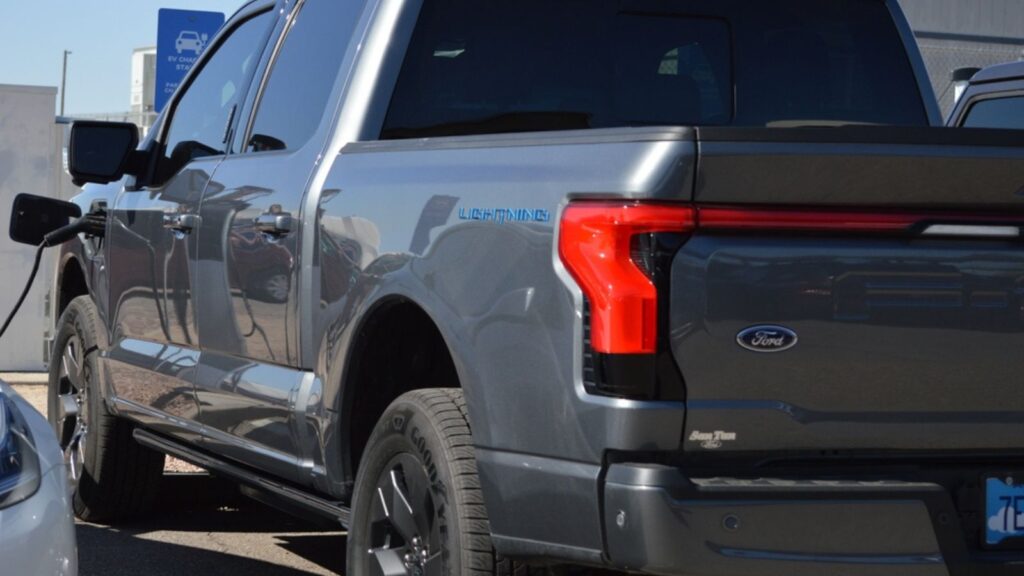
Government subsidies for EVs sometimes lead to price adjustments by automakers. For instance, a $7,500 credit introduced under the Inflation Reduction Act coincided with price hikes for some EVs, like Ford’s F-150 Lightning, which saw an increase of about $6,000. Critics argue that manufacturers might use subsidies to offset their costs rather than pass savings directly to consumers.
Production Investments

Switching to EV production has required automakers to invest billions of dollars in new tools, facilities, and retraining. Companies like Ford and General Motors have made significant investments but are now scaling back due to slower-than-expected EV sales. Until production costs are spread over more vehicles, prices will remain elevated.
Carbon Fiber

Carbon fiber is used in some EVs because it’s lighter than steel, helping to improve efficiency and range. However, carbon fiber’s manufacturing process is labor-intensive and costly, making it a premium material. Most EVs use a mix of aluminum and steel, though high-performance models often incorporate carbon fiber for weight savings.
Supply Chain

The EV supply chain is still maturing, particularly for raw materials like lithium, cobalt, and nickel used in batteries. While traditional car manufacturers have long-established supplier networks, EV makers are building new partnerships and infrastructures, which contributes to higher costs.
Regenerative Braking

Regenerative braking systems, which convert kinetic energy back into electricity to recharge the battery, require additional components compared to traditional brakes. While this technology improves efficiency, it adds to production costs.
Luxury Models

Many of the first widely available EVs, like the Tesla Roadster and the Hummer EV, were high-priced luxury models. These vehicles helped fund research and development for future, more affordable options. However, their premium features and price tags have shaped public perception of EVs as expensive.
State Taxes

Some states impose additional fees or taxes on EVs to make up for lost revenue from gas taxes, which traditionally fund road maintenance. For example, New Jersey recently ended certain tax incentives for EV buyers. These policies can increase the overall cost of owning an EV.
Charging Stations

The costs of electric vehicles go beyond the starting price or taxes. Homeowners who don’t want to wait at public stations to charge their cars might want to install a charging station at home. While some manufacturers offer discounts and incentives for installing in-home chargers, some older homes will still need to shell out some cash to upgrade their electric panels.
Cooling Systems

Electric vehicles require a more complex cooling system than gas-powered vehicles. An EV must cool down the battery, electronics, and sometimes multiple motors, so more materials and labor are needed to build the systems.
More Labor

While EV production is increasingly automated, some processes, like battery assembly, still require significant manual labor. Automakers are investing in new technologies to streamline manufacturing, which should reduce labor costs over time.
Shipping Costs and Weight

EVs are heavier than gas-powered cars due to their large batteries. Shipping costs, often calculated by weight, are therefore higher for EVs. This adds to the final price buyers pay.
Specialized Shipping

Shipping EVs requires additional precautions due to the potential risk of battery fires, even though the overall risk is low. Shipping companies invest in specialized training and equipment, which increases the cost of transporting EVs.
But Times are Changing

Auto manufacturers have optimized gas-powered car production over decades and are now adapting similar strategies for EVs. While EV prices remain high compared to traditional vehicles, advancements in technology, improved supply chains, and increased competition are gradually narrowing the price gap. Future car buyers can expect to see more affordable options as the industry continues to evolve.
More From Driver’s Drift

15 Easy-to-Miss Signs of Unmarked Cop Vehicles You Should Know About

16 Must-Have Car Gadgets That All Senior Motorists Should Own

15 Things Boomers Taught Us About Cars Which Are Totally Wrong Today

12 Most Reliable Hybrids You Should Consider Buying as Your Next Drive


