

Unless you’ve gone on vacation or moved overseas and tried driving a car recently, you might not know much about the differences between American and European vehicles. American and European cars are more different than you might think, and it all comes down to what drivers in each place really need.
In Europe, cars are built to handle narrow streets and focus on fuel efficiency, while in the U.S., bigger is often better, with roomy interiors and powerful engines made for long highway drives. It’s like comparing two lifestyles on four wheels!
Here are 14 differences between American and European cars that you might not have known about.
Fuel-Efficiency

European cars are often more fuel-efficient than the average American car, and the major reason for that is the price of fuel. European fuel costs significantly more, primarily because of taxes, which can be up to $3.25 per gallon in some countries. Total fuel prices in Europe often exceed $8 per gallon.
By comparison, the average fuel price in the United States typically hovers around $3.09 per gallon, depending on market fluctuations. This stark price difference incentivizes Europeans to prioritize fuel-efficient vehicles.
Size Differences

American vehicles tend to be larger than European cars. This difference goes beyond the towering three-row SUVs popular with many families. Even European sedans are noticeably smaller compared to their American counterparts. Why? Smaller vehicles are generally more fuel-efficient—a crucial factor in Europe, where fuel prices are significantly higher. Not to mention, European roads, many of which were designed centuries before cars existed, are often narrower and better suited for compact vehicles. This combination of practicality and efficiency shapes the design of European cars.
Manual Transmission

You won’t find many stick-shift vehicles available in the United States anymore. Even many sports cars don’t offer them. In Europe, the manual transmission is much more common. Why does Europe drive more manual vehicles? Manual vehicles are more fuel-efficient and cost less upfront.
European Cars Handle Better

There is a belief that European cars are designed to better handle curvy roads and sharp turns that are a part of their road system. American cars, on the other hand, tend to drive on straight highways.
More Horsepower in America
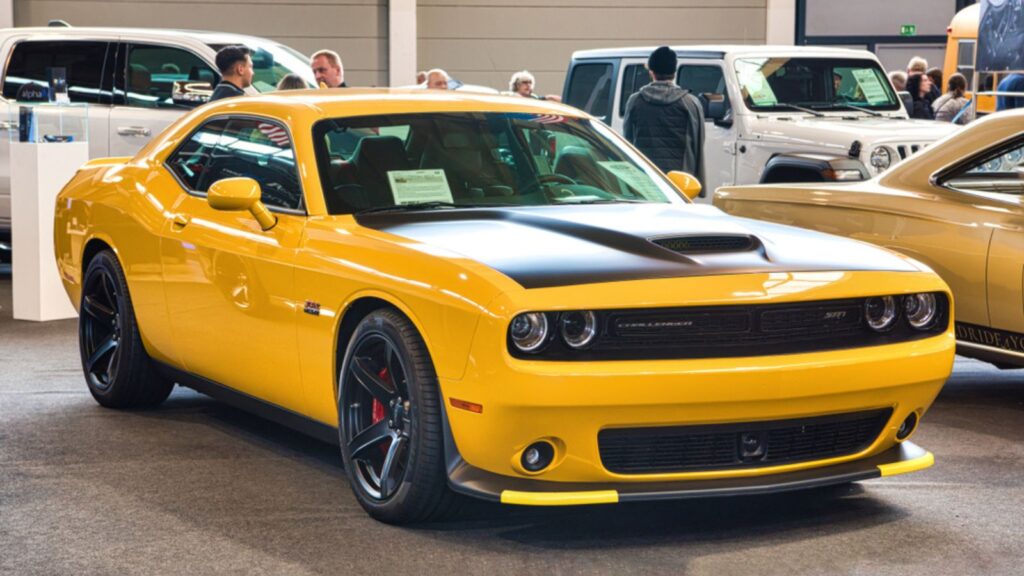
While the average American car may not match the handling finesse of a European vehicle, it often boasts more horsepower. Take Dodge, for example—an iconic brand known for producing affordable performance cars. Thanks to lower gas prices in the U.S., many Americans can indulge in the thrill of quick acceleration, making it easier to justify the fuel consumption that comes with high-powered engines.
Trucks Are More Common in America
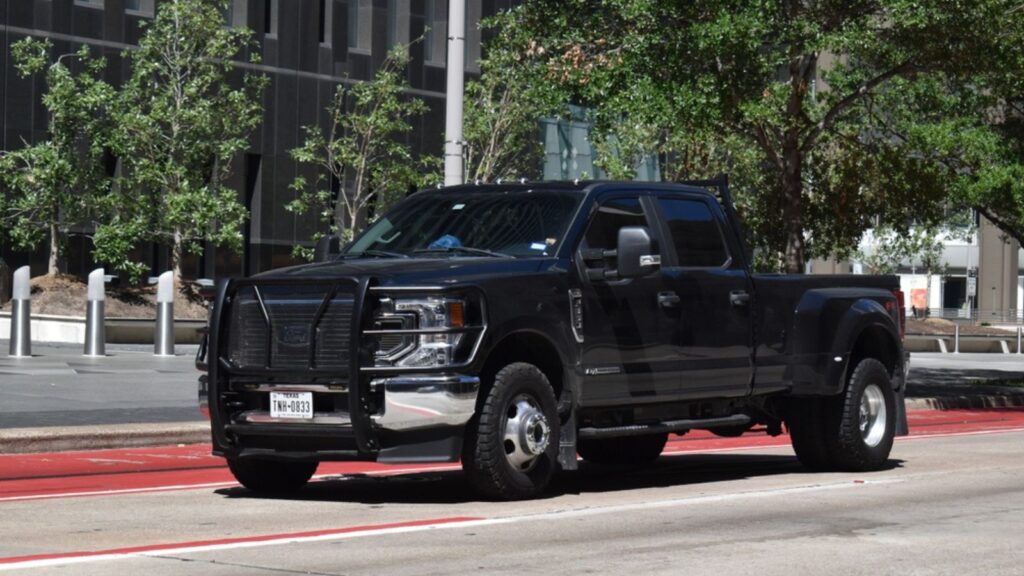
Trucks are a staple on American roads, with pickups being more popular in the United States than anywhere else in the world. In Europe, however, far fewer drivers opt for the utility and commanding presence of a pickup truck. One significant reason for this, as mentioned numerous times above, is the difference in gas prices. The larger engines typical of pickups make them far more expensive to operate in Europe, where fuel costs are substantially higher.
Europeans Use Navigation More

Americans reportedly use navigation less often than European drivers and for different reasons. European drivers use navigation for longer times, for longer drives with more complex directions, and to avoid traffic. Americans may know the long, straight routes better, requiring less navigation. The result is that more European cars have built-in navigation instead of relying on their smartphone.
Rugged Versus Sleek

American vehicles, especially trucks and SUVs, are often designed with a rugged, muscular appearance emphasizing their strength and utility—qualities that resonate with buyers seeking toughness and capability.
On the other hand, European cars have long been associated with sleek, sporty designs that prioritize aesthetics and aerodynamics. While modern American cars have adopted more aerodynamic shapes to improve fuel efficiency, the bold, imposing look of their trucks and SUVs remains a hallmark of the American automotive identity.
Taxes

Besides gas consumption and road size, smaller vehicles are also preferred in Europe because of government taxes. While the tax on a vehicle is different by country, the additional expense can be 20% or more. By comparison, the average vehicle sales tax in the United States is around 5%.
Headlight Lenses

In many American cars, the glass covering the headlights and turn signals is tinted to provide the necessary color. In contrast, European cars often use clear glass for these lights, with the bulbs themselves emitting the required colors. This difference stems from varying design preferences and regulatory standards in the two regions.
Diesel
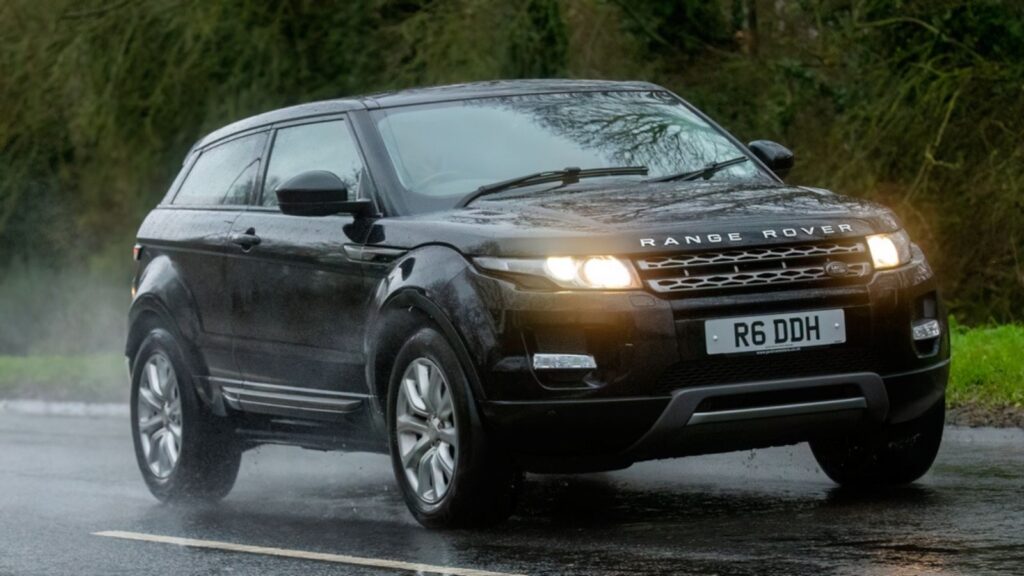
Diesel engines are more common in Europe, and the main reason comes down to better fuel efficiency. Diesel fuel tends to go further than regular gasoline, which is great for the long drives that are common across Europe. The extra torque from diesel engines is also a big plus, especially for larger vehicles like trucks and SUVs.
Electric Vehicles

Electric vehicles are more popular in Europe than in the United States, again, largely due to high fuel prices and a preference for smaller, more efficient cars. The cost of gasoline makes fuel efficiency a top priority for European drivers, and electric vehicles offer a cost-effective alternative.
Bumpers

American cars tend to have larger bumpers because they must comply with federal standards that require vehicles to withstand a 5-mile-per-hour impact without significant damage. European cars, on the other hand, often have smaller, more integrated bumpers, designed with a different set of safety and aesthetic considerations. These variations result from differing regulations and design philosophies in the U.S. and Europe.
Left-Hand Drive

About 65% of the world’s population drives on the right side of the road and has a steering wheel on the left side of the vehicle. The other 35% include parts of Europe, where travelers have to get used to having the steering wheel on the opposite side and driving on the left side of the road. There isn’t a law against Americans driving right-hand drive vehicles, but very few try.
Key Differences Between American and European Cars

American and European cars differ in various ways, from size to performance. In the U.S., larger vehicles with more power are the norm, thanks partly to lower fuel prices. Meanwhile, European drivers tend to favor smaller, more fuel-efficient cars driven by the much higher cost of gas.
These differences shape how cars are designed and driven on both sides of the Atlantic. So, the next time you watch a film or show set in Europe, you’ll be able to spot these subtle—and not-so-subtle—contrasts with ease.
More From Driver’s Drift

15 Easy-to-Miss Signs of Unmarked Cop Vehicles You Should Know About

15 Best-Looking SUVS On the Market Today

16 Reliable Vehicles That Seldom Need a Trip to the Repair Shop

15 Continuously Variable Transmissions (CVT) Cars That Are Worth Your Investment


