

Road trips can be lots of fun. Getting away from home and exploring other places builds memories.
The success of your road trip relies on your vehicle being safe and prepared. Whether taking the whole family or going solo, here are 15 things you need to do to prepare your vehicle for a road trip.
Check Your Battery

Check your vehicle battery for proper voltage before heading on a road trip. Many automotive shops and parts stores offer free battery checks and can install a new one quickly if needed.
Batteries aren’t too expensive, but replacing one on a road trip is far more inconvenient than fixing the problem before you leave.
Make An Emergency Kit

To be fair, your vehicle should always have some sort of an emergency kit. At the very least, a roadside emergency kit should include jumper cables, a first aid kit, a spare tire with a tire repair kit, and some water.
A road trip means you should add a few things, too. Bring some cash and coins to pay for tolls. A few dollar bills can help if you lose your wallet.
Tire Pressure

Check your tire pressure before you leave. To be clear, using your eyes to look at your tires doesn’t work very well. You’re better off getting an inexpensive tire pressure gauge or digital reader.
You should also know that your vehicle requires specific tire pressure. This information will be on a sticker inside the driver’s side door and in the vehicle manual. Don’t worry, though. This number doesn’t need to be exact. It could be slightly higher or lower.
The biggest reason to check your tire pressure and bring a gauge is to spot leaks. Much like battery issues, tire problems will take up a lot of your time on road trips. In addition, tires contribute significantly to the driving experience and safety of your vehicle, so they are important!
Oil Change

Check your oil a few days before taking off. At its best, oil is golden brown. If your oil is dark or dirty, consider getting it changed before you go.
Did you last get your oil changed at a service garage? If so, there should be a sticker on your windshield indicating the date and the mileage when it was changed, including when you’re due for another one.
These dates aren’t especially strict, but freshening the oil may be wise if your vehicle is already past the due date and your road trip takes several hundred or thousands of miles.
Bring Extra Oil

You won’t find oil in many emergency roadside kits, but that doesn’t mean you shouldn’t bring some. Your vehicle may burn or leak oil while traveling, and having a quart or two of oil on hand may help you in a jam. Remember, motor oil is essential for your engine. Without enough oil, you risk severe engine damage.
Don’t know what kind of oil to get? Check the vehicle manual or look up the make and model online. Having oil that is too heavy or too light can affect engine performance.
Bringing a funnel is also a great idea. Oil isn’t always easy to pour; anything that spills onto the engine will produce an unpleasant smell.
Clean Your Car

There’s a good chance you have at least something to throw away in your car or at least a stain to clean. You may not need to detail your vehicle, but we recommend throwing away any trash or items you’re storing in your car that won’t be required on a road trip. That extra space will be needed for luggage!
Air Filters
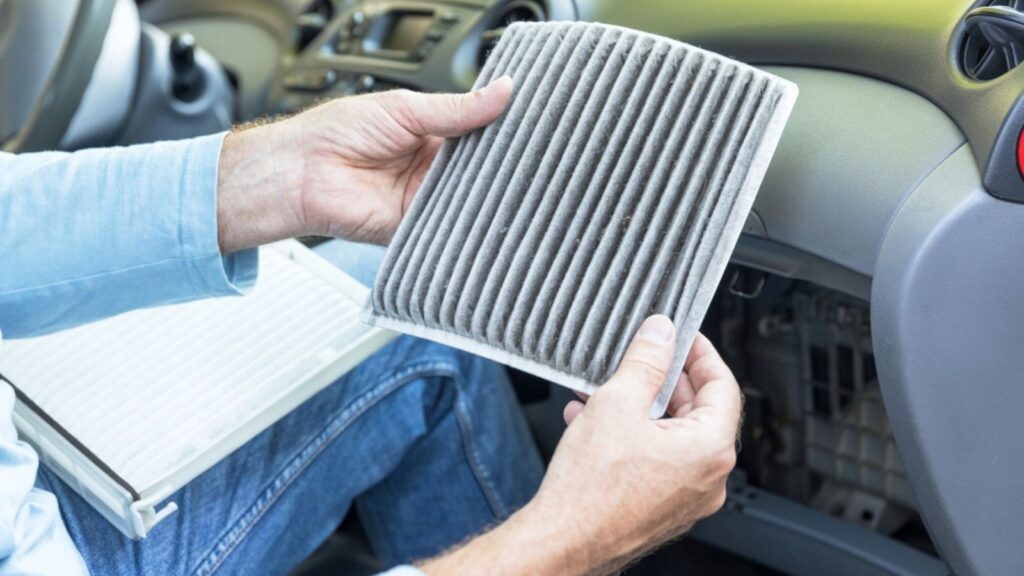
Your car has several air filters, which are essential to check. One of the air filters removes debris from the air that goes into your engine. The other helps with the air you breathe in the cabin.
Driving for several hours at a time with clogged air filters sounds gross. We suggest either looking at the air filters yourself or having a mechanic check them before you go. These should be changed every 15,000 to 30,000 miles.
Car Chargers and USB Power Packs

Many drivers already have a USB charger that plugs into an outlet in their car. We suggest bringing more than one so multiple devices can charge simultaneously. Getting a USB power bank that acts as a charger if your vehicle’s electrical has problems is also a good idea.
A USB power bank is especially crucial if you plan to drive or hike in a remote area. If you have issues while walking, you can bring the battery pack with you.
Tires
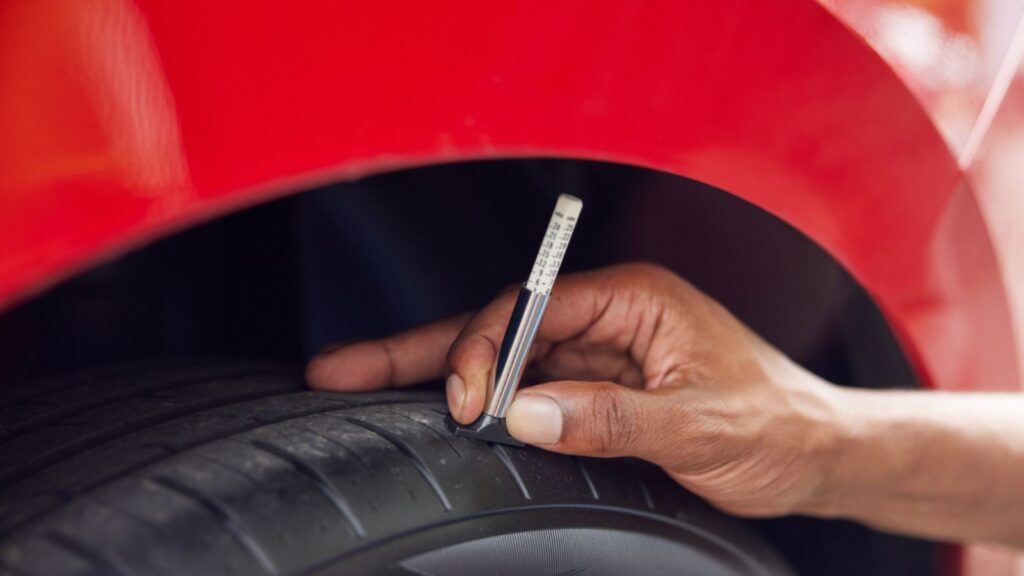
We covered tire pressure, but other tire needs are also crucial. Check the tire tread depth by using a tire tread depth gauge. The tread should be a bare minimum of 2/32, though many mechanics would suggest more, especially when embarking on a trip.
Poor tire tread depth has a major impact on vehicle safety. In addition to poor traction, tires are more likely to blow at high speeds. Minimum tire tread depth also causes longer slowing and stopping distances, especially in rain and snow.
If you notice any of these issues, or your treads seem low, get your tires replaced before you leave.
Roadside Services

Check to see how far your insurance company is willing to tow your vehicle for free if you have a problem. Many companies are limited to 20 or 30 miles.
Roadside services expand that radius and offer additional roadside services, often with a much larger radius. You’ll pay for it, but the peace of mind is worth it!
Headlights

Not every road trip involves driving at night or early in the morning, but circumstances could have you driving in poor conditions. Headlights dim over time and can develop a foggy layer, making it harder to see.
Headlights will help a lot when driving on unfamiliar roads in the dark.
Trash Bags
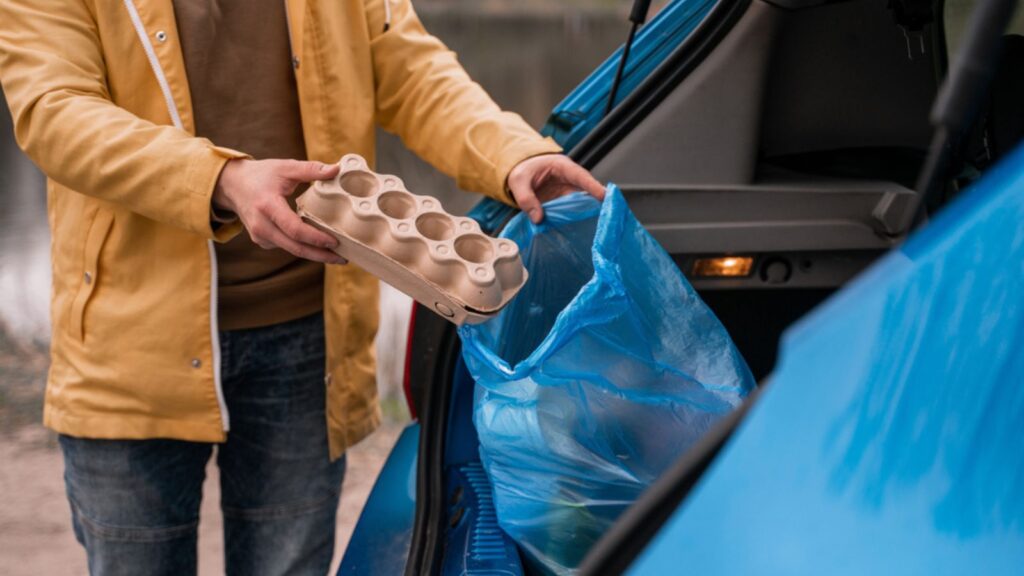
If you have kids in the back, follow this one. Bring small trash bags to keep wrappers and other junk off the floor. A road trip can be long and tiring, and the last thing parents want to do is worry about cleaning the car every day.
Instead, just put trash bags in the back. Encourage passengers to use them, too! This will help minimize the amount of vacuuming, including the number of surprise french fries you’ll find under the seats.
Check Your Spare Tire

Check the condition and air pressure on your spare tire before you go. Most vehicles have a spare tire or a donut stored in the back. If you have a problem with one of your tires, this can be immensely helpful in getting you back on the road long enough to get to a mechanic.
You’ll be disappointed if you think your spare tire will save the day only to find it’s in bad shape.
Windshield Wipers

Windshield wipers are frequently forgotten. Check or replace them before you go to avoid poor visibility in rain or snow. Many drivers find windshield wipers fairly easy to replace at home, but a mechanic can definitely help.
Brakes

Most people can’t check these themselves, but they can get their brakes checked by a mechanic. Brakes are a rather important safety device for your vehicle, and you’ll want to ensure your brake pads are in working condition.
Preparation is Key!

Road trips are a lot of fun. Taking good care of your vehicle before leaving gives you the best chance to travel smoothly. Follow this list and watch for any other issues you might notice that could slow you down. Safe travels!
More From Driver’s Drift

15 Continuously Variable Transmissions (CVT) Cars That Are Worth Your Investment

13 Cars Owners Wish They’d Never Purchased

14 Sedans That Make More Sense to Own Than Crossovers

12 Secrets Car Salespeople Would Prefer You Didn’t Know When Buying a Car


