

The price of fuel rises and falls all the time. For some drivers, this leads to anxiety for their wallet as their tank steadily goes empty.
Drivers have tried some unique ways to make their vehicles more fuel-efficient. These include dangerous driving habits and products that don’t work.
Let’s take a look at 15 things that don’t help you save money on fuel and a few that do help.
Tailgating

Race car drivers also use this tactic, often calling it drafting. Tailgating is a far more familiar word. Tailgating involves driving very closely behind a vehicle to take advantage of its wind resistance.
Tailgating does provide a small relief for your gas tank, but it is a rather dangerous method of saving pennies. This method of using less fuel is more likely to result in an accident than other much safer methods of using less power.
Coasting in Neutral Gear

This is an old method of saving fuel, especially for people who frequently drive in hilly areas. When approaching a hill, you could simply put your vehicle into neutral and let the vehicle roll down so the engine isn’t working as hard. Others go so far as turning the vehicle off.
This method isn’t effective on modern vehicles for a couple of reasons. First, most vehicles feature a way to turn off engine cylinders when the vehicle is coasting, which still saves gas. Second, turning off the vehicle is just a bad idea as crucial safety systems are also off.
Warming Up Your Car

To be fair, warming up your car has a small advantage for drivers in colder climates. Yes, your vehicle will provide heat more quickly. But turning your car on a few minutes in advance for fuel savings doesn’t work.
Waiting just a moment or two is just as effective as waiting for several minutes. The vehicle engine needs to get moving to produce the heat needed to make for the best fuel efficiency. Idling the vehicle to warm it up for a few minutes has the opposite effect and causes more fuel to burn.
Rolled Up Windows

This suggestion may have been provided by someone who didn’t want the wind in their face. Rolled-up windows have a minimal impact on fuel economy. If your air conditioner is broken or you just feel like getting a bit more fresh air, go for it and let your hair fly.
Air Conditioning Impact Gas Mileage

Air conditioning used to burn more fuel than opening your windows or just sweating. Turning off the air conditioner in your vehicle to increase gas mileage doesn’t have the same impact it used to.
Yes, more gas will be burned, but there are many other ways to keep your car cool that don’t involve turning your vehicle into a sauna.
Filling Up in the Morning

The good news is that if you’ve been planning to fill up in the morning to save on gas, you can sleep in a little while longer. Some drivers think that cool morning temperatures provide less expanded fuel, which means they get more for their money.
This isn’t true. You’ve probably seen tanker trucks attaching their giant hoses to underground tanks where the fuel is stored. Thankfully for the fuel and you, the customer, this means that the fuel is relatively temperature-controlled. You get the same amount of fuel no matter what time you show up.
Fuel Additives

A trip to an auto parts store will provide you with many options for bottles of fluid that claim to help gas mileage. This generally isn’t possible.
Fuel and engines are already well-engineered to make the most of your gas. To be fair, some of the additives could help remove carbon deposits from your engine. With that said, don’t buy these products for their fuel-saving ability.
Many of them use some weird science to make up claims about making fuel burn more effectively and slowly, but they don’t do anything.
Intake Vortexes
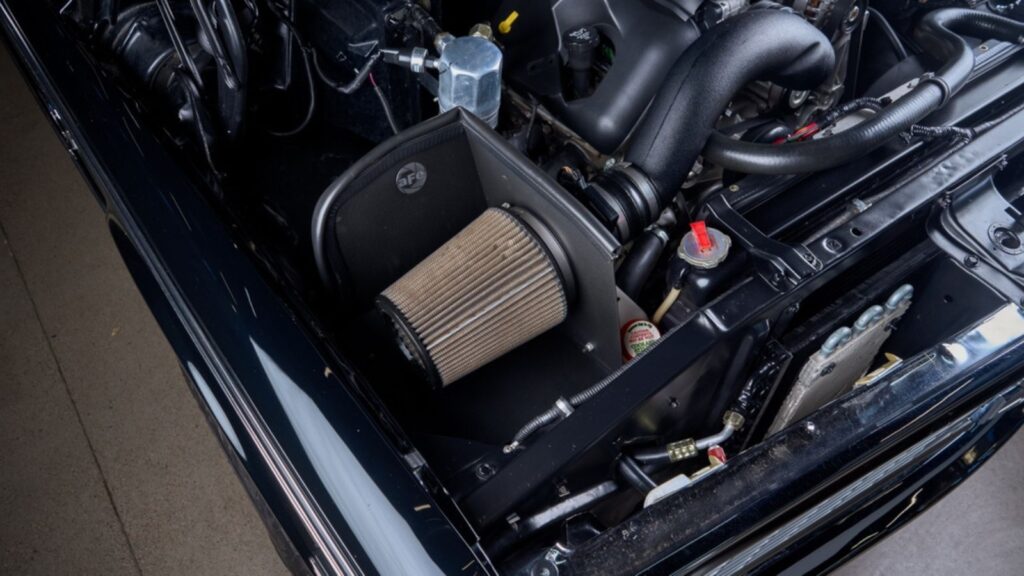
A vehicle is carefully designed to take in the right amount of air at the right time. Intake vortexes claim to alter the air intake to make the vehicle more fuel-efficient.
These claims are simply wrong in today’s vehicles. Modern cars adjust their air intake constantly to provide the proper air and fuel mixtures. They don’t need any outside help to decide. Adding more hardware to the mix will likely make the engine run worse.
Ignition Enhancers

Consider an ignition enhancer to be a special spark plug that claims to burn fuel more efficiently. The engine in your vehicle is already well-designed for this purpose.
Stay away from these. They are more likely to slow your vehicle down or cause worse overall vehicle and fuel mileage performance.
To be completely fair here, having old, worn-out spark plugs does have the potential to make your engine run worse. Ignition enhances are not the answer, though. Instead, just have them replaced with regular ones.
Fuel Line Magnets

Much like fuel additives, fuel line magnets are a scam. Their manufacturers claim the magnet will break the fuel down into its simplest form. This doesn’t really make sense and isn’t necessary.
A magnet big enough to alter the fuel in your vehicle would also mess with the electronics. So this is a definite no-no. Stay far away from anyone recommending these be added to your car.
Fuel Catalysts

Fuel catalysts work with the opposite method of a fuel line magnet. They claim that adding some metals to your gas tank will remove impurities.
This claim is incorrect because modern fuel is already relatively clean. Vehicles are also designed to run on this fuel and don’t need more metals removed or broken down. The engine will not know to adapt air intake for any changes to fuel, so it won’t matter.
Fuel Vapor Injectors

Another way to modify fuel! This kind of product leads you to believe it can turn your fuel into a fine vapor that burns slower.
So, what’s the problem? The car’s onboard computer doesn’t know what’s happening and sends too much fuel. The result can be less engine performance because the air and fuel mixture isn’t right.
In other words, the best-case scenario is that a product is purchased and doesn’t actually provide better fuel economy.
Higher Octane Fuels

Most vehicles today are built to run on 87 or 85-octane fuel. Some drivers have tried to make their vehicles more fuel efficient by pumping a higher octane fuel, like 89 or higher.
Fuel octane ratings don’t reflect fuel economy. Drivers should just follow the guidelines provided for the vehicle. Running the wrong kind of gas is more likely to lead to engine ping sounds and doesn’t improve fuel economy at all.
Gas Brands Don’t Matter

A driver visiting any number of brand gas stations might be convinced that one brand’s fuel is better than the other. Some gas stations do add detergents to their fuel, but this doesn’t increase gas mileage.
These detergents have the potential to cause very small performance increases. They are more of a marketing idea than anything else.
Manual Transmissions Get Better Gas Mileage

This used to be somewhat true! Modern transmissions are now easily capable of delivering the same fuel mileage as a stick shift vehicle.
Many new model cars have seven or more speed transmissions. The large gear selection helps keep your engine revolutions per minute low consistently, saving you gas.
The other benefit is that you don’t need to learn how to drive a manual to save a few pennies.
These Are the 15 Fuel-Saving Tips That Are Wrong

Saving fuel is more about driving gently and efficiently than adding products to your fuel tank. Don’t waste your money or time on purchasing products that claim to make your fuel mileage better.
The reality is that today’s cars are well-designed to take advantage of every drop of gasoline. The best way to help is to be light on the gas pedal!
More From Driver’s Drift

12 Things Car Salespeople Don’t Want Customers to Know When Buying a Car, According to Car Salespeople

16 Things You Should Never Say to a Salesperson at a Car Dealership

15 Used Cars To Steer Clear of at All Costs

17 Hybrids to Avoid at All Costs


