

Cars are meant to last a while, but time does make a vehicle start to feel sluggish and old.
While all cars will start to show their age, there are preventable reasons for this.
This article explores 16 reasons why your car is getting older before its time.
You Let Your Car Idle to Warm Up

Getting into a warm car on a cold morning feels nice, and it might be tempting to run your car idle for this purpose. Unfortunately, this common practice also wastes gas and causes premature engine wear.
Does your vehicle have the right coolant and oil levels? If so, it already has what is required to drive mere moments after starting the engine on a cold day. In other words, letting your vehicle sit for a few minutes or even more will only wear your car out sooner.
Also, the car will warm up faster when driving around at a cautious speed.
Your Tires Need Help

Your tires are where the rubber meets the road—literally. To perform their best, tires need the right balance of tread on each one. They must also be properly inflated to maintain traction, safety, and efficiency on the road.
If your car feels like it is shaking from side to side or otherwise feels unbalanced, your tires could be the cause. Most vehicles should have their tires rotated once per year to ensure each tire gets even wear.
We also suggest keeping a tire pressure and tire depth gauge in your vehicle. Check the pressure once in a while, especially as the seasons change. As summer turns into fall and winter, the pressure can gradually drop.
Worn Suspension

Your tires are important because they also impact your vehicle’s suspension. The suspension is a crucial part of your vehicle because it controls how well it turns and drives.
You’ll notice worn-out suspension in two ways: when you feel bumps more than you used to and when your steering doesn’t feel as tight.
So, take care of your tires so your suspension and alignment won’t wear out as fast.
Braking Too Much

In all fairness, you should use your brakes as often as necessary. However, if you find yourself jamming on the brakes in traffic, consider increasing your following distance. The same is true of stop signs and stop lights.
Braking too much and too hard won’t make your whole vehicle wear out faster, but you will wear out the brakes sooner than necessary. The end result can be more frequent and more expensive repairs with rotors, too.
Parking in the Sun

This sounds far-fetched, but in a hot climate, it’s definitely true. Some vehicle dashboards and buttons are not meant to sit in the sauna of a hot car all day.
Since you can’t always pick to park in a shadow or under a tree, the next best option is to get a sunshade. These look goofy to some, but they offer relief for the entire car interior.
You’ll also notice a big temperature difference. Many drivers will appreciate hopping into a cooler car on a hot summer day!
Spark Plugs
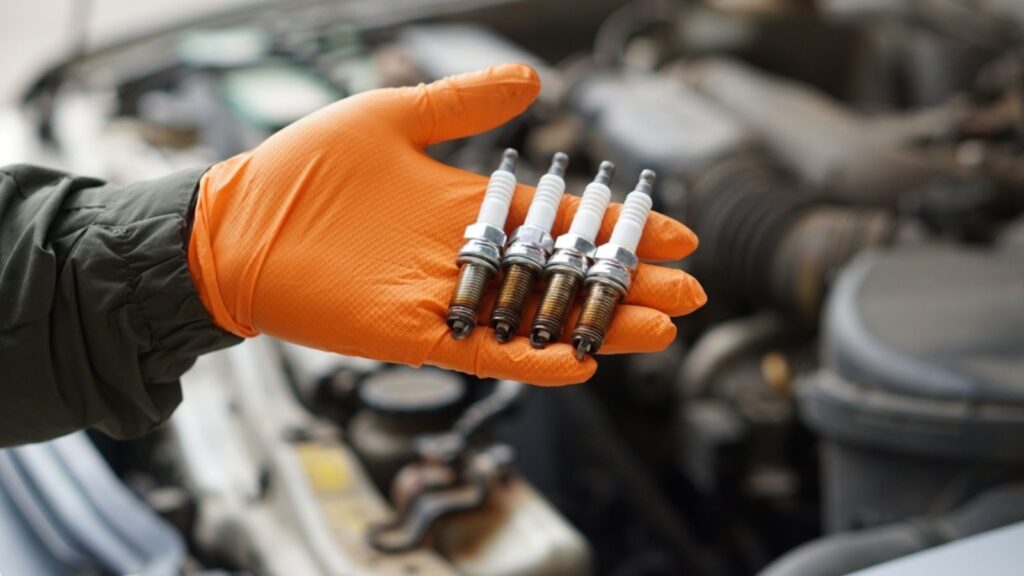
Spark plugs are one of the unsung heroes of your vehicle. They provide the ‘spark’ that fuels air and gas combustion. They do wear out and get dirty, though. You should consult your vehicle manual to see how often spark plugs should be replaced. Note that anyone with a little car experience could do it themselves, too.
Sluggish performance is a symptom of tired spark plugs. If you notice that your vehicle feels slower than it used to, the spark plugs could be the problem. A shaking or vibration from your vehicle is also a solid sign.
Air Filters

Air filters catch junk and particles in the air that could make their way into your engine. These are also the first line of defense, keeping your spark plugs from getting fouled.
A dirty air filter doesn’t let enough oxygen into the engine, which results in a poor air-to-fuel mixture. Either cleaning the air filter or having it replaced by a mechanic can improve your vehicle’s performance.
Your vehicle’s regular maintenance schedule suggests a new air filter after a number of miles. Listen to your schedule.
Oil Changes

Your car needs oil changes regularly. Most vehicles these days are lubricated by full synthetic oil. Thankfully, this oil does a great job and can often handle several thousand miles.
Continue to check your oil as your vehicle gets older. Do it even if the mileage isn’t as high as the mechanic’s windshield sticker suggests. Why? Well, sometimes oil gets dirty faster, or burns, or leaks.
Not having enough oil or having dirty oil doesn’t just make your car wear faster. A lack of oil causes expensive and sometimes catastrophic damage to engine parts.
Driving With Low Fuel

Modern vehicles use fuel injectors, which deliver the precise amount of fuel as directed by the engine’s computer. This system greatly improves efficiency compared to the carburetors used in older cars, optimizing fuel delivery for better performance and lower emissions.
The fuel in your tank doesn’t just power your vehicle; it also helps keep your fuel injectors cool. Keeping your fuel tank at least a quarter full, or at least not letting your tank run all the way down too often, helps the injectors last longer. Also, a low-fuel tank increases the chances of getting your injectors clogged.
Be nice to your car and fill up before the low-fuel light comes on!
Appropriate Number of Car Washes

If you live in a climate where salt is tossed on the roads, you’ll want to wash the car’s underside regularly. This keeps salt from accumulating on the vehicle frame and causing rust.
On the other hand, your vehicle shouldn’t be subjected to “Soft Touch” too often, either. Even gentle brushes can wear down the paint, especially on vehicles with thinner coatings. Our suggestion is to choose a touch-free option that uses water jets instead.
However, you’ll want to use regular car washes to remove sap and bird droppings, which can also cause paint problems.
Too Much Stuff

Carrying too much weight is also bad for your vehicle. We aren’t talking about having a backseat full of passengers—we’re talking about carrying heavy items in the trunk often.
Excess weight puts more frequent pressure on the tires and suspension. This can cause premature wear in both. Of course, this doesn’t mean you shouldn’t haul bags of mulch or concrete in your car once in a while. Just don’t drive around with them constantly.
Don’t Modify Your Car Too Much

People modify their vehicles in many ways. Tuning the engine may provide more performance, but it also means wearing out engine components faster.
The same principle applies to adding a suspension kit or leaving it on any car: parts will wear out faster. While lifts can be useful in certain situations, they put extra strain on suspension components, leading to quicker wear and tear.
In short, if you plan to modify a vehicle, be prepared for extra maintenance and a lower resale value.
Avoid Potholes

We know that it isn’t always possible to avoid potholes or rough parts of the road. The suggestion here is to attempt to steer around them if it is safe to do so. Another option is to take another road if the situation allows for it.
Clean Your Interior

A dirty vehicle can definitely feel old quickly. If your vehicle has more than a few food wrappers and coffee cups stashed on the floor and underneath the seats, it’ll carry an odd odor after a while. We suggest throwing away trash at least once per month.
The ideal time to throw away junk from your car is while pumping gas. Gas stations know you have a few minutes to spare while fueling up and often have strategically placed trash cans for your convenience.
Another reason to properly clean the inside of your car is resale value. Stains and odors will make it harder to clean in the long run, and people know when a car is dirty.
Check Your Fluids

Any mechanic doing an oil change to your car should provide a report of your fluid levels. They should also top up anything that’s low.
As your vehicle ages, you should check them more often, too. Every container within your car has either a dipstick or a marking on the outside showing the minimum and maximum fill levels. If your vehicle is low on any fluids, top them up. Not having enough coolant or power steering fluid can be harmful in the long run.
Batteries

The battery is still quite important for a gas-powered vehicle. You might notice signs of problems when the car becomes more difficult to start. Another symptom of an aging battery is dimming lights.
Batteries can be put on a trickle charger to ensure proper charge levels. If you frequently have battery problems, it might be time to replace the battery and have a mechanic check the alternator. The alternator is an important part of the electrical system as it recharges the battery as you drive.
Is Your Car Is Getting Old Before Its Time?

Cars aren’t cheap, so it’s worth doing everything you can to ensure yours lasts as long as possible. If your car starts feeling or sounding different, don’t wait—take it to a mechanic before a small issue turns into a big (and expensive) problem. And if you’re pushing your car too hard, making a few adjustments in how you drive can make a big difference. A little extra care now can save you a lot of money and headaches down the road, helping your car go the distance.
More From Driver’s Drift

12 Things Car Salespeople Don’t Want Customers to Know When Buying a Car, According to Car Salespeople

16 Things You Should Never Say to a Salesperson at a Car Dealership

15 Used Cars To Steer Clear of at All Costs

17 Hybrids to Avoid at All Costs


