

Classic cars have a certain beauty and nostalgia. Many are owned and driven by people who enjoy old-school style and power.
However, despite being well-loved by enthusiasts, classic cars also have many drawbacks that a car buyer should consider before purchasing. We’ll review how classic cars are different from modern vehicles.
No Airbags

Airbags were not required on vehicles until the late 1960s; so don’t expect every classic car to have them.
It’s important to do your research. Airbags have saved countless lives. Hopefully, you’ll never need to use them, but it’s always good to have them available in case you get into an accident.
Some classic car buyers think it is possible to add airbags. Unfortunately, older cars have different engineering, which makes installing airbags more difficult.
Anti-Lock Brakes
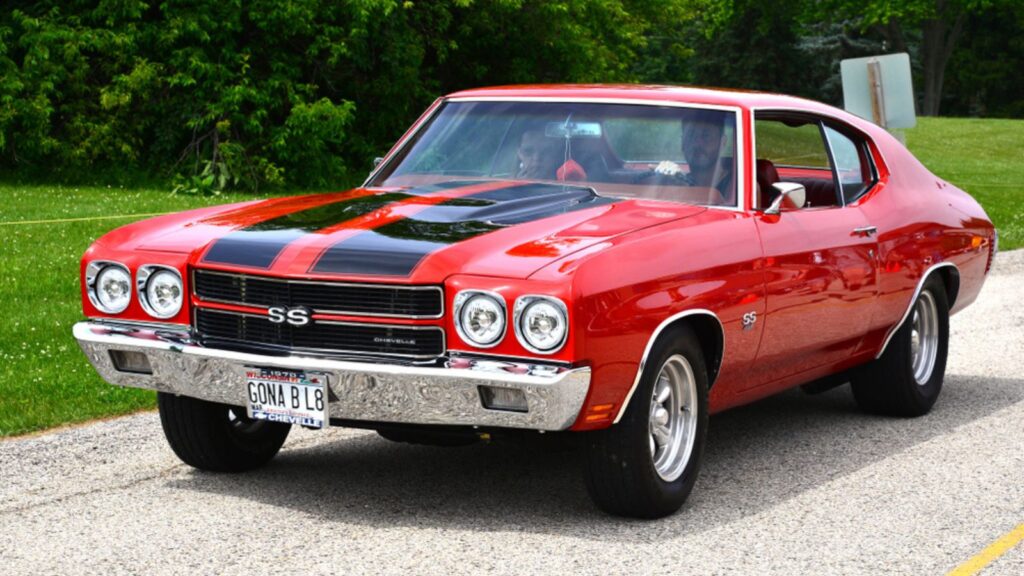
If you’ve ever had trouble stopping and felt your brakes pulsate, you quickly develop an appreciation for anti-lock brakes. Anyone in the market for a classic car should remember that ABS wasn’t required on vehicles until 2011.
Carefully research the classic car you want. If you don’t plan to drive the car much in the winter or rain, anti-lock brakes might not matter a whole lot. Still, it’s better to have the peace of mind of knowing they are available.
Parts

We’re getting off the subject of safety for a little bit. In many cases, the parts needed to repair a classic car aren’t made new anymore. Classic car enthusiasts often rely on third-party manufacturers to produce parts. This process can make some parts harder to find and cost more.
Technology

To be completely fair here, some drivers truly appreciate classic cars because they don’t have technology. Still, many would appreciate the ability to connect a smartphone or pick their own song on the radio.
Classic cars do have some technology in their own right, with gadgets that are made to last a long time. Unfortunately, even the most modern gadgets in a classic car are well past their time.
The Environment

Most classic cars will not have a catalytic converter or fuel injector. The catalytic converter helps reduce emissions while the fuel injector regulates fuel use.
Modern vehicles have these parts to help reduce emissions, which classic cars are sadly known for.
We also realize that some classic car drivers actually like the smell of additional emissions.
Car Seats

You might have heard your parents or grandparents talk about their old cars, which are now classics. Back then, children were often placed in the back seat with little more than a seatbelt or sometimes just a bucket seat to sit on. They didn’t have modern, safe car seats.
Older cars won’t have the LATCH system. This system puts bars in the rear of the backseat so that car seats have a place to anchor. Some first-time parents have a hard time with the LATCH system, but it is very effective at keeping a car seat safe.
That said, if you plan to buy a classic car and do not intend to bring kids with you, this might not be a problem.
Breakdowns

Older parts and older cars generally mean more breakdowns. Older cars tend to have high-quality parts, but that doesn’t mean they will last forever. Classic car owners typically have another car to drive on a more regular basis. They bring the classic out for short trips and weekend drives.
Breakdowns also complicate the issue of parts. A classic car that breaks down on the road might be kept in the shop for a while simply because parts are unavailable.
Crash Tests

The government institutions that crash-test vehicles and offer ratings weren’t around for classic cars. As a result, some classic cars have questionable safety compared to more modern vehicles.
The thought that classics are death traps might be a bit far-fetched. However, they seriously lack basic safety equipment and crumple zones that can help in an accident.
In other words, if you are looking for a safe car, you should steer clear of a classic. Even a larger vehicle with chrome bumpers doesn’t compare to a modern vehicle.
Gas Mileage

Most classic cars don’t have a fuel injector. They often use a carburetor to mix fuel and air. While this method is effective, it’s also rather outdated and leads to poor fuel economy. Let’s add that most older cars are made of steel, which weighs more.
Drivers of classic cars might not mind so much if they are just weekend drivers. Longer trips during peak driving and fuel price season might be tougher.
Crash Avoidance

While modern safety technology isn’t perfect, it’s still there. Classic cars have no way of knowing if something has jumped into your path. Nor do they know if a car is in your blind spot.
These technologies weren’t used in cars until fairly recently. Classic car drivers need to be more mindful of these things. Of course, modern car drivers also need to use both technology and their own senses.
Steering

Modern cars have electric power steering, which helps you take turns smoothly with less effort. Classic cars use far fewer sensors and require a bit more muscle and attention when taking a turn.
Thankfully, it’s possible for you to install power steering on a classic car. It’ll just cost you time and some money.
Noise

Some people love the sound of classic engines revving up and rumbling. Your neighbor might not, though. Be mindful of when you start and leave, especially if it’s during a time when most people are sleeping.
On the plus side, people will definitely be able to hear you approaching.
Maintenance

An older vehicle needs more maintenance, especially if it’s driven daily. This could be a good thing or a bad thing. Classic car owners might enjoy spending a few hours per month in the garage. On the other hand, maintenance also costs money and means less time driving.
To each their own. Either way, you’ll soon know the folks at the auto parts and hardware store well.
They Aren’t Always A Good Investment

Some classic car owners think their vehicles will go up in value. This could very well be the case; however, it’s important to remember that there is no such thing as a guaranteed investment with no downside. Asset classes are cyclical, no matter what they are, and let’s face it—if something were guaranteed to always go up in price and make money, everyone would be investing in it. How many people do you know who invest in classic cars?
Storage
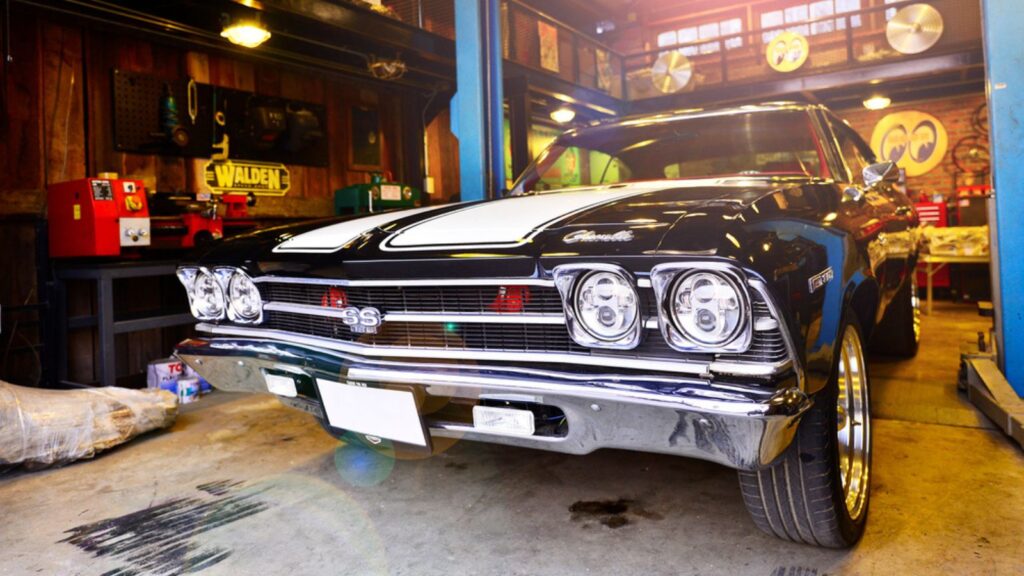
Classic cars aren’t often stored outside. This is partly because older parts have a harder time starting in the cold. In addition, the paint needs to be protected from the elements.
You’ll want a decent-sized garage or another storage facility to keep your classic in if you want its appearance and parts to last longer.
These Are 15 Reasons To Think Twice Before Buying A Classic Car

Classic car buyers love their vehicles for their history and performance. There isn’t anything quite like a relaxing weekend drive in an older vehicle. While classic cars have these values, our list can help you understand some of the issues you might face with ownership.
More From Driver’s Drift

12 Things Car Salespeople Don’t Want Customers to Know When Buying a Car, According to Car Salespeople

16 Things You Should Never Say to a Salesperson at a Car Dealership

15 Used Cars To Steer Clear of at All Costs

17 Hybrids to Avoid at All Costs


