

There are many electric vehicles on the road today, and drivers like you often buy them thinking they require less maintenance and less money to keep on the road for a long time. Unfortunately for electric vehicle owners, the worry about a big repair bill is certainly still here – but might just come in a different form.
Keep reading to learn which electric car repairs will cost you more than you expect.
Electric Motor

The electric motor in your EV is a complicated machine that could require replacement or repair. While the cost of a motor replacement on a gas-powered vehicle can run an average of $3,500 or more, the average replacement cost for an electric vehicle soars to around $8,000.
Battery Pack
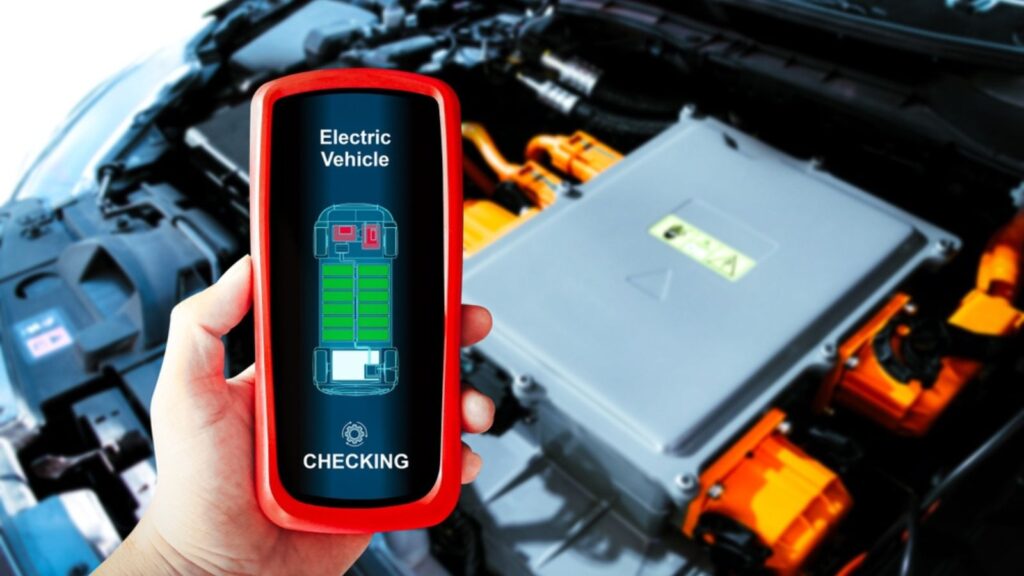
The battery pack is much like the engine in a gas-powered car and is by far the most expensive repair you could need. The price to replace a battery pack could range from $4,000 to $20,000 depending on the battery pack and model, leading to sticker shock in many electric vehicle owners.
Why so much? Battery packs can’t always be repaired, like many gas engines can. And if they are repairable, you’ll often pay a lot more for an experienced technician to work out the issues.
Regenerative Brake Failure

Regenerative braking is a great feature in electric cars that helps conserve electricity. It also requires less frequent use of your brake pads. The concept is a bit more complicated than the braking system used to slow down gas-powered vehicles and requires specialized training and equipment. Therefore, it could cost drivers more when there is an overall failure.
Tires

The big battery pack that powers an electric vehicle isn’t light and can weigh between 1,000 and 2,000 pounds. You’ll find that the additional weight from the battery pack puts additional stress on the most important safety feature in your vehicle – the tires. The tires for an electric vehicle can wear out more quickly, especially if you frequently take advantage of all the torque they offer.
An electric vehicle also often requires a unique tire that handles the extra weight, which has the potential to raise the price you pay for a set of four tires. Some estimates suggest that the price could be 20% to 30% more.
Alignment

Electric vehicles still need an expert to make sure that your EVs wheels are turning correctly. An electric car could face higher alignment costs, in part because performing the alignment correctly is a bit specialized, and in the case of Tesla, reportedly takes longer.
Suspension

The suspension on your electric vehicle can be more complex and have more parts than a similar gas-powered vehicle. This is in part due to the need to hold more weight. As a result, you can expect to pay more if your electric vehicle develops issues steering or going over bumps.
Tire Rotations

Given the need to potentially replace tires more often due to faster tread wear, an EV will also likely require more frequent tire rotations than a gas-powered vehicle. While tire rotations aren’t too expensive, the need to rotate more often leads to higher lifetime costs for the vehicle.
Charging Port Repairs

You’ll quickly become familiar with the charging port as an electric vehicle owner, as you didn’t have one on your gas powered vehicle. The charging port is the crucial hardware that connects the charging station to your battery. The cost can vary significantly and represents a unique expense to owning an electric vehicle.
Body Repairs

An electric vehicle body repair can get expensive quickly, but not always for the reason you might think. First, EVs more commonly use aluminum, which needs specialized tools and facilities to fix. Secondly, as mentioned earlier, the price to replace a battery pack is rather high, and some insurance companies will choose to write your vehicle off instead of paying for a battery replacement.
Parts Costs

One major reason why electric vehicle repairs can cost more is because there isn’t yet a consistent third-party parts source. Manufacturers currently provide around 90% of the parts needed to keep electric vehicles moving, so the parts needed to make a repair cost more, simply because there aren’t yet companies making cheaper parts.
Insurance

Because electric vehicles tend to have a higher cost to repair after an accident, your insurance will likely cost more than a comparable gas-powered vehicle. You should definitely check the cost of insuring your electric vehicle so you don’t get surprised later.
Coolant Flush

With a battery and powertrain that produce plenty of heat, an electric vehicle still needs coolant to keep those circuits cool. Most manufacturers recommend replacing the coolant every five years or earlier, which is on par with a gas-powered vehicle but also an expense that some EV owners may not have thought about.
Electronics
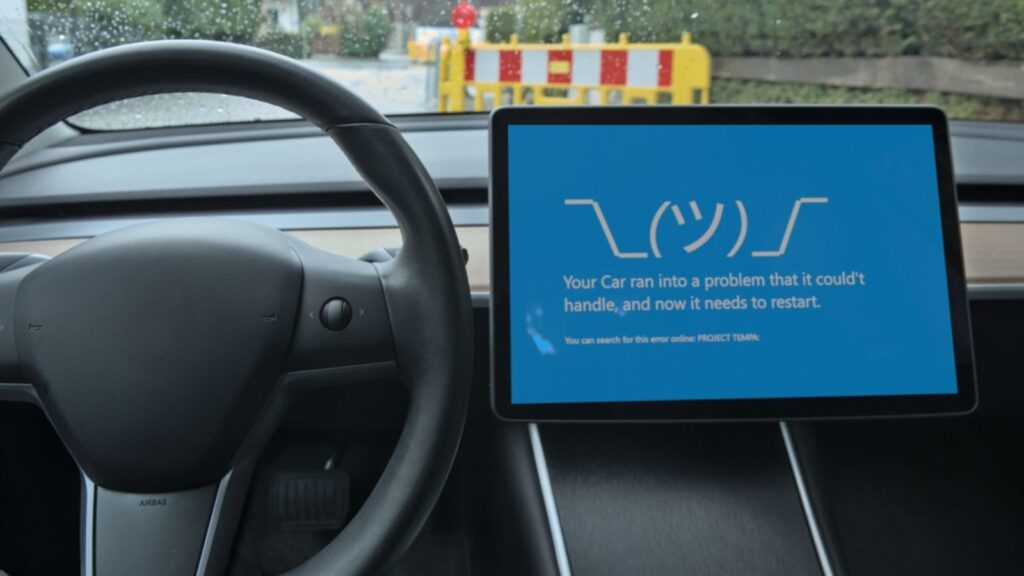
It goes without saying that an electric vehicle has more parts that are needed to deliver electricity to the powertrain and infotainment systems. The price for electronics is not cheap, and the components are high-tech. This can lead to unexpectedly high repair costs when any part of the electrical system has issues, ranging from the windows to the touch screen.
General Labor Costs
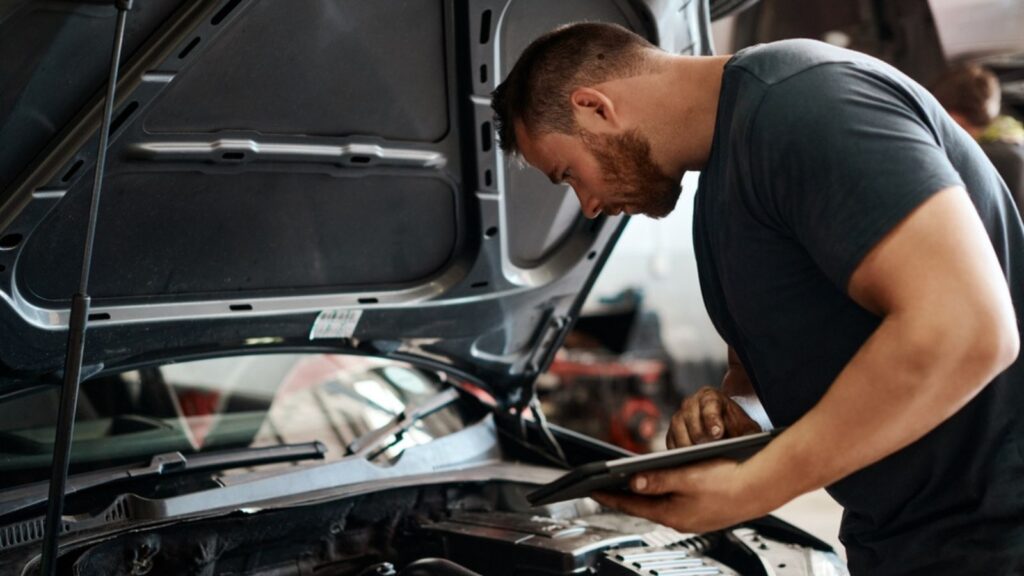
A new EV owner may discover that some of the work required on the vehicle is specialized. Specialized help requires more training and more knowledge from a technician to do the job safely and correctly. As a result, the price per hour to fix your car tends to be higher for an electric vehicle. Estimates indicate that the cost of labor represents about 40% of a gas-powered repair bill, while it runs nearly 50% of the average EV repair bill.
Gearbox Oil Change

Electric vehicles still need the oil changed on their gearbox, though not as often as required by a gas–powered vehicle. Still, the cost of labor and shop supplies might run you $100 or more depending on where you take it. Some owners may be surprised by the need to change the unique EV oil simply because dealers and manufacturers often suggest electric vehicles don’t need oil changes.
Electric Vehicles Are Still Cheaper in the Long Run

While some electric vehicle repairs and maintenance needs are more expensive than expected to EV owners, following the service schedule and driving gently can help reduce your overall costs on wearable parts like tires and brakes. The cost of labor to repair and maintain an electric vehicle should also gradually reduce. Still, electric vehicles have their positives and negatives, like skipping the pump and getting plenty of acceleration.
More From Driver’s Drift

12 Things Car Salespeople Don’t Want Customers to Know When Buying a Car, According to Car Salespeople

16 Things You Should Never Say to a Salesperson at a Car Dealership

15 Used Cars To Steer Clear of at All Costs

17 Hybrids to Avoid at All Costs


