

Driving has always been dangerous. We’re just not meant to go that fast.
Thankfully, vehicle safety has changed significantly over the last few decades. While many technological advancements keep us safe, modern cars still require drivers to take many risks.
Here are 16 car features that make driving far more dangerous than it should be.
Navigation Systems

GPS systems make finding places without using printed maps easy. Unfortunately, navigation systems are also notorious for being difficult to use. Typing or entering an address into a screen can be frustrating and time-consuming.
Pull over when adjusting the navigation system. It makes entering numbers and letters faster and safer.
Lane Assist

Lane assist technology warns you when your vehicle drifts from the road’s lane markings. Some systems gently steer your car back into its lane and apply slight braking to maintain lane position. However, as lane assist systems primarily rely on cameras to detect road markings, they can misinterpret faded or worn lines, resulting in warnings or steering adjustments when unnecessary.
For many drivers, lane assist is a helpful feature that provides support during moments of inattention. The concern arises when the system incorrectly takes over, making unwanted steering adjustments. Drivers must remain attentive and engaged, as lane assist is a supplementary aid rather than a replacement for active driving.
Automatic Braking

Automatic braking is helpful if a vehicle suddenly slows down or stops in front of you. Or worse, if a person, especially a child, were to run out in the street.
So, what’s the problem? Automatic braking can also respond to false alarms, suddenly slamming on the brakes. This is not only a problem if cars are behind you, but it can also injure the driver.
Radio and Infotainment Systems

Infotainment systems do a great job of providing in-car entertainment with features like streaming music from your phone.
Unfortunately, any changes you make while driving can be dangerous. Modern vehicles make radio and volume tuning easier by putting them directly on the steering wheel.
Touchscreens
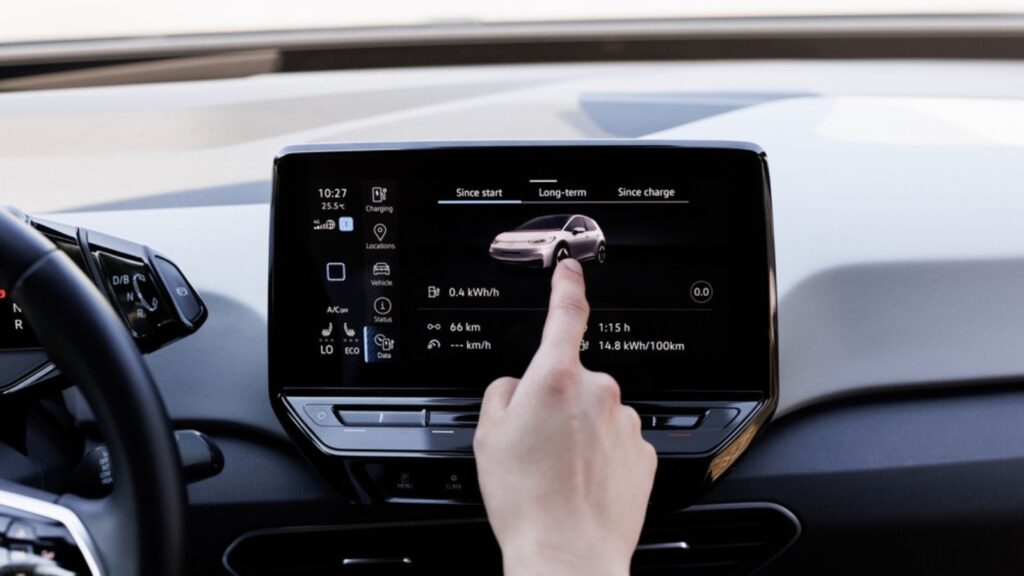
Some new vehicles have a large touchscreen that provides access to vehicle settings. However, many car makers bury crucial settings within touchscreens, making drivers fiddle around for everyday features.
Want to turn down the air conditioning? This might be a three-button process, which will be challenging while driving.
This trend is slowly starting to end, though. Drivers are getting tired of touchscreens and are demanding the return of actual buttons.
Blind Spot Detection

Too many drivers rely on the beep or mirror glow that blind spot detection provides. Checking the blind spot only requires drivers to slow down and turn their heads. If blind spot detection stops working, drivers are at greater risk of changing lines at the wrong time.
The result? Accidents happen when people rely on technology too much.
Powerful Engines

This isn’t exactly a safety feature, but a powerful engine with an inexperienced driver behind the wheel can lead to disaster. The Ford Mustang is a prime example. This powerful rear-wheel drive vehicle is known for getting dangerously out of control and causing injuries.
Speed is certainly not a new feature in cars. Not understanding how to handle a vehicle’s power is a different story.
Heads Up Display

A heads-up display is an expensive feature that shows vital information like speed right on the windshield. It often comes with higher-end tech packages.
The National Highway Traffic Safety Administration has mixed feelings about this software. Most drivers do not need to consistently monitor their speed, which makes the heads-up display a tool that could also create a distraction. The NHTSA says that drivers may focus on it too much and not see more important events happening right in front of them.
Lifted Vehicles

Some drivers think lifted vehicles look cool. A lift also makes it easier to go off-road and tow other vehicles.
However, a lift also raises the center of gravity, increasing the chances of a rollover. A truck, SUV, or even a car struck from the side is more likely to roll over than a vehicle with average height.
Bright Headlights
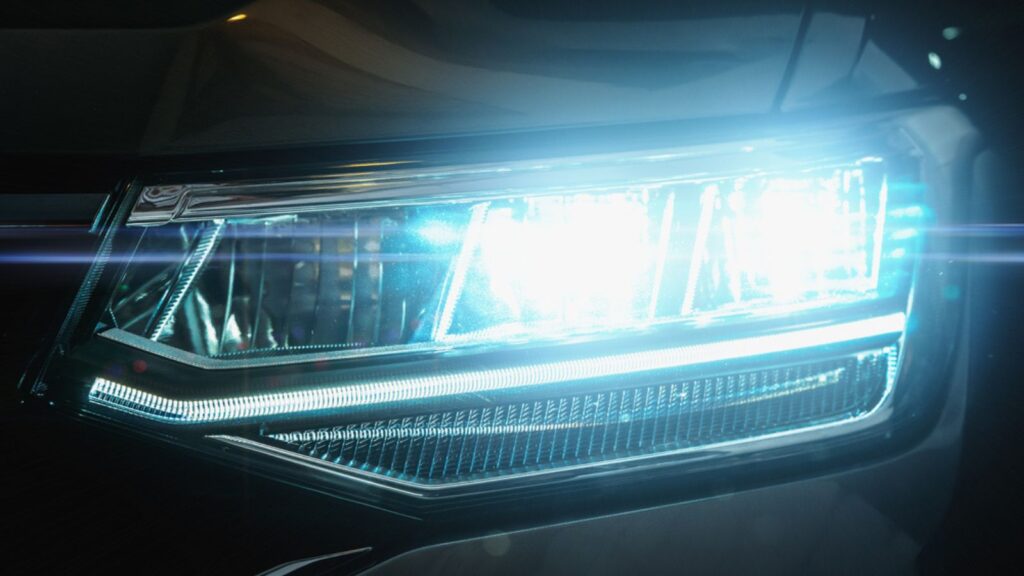
Over the years, car makers have added brighter headlights to their vehicles, which help drivers see better at night.
Bright headlights can also distract other drivers, including oncoming traffic. No one likes a bright light shining in their eyes.
Smart headlights will soon be available in the United States. These headlights detect other cars and where the driver’s eyes might be and can then adjust their location.
Rear Seat Entertainment

Many vehicles have rear seat entertainment that hangs from the ceiling in the middle of the vehicle. This is a convenient place for backseat passengers to watch videos, etc.
Unfortunately, their placement causes problems for the driver. Some vehicles have over half their rearview mirror covered by a hanging screen, making it difficult to see their surroundings.
Cruise Control

Cruise control has advanced greatly over the past couple of decades. Today, some vehicles have automatic cruise control, which allows the driver to choose the distance and speed and let the vehicle handle braking.
However, most vehicles have a simple setting that only allows the driver to initiate cruise control and set the speed. Either way, this feature should only be used on familiar roads. Distracted driving can cause drivers to not react quickly enough in new situations and cause an accident.
This is especially true in bad weather. We don’t suggest using cruise control in rain or snow.
Dark Colors

This one may be a little unexpected, but it makes sense. According to a Monash University study, dark cars are more likely to be involved in accidents.
The reason is simple: dark vehicles driven at night or early morning are more challenging to see. Light-colored and white cars had the lowest risk of accidents.
Tinted Windows

Tinted windows have benefits. On a sunny day, a vehicle with tinted windows will be cooler inside, and they also provide more privacy.
A dark tint makes it more difficult to see objects and people in low contrast. This includes when you stop at a stop sign and give a fellow driver a friendly wave to go through. They can’t see you that well.
Bigger Cars

SUVs are more common on the roads than cars and are also getting bigger. While this doesn’t impact the safety of the driver of a large vehicle, it can hurt smaller cars in an accident.
A bigger vehicle with more weight is more likely to cause more damage to smaller cars.
Batteries

An electric vehicle’s batteries add significant weight to a car. While the weight difference varies, some electric trucks weigh over 1,000 pounds more than gas vehicles.
This makes electric vehicles more likely to cause more severe damage during accidents.
Furthermore, batteries pose another safety hazard in addition to their added weight in the case of an accident—fire.
Features That Make Driving More Dangerous

It’s always good to know how your vehicle’s features impact others. Always be mindful of your surroundings, and only rely on vehicle technology when necessary.
More From Driver’s Drift

15 Continuously Variable Transmissions (CVT) Cars That Are Worth Your Investment

13 Cars Owners Wish They’d Never Purchased

14 Sedans That Make More Sense to Own Than Crossovers

12 Secrets Car Salespeople Would Prefer You Didn’t Know When Buying a Car


