

Fuel wastage is a common problem among drivers. While it is difficult to determine how much gas drivers waste in the specific miles they cover, we can all agree that excessive gas use can significantly impact the wallet, the environment, and the vehicle engine.
Unfortunately, many drivers are unaware they waste fuel on their daily drives. If you own a car, you’ve landed on the right article. Here are sixteen ways you may be wasting fuel without realizing it.
Idling Your Car for Extended Time

In the past, car experts advised drivers to warm up their carburetor-equipped vehicle engines a few minutes before driving. They were actually right at that time because warming up helped improve the carburetor’s ability to balance the air-fuel mixture.
However, decades later, technology has changed. Today’s sophisticated car engines have electric fuel injection technology instead of the carburetors. As such, the engine doesn’t need to reach operating temperature before you drive the car. Fuel injection technology optimizes the performance by automatically compensating for changes in ambient air temperature.
That said, idling your modern car engine will waste fuel and increase carbon dioxide emissions into the environment.
Sudden Acceleration

Sudden acceleration makes the engine work harder to propel the car to your desired speed, increasing fuel consumption. Instead of accelerating from a lower speed to a higher speed in a short amount of time, press the accelerator pedal gently and let the engine rev up gradually.
Harsh Braking

Harsh braking causes the car to lose momentum, which causes the transmission system to shift to a lower gear to regain it. In fact, Analysis by the Massachusetts Institute of Technology shows that aggressive driving can increase fuel consumption by 15% to 30% on highways and 10% to 40% in stop-and-go traffic.
Inconsistent Driving Speeds

Your car burns more fuel when you keep changing driving speeds on the highway because it consistently shifts to low and high gears. Research shows that an optimal fuel economy is achieved between 30 and 50 miles per hour, depending on the fuel grade.
Driving with Under-inflated Tires

Luckily, many gas stations in America have coin-operated air compressors for drivers to inflate their vehicle tires. While it may be tempting to drive the car from home to the nearest gas station to air up the tires, doing so may increase fuel consumption and, at worst, damage the tires.
Underinflated tires have a wide surface that comes into contact with the road, increasing the drag. The friction formed as a result increases the wear rate and adds a lot of work to the engine, increasing fuel consumption.
A study conducted by the National Highway Traffic Safety Administration (NHTSA) found that every 1% decrease in tire pressure can result in a 0.3% increase in fuel consumption. Unfortunately, many drivers may not know their car tires are underinflated because a 75% air-inflated tire may look fully inflated.
Carrying Excess Weight in the Trunk

For a driver, having items like jumper cables, a first aid kit, a fire extinguisher, and a spare tire is mandatory. However, some extra items in the trunk can increase the vehicle’s weight, causing the engine to overwork and consume more fuel.
As such, ensure the children’s toys, extra shoes, dog cages, and shopping are removed from the car before leaving. According to the Department of Energy, an extra 100 pounds in your car trunk could reduce your car’s gas mileage by up to 2%.
Failure to Service the Vehicle on Time

Servicing the vehicle is essential to ensure it operates optimally. A car engine needs an oil change for better lubrication, air filters for an efficient fuel-air mixture, and several components, such as the oil filter, to be changed. In addition, tires need good alignment; the transmission fluid must be checked, the cooling system must be serviced, and more.
If these systems are not running efficiently, the pressure goes to the engine. This could lead to increased fuel consumption and also engine wear if you’re not careful.
Not Planning Your Journey

Nowadays, you may find yourself running multiple errands during the day. The bad thing is that driving around aimlessly will waste money on gas. Luckily, some car models have an infotainment system equipped with a GPS. Even smartphones have a GPS you can use just in case your car doesn’t have one.
Driving in the Wrong Gear

Each transmission gear is set for a certain speed. Luckily, automatic cars are programmed to shift to the relevant gear after hitting the required speed. However, if you drive a manual vehicle, it takes a keen ear on the engine to hear the exertion and determine the right gear to engage.
Failure to engage the right gear may result in the car struggling to maintain the speed at which you’re traveling, resulting in poor gas mileage.
Unnecessary AC Uses

Once you turn on the AC, the engine connects to the compressor to power it and run the vehicle’s air conditioning system. The compressor relying on the engine for power adds an extra load, which makes the engine work harder.
On average, the AC system can increase fuel consumption by up to 20% in hotter climates. In colder temperatures, the consumption can lower to 3%, and in severe conditions, it can even reach 40%.
Driving with Roof Racks and Cargo Boxes on the Top

Roof racks and cargo boxes help reduce transportation costs. After all, installing one on the car roof allows for transporting several items. However, even without the load, a roof rack or a cargo box may increase drag, affecting fuel consumption. According to consumer reports, a roof rack can increase fuel consumption by nearly 2%.
Once you’re done transporting your items, remove the roof rack or the cargo box from the roof to ensure your vehicle engine doesn’t strain unneccessarily.
Driving with Windows Down

Cruising down the highway, enjoying the breeze with the windows rolled down feels good, but it can affect your car’s fuel consumption. Air flowing over your car gets sucked into your windows, creating a resistance. This drag makes the engine work harder to move your car down the road.
Using the Wrong Type of Oil

When servicing your car, it’s worth keeping the recommended engine oil viscosity in mind. Using the wrong engine oil grade can lead to greater fuel consumption. This is because the engine’s pistons and other moveable parts will not lubricate or cool efficiently, so they move less freely. Putting undue stress and pressure on the engine will result in poor gas mileage.
The vehicle servicing details can be found in the car’s owner’s manual. If you’ve misplaced the manual or can’t access it, just pop in to your nearest dealership and they will be able to provide all the information you need about the correct type and quality of engine oil for your vehicle.
Wrong Gas Grade

Vehicle manufacturers recommend the fuel grade that should run the engine of a particular vehicle model. For instance, some engines require 91 octane, while others may not exceed 87 octane. Higher octane fuels have additives mixed in to raise the detonation pressure. That means as the octane level increases, the fuel becomes harder to burn but increases engine power.
Suppose you use fuel with a lower-than-recommended octane. The engine will be forced to work harder to achieve the same performance, resulting in higher fuel consumption than estimated.
Overusing Cruise Control on Hilly Roads

Cruise control is a modern feature designed to make long-distance driving easier and improve fuel efficiency by maintaining a constant speed. Instead of the driver pressing the accelerator pedal, the system uses an actuator to control the throttle, allowing the vehicle to cruise steadily.
While cruise control can save fuel on flat terrain, it may cause the engine to work harder on hilly roads as it tries to maintain the set speed. In such conditions, it’s better to turn off cruise control and adjust your speed manually based on how the engine responds to the incline.
Be Careful with Your Car, Save on Gas
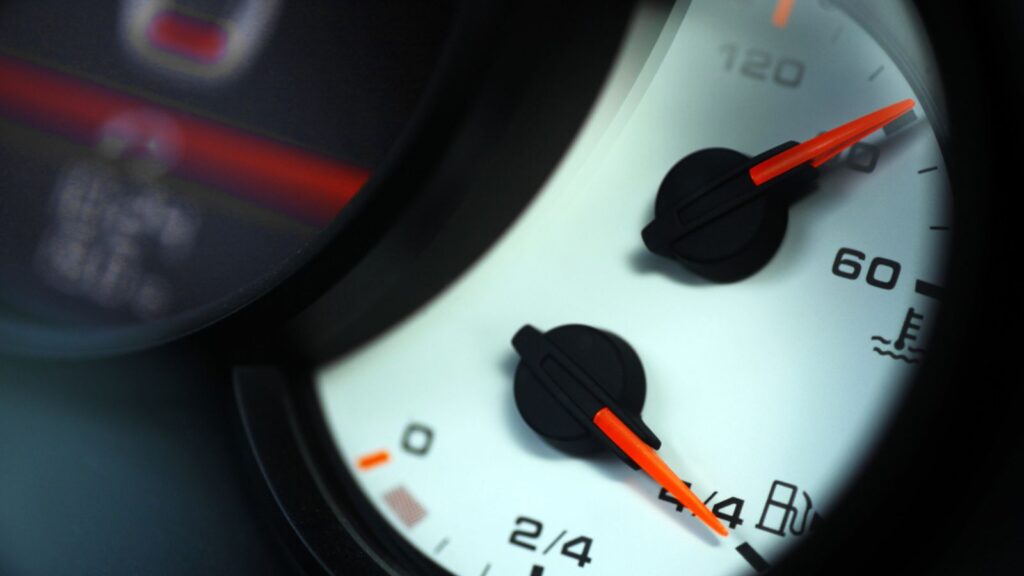
Pressing on the accelerator pedal to see the vehicle move is fun and may get you to the destination faster. However, it’s important to understand that higher speeds, aggressive driving, and other factors discussed can lead to poor gas mileage. Why spend more on gas when you can avoid it?
More From Driver’s Drift

12 Things Car Salespeople Don’t Want Customers to Know When Buying a Car, According to Car Salespeople

16 Things You Should Never Say to a Salesperson at a Car Dealership

15 Used Cars To Steer Clear of at All Costs

17 Hybrids to Avoid at All Costs


Peterson is an automotive content writer, blogger, and copywriter who is passionate about turning automotive experiences into compelling words. He developed an interest in cars at a young age and, upon reaching adulthood, mastered the ability to simplify complex automotive topics and present them engagingly.


