

American drivers are starting to see more electric vehicles on the roads. Electric vehicles have environmental benefits and outperform gas-powered cars in some ways. Still, the automotive industry has a long way to go before the average American embraces battery-powered vehicles.
Here are 15 valid reasons to delay buying an electric car.
Charging Reliability

Much of America’s transportation infrastructure is built around gas-powered cars. There is a good reason why you see gas stations on so many highway exits and street corners. Sometimes, electric vehicles need to be charged on the road, and the reliability of both public and private chargers isn’t great at 78%.
Variety

Electric vehicles don’t offer the same variety of sedans, SUVs, and trucks as gas-powered options. Car manufacturers introduce new models yearly, but finding the perfect combination of features, size, and price is not easy when shopping for an electric car.
Range Anxiety

Electric vehicle ranges have become better as they become more mainstream. You can now expect an all-electric vehicle to drive between 250 to 500 miles on a charge. This helps minimize range anxiety – or the fear that you’ll run out of battery on your way to a charging station, but for many potential customers, it’s still there.
Available Chargers
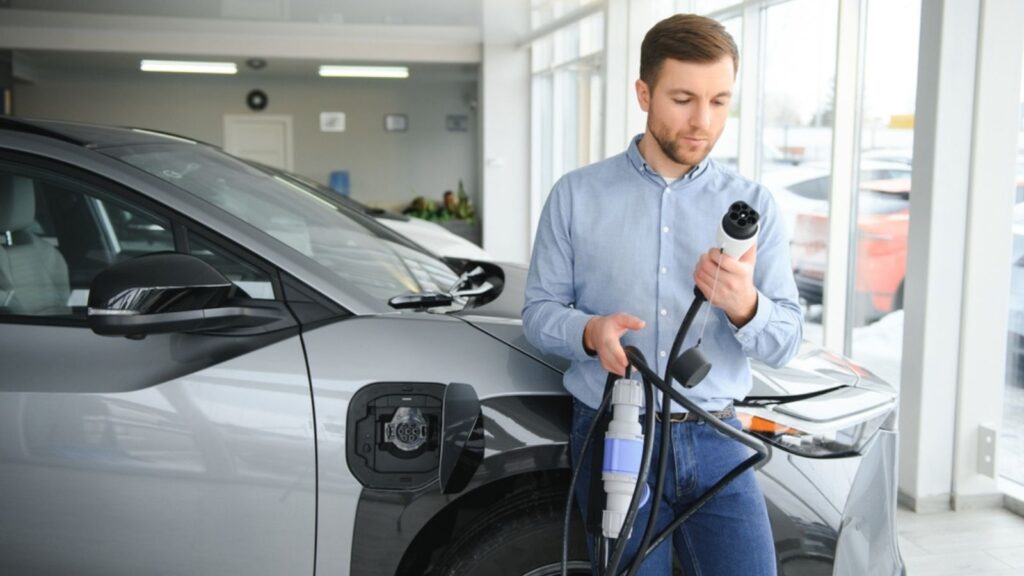
According to Pew Research, 6 out of 10 Americans live within 2 miles of a charging station. Given the reliability of charging stations, who knows how many work? While the number of electric chargers has grown to 61,000, this doesn’t touch the nearly 200,000 stations.
Cold Weather Range

Chillier temperatures reduce an electric vehicle’s range. This means that a vehicle driven in Texas winters will have more range than one driven further north.
Less Government Help

The federal government reduced the number of models eligible for credits up to $7,500 from 43 to 19, some of which only qualify for $3,500. Fewer options from an already limited set are not good. In addition, government incentives also require drivers to wait for tax time to roll around before seeing the financial benefits.
Fast Charging Can Be Expensive to Install

Fast charging isn’t always possible without some expensive upgrades. Some need an electric panel upgrade of up to 200 amps, costing thousands. The best-case scenario? A home with an available 240-volt circuit costs $250 to $800. Government programs may also be available to cover these costs, but that might mean additional waiting.
Additional Depreciation

It’s a fact of life that a vehicle depreciates the moment you drive away. This may be even more true for electric vehicles. A George Washington University study indicates that for now, you’ll lose 3% more on an electric vehicle’s resale value than gas. That’s a hefty hit for drivers who trade in their cars every few years.
Cold Weather Charging

If you have to use a public charger or your home charger is outside, expect the charging process to take longer than average. You might want to wait until better chargers and batteries are built before taking on this challenge.
Battery Costs

First, electric vehicle repair costs are lower than gas cars. However, replacing an electric battery can cost significantly more than replacing a gas-powered engine, ranging from $10,000 to $20,000. Gas-powered engines could cost from $3,000 to $12,000.
Family Options

Some families need more space for a stroller or third-row seating for kids. There aren’t many affordable electric SUVs that accommodate the average family, with the Tesla Model Y with a smaller third row priced at around $53,000 and Rivian’s 1S breaking the bank at $78,000.
You Live In An Apartment

If you live in an apartment, you might be at the mercy of your landlord or rely on public chargers to keep your battery full. Not all landlords will quickly install outlets for electric vehicle drivers.
You Need To Tow

Electric trucks, including the Chevrolet Silverado EV, Rivians trucks, and the Tesla Cybertruck, are available. However, towing and hauling reduce range. If you find yourself towing equipment often, you might want to wait until battery capacity increases.
Lack of Dealerships and Service Centers

Brands like Tesla and Rivian don’t have a physical presence in some cities. Not many local, independent garages are prepared to do more than change the fluid or tires on electric vehicles, making maintenance tricky.
Pricing

If you think gas-powered cars have a pricing issue, electric vehicles are worse. The average electric vehicle costs about $12,000 more than a similarly equipped gas vehicle. That’s a big difference for car buyers, even considering lower maintenance and environmental costs.
Charging, Price, and Utility Keeps Drivers From Buying Electric Vehicles Sooner

Electric vehicles have come a long way. While their range, performance, and availability have improved, these 15 reasons are hurdles for the automotive industry to overcome to gain people’s trust. Some drivers may wait until the last internal combustion vehicle is phased out before moving to electric.
More From Driver’s Drift

15 Classic Cars That Still Fly Off the Lot

16 Used Cars That Will Outlast Most New Cars on the Dealership Lot

12 Affordable Sports Cars That Can Go Head-to-head With the Porsche 911

16 Used Cars Known to Last Over 500,000 Miles


