
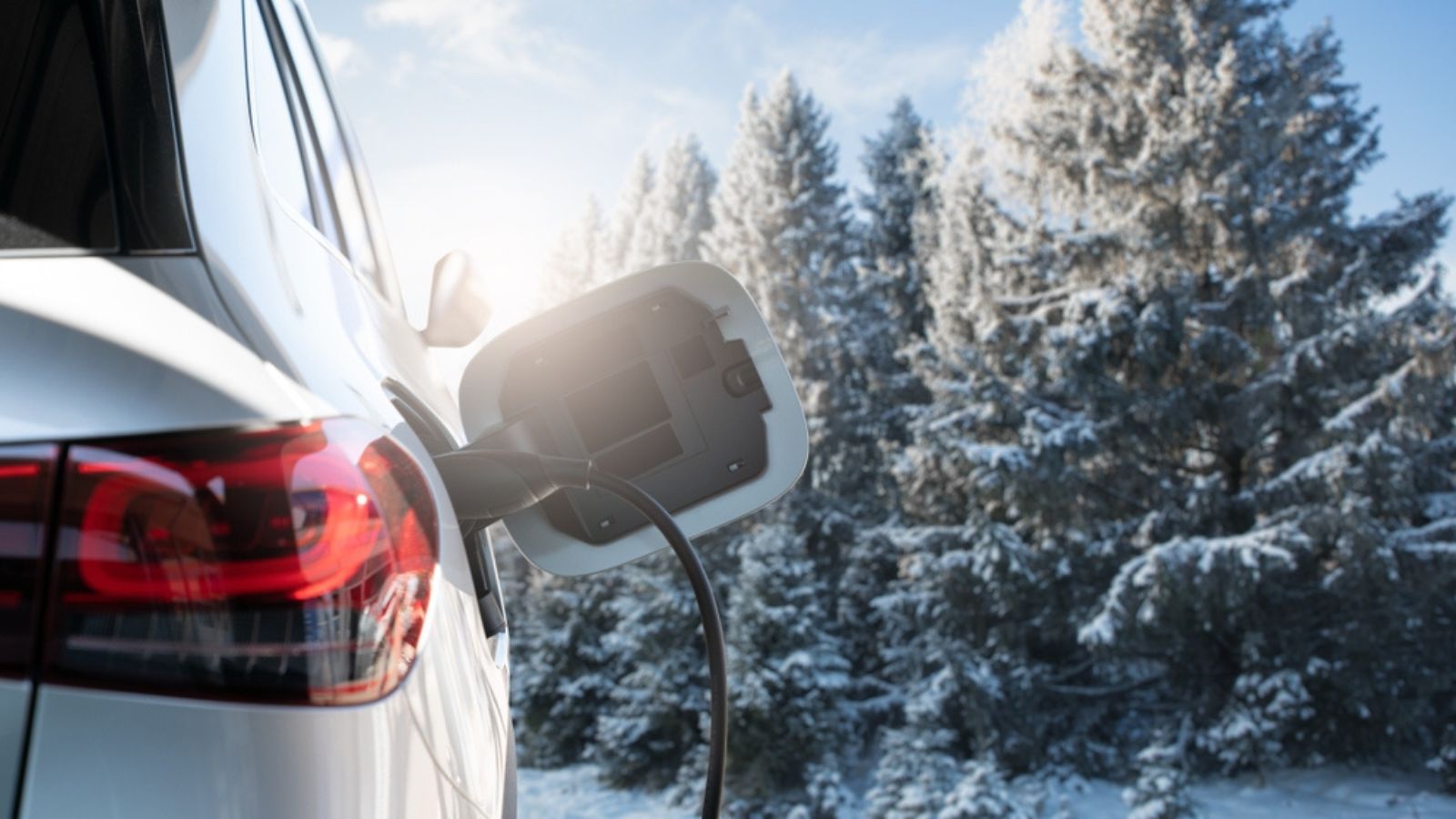
While the number of electric vehicles on U.S. roads is growing, it’s still tiny compared to the number of gas and diesel-engine cars.
Edmunds, citing Experian Automotive Market Trends in a 4Q23 report, says there were around 3.3 million EVs on the road. That’s up considerably from 2 million the year before and 1.3 million in 2021. Meanwhile, internal combustion engine vehicles account for the rest of the 288.5 million vehicles on the road.
Driving an EV in the Winter Can Be Challenging

While EVs can be capable vehicles at any time of the year, they face unique challenges when the temperatures drop. If you’re not prepared to meet these challenges, you might regret the day you ever signed on the dotted line.
There’s no denying that your EV’s efficiency—the number of miles it can cover on a single charge—will dip during the winter. But even so, you can minimize that range loss if you execute the right wintertime strategy.
Can You Deal With a 30% Range Hit?

One source says some EVs lose as much as 30% of their range when temperatures drop considerably. So, if your car has a 300-mile range, a 30% hit will lower the total by 90 miles to 210 miles.
Another source says that cabin heating is the primary reason EVs lose range when it’s freezing outside. That’s one reason to ensure you buy the right EV in the first place—so that a range hit doesn’t render your EV useless.
Learn How to Use Your EV Better This Winter

Even though the range will suffer during the winter, you shouldn’t hibernate your EV until spring. If you do decide to drive a gas car in the winter, ensure you know how to store it.
But if you want tips to use your EV more effectively in the winter, here are 13 things to remember.
Precondition the Battery

While older EV models may not offer battery preconditioning, you’ll be hard-pressed to find one on sale today without it. Preconditioning is a process that allows owners to warm up the battery sufficiently before driving. It boosts performance and efficiency, so the cold weather doesn’t negatively impact your range as much.
Plug In Your EV Overnight

It’s also a good idea to keep your EV plugged in overnight. Doing so maintains the battery’s warmth, lowering the range hit caused by the cold weather season.
Avoid High-Speed Charging During Wintertime

While using Level 3 chargers occasionally is okay in the spring, summer, and fall, hold off on using them during winter. Cold batteries charge less efficiently and more slowly during the cold weather season. Considering that many EVs put caps on charging voltage if a battery is cold, you might not benefit from using a Level 3 charger.
Use Scheduled Charging

Providing you have an EV charger installed at home, it’s a good idea to set the EV to charge during off-peak hours. The demand on the grid is likely to be lower at such times, and the temperatures might not be as extreme as during peak hours.
Monitor Battery Levels

Remember that driving range decreases during the winter. While preconditioning can lessen the range hit, it won’t eliminate it. So, you must proactively monitor battery levels and plan your trips and routes accordingly.
Minimize Quick Acceleration

Do you tend to have a heavy foot on the acceleration pedal? You should eliminate or reduce the frequency of your aggressive driving. Otherwise, you’ll deplete the battery more quickly.
You’ll already have a reduced range during the winter. Driving aggressively with quick accelerations will only make things worse.
Limit Battery Depletion

Keep your battery level above 20% during the winter season. If you allow the level to drop too far during cold weather, you could face battery performance issues.
Lower Your Speed

You won’t be surprised to hear that higher speeds necessitate more energy from the battery—and will, therefore, lower the range. You’ll get more miles between charging if you’re mindful about driving a little slower during the winter.
Drive in Eco Mode

Use your EV’s eco mode to make the most of battery power. It can make a big difference in the winter when you want to maximize the range as much as possible.
Use Regenerative Braking

Regenerative braking is one of the best things to happen to EVs. It’s a system that captures energy generated by the braking process and sends it back to the battery to increase the range. So, when slowing down and stopping, use regenerative braking to your advantage.
Use Seat and Steering Wheel Warmers
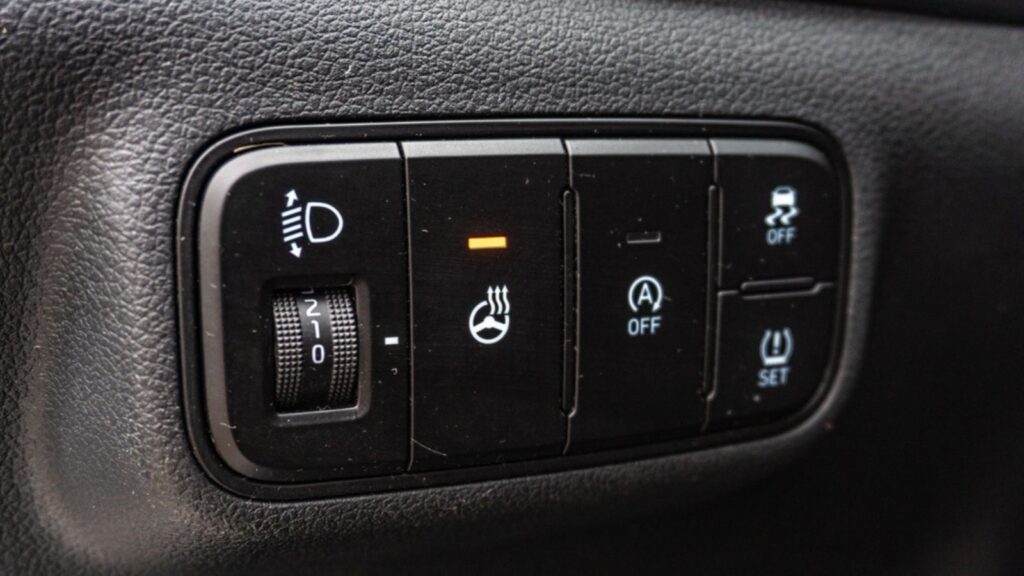
Heating the cabin in the winter takes a toll on the battery. One way to reduce the hit is to use seat and steering wheel warmers, which can help keep you warmer and more comfortable without draining the battery.
Monitor Weather Conditions
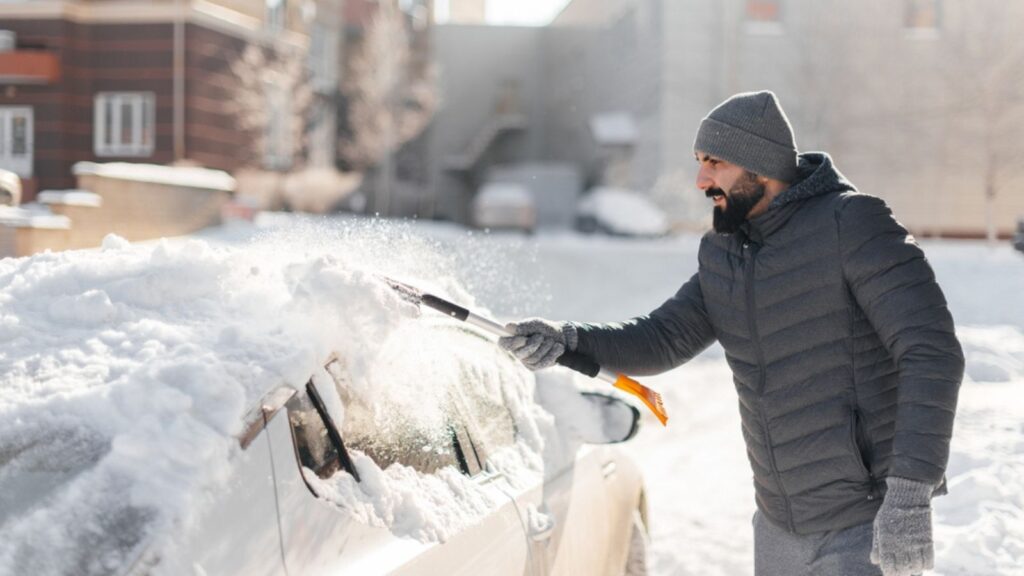
When planning trips during the winter, stay on top of weather conditions. Extremely cold temperatures will negatively impact the battery—and the colder it is, the worse the potential hit to the range. You may want to plan trips around severe cold weather, which may mean rescheduling things
Switch to Winter Tires

Some people believe they don’t need winter tires if they have cars with AWD or 4WD, but nothing could be further from the truth. Winter tires will provide better handling and braking on ice and snow.
EVs Face More Challenges During the Winter

It’s not that you can’t use EV during the winter—it’s that you have to do some things differently. No matter what you do, you’ll see the range dip. But you can lower the impact by implementing a few strategies to allow you to use and enjoy your EV all four seasons of the year.
More From Driver’s Drift

15 Easy-to-Miss Signs of Unmarked Cop Vehicles You Should Know About

15 Best-Looking SUVS On the Market Today

16 Reliable Vehicles That Seldom Need a Trip to the Repair Shop

15 Continuously Variable Transmissions (CVT) Cars That Are Worth Your Investment


