

Americans have become even more concerned about the environment and climate change, so electric cars are growing in popularity. Currently, there are over 2,531,206 EVs on United States roads. While these cars have the highest owner satisfaction rating in the country, they still have some drawbacks.
In this article, we’ll discuss 20 things EV owners won’t admit about their cars.
Range Anxiety Still Exists

While the range of EVs has improved greatly, many American drivers fear that their vehicles may have insufficient energy storage. We can all admit that charging infrastructure isn’t as widely available as gas stations, so planning road trips can be a bit more stressful.
In fact, some EV owners consider purchasing an internal combustion engine (ICE) car as their next vehicle due to this challenge.
Finding Charging Stations Is Still an Issue

While charging stations may be adequate in urban areas, some parts of the U.S. have no stations at all. Many drivers in these areas can’t find enough public EV charging stations to reliably charge their cars, leading to increased worry. Currently, there are about 183,082 EV charging stations, but there is still a need for more.
Battery Degrades Over Time
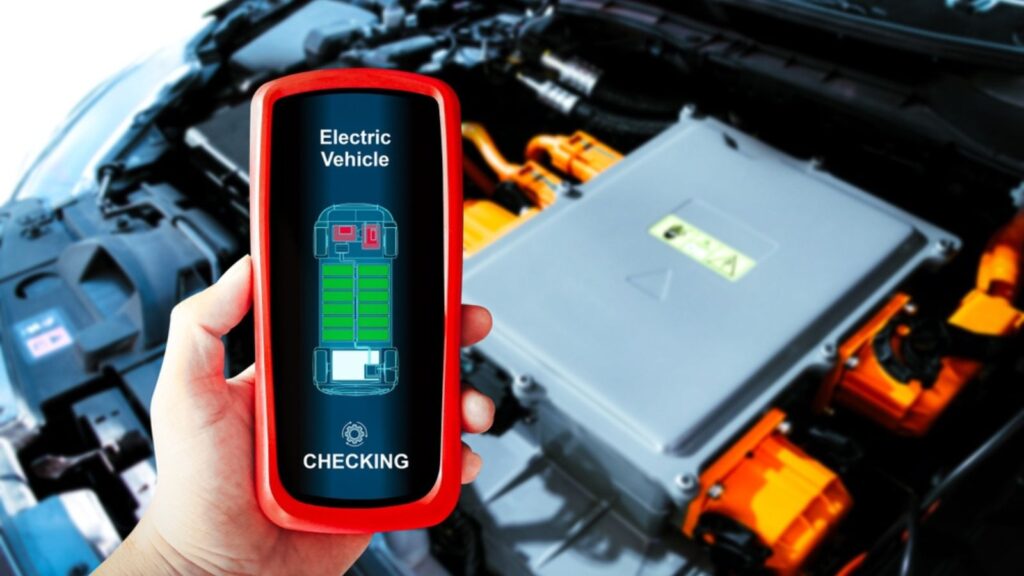
Researchers suggest that EV battery capacity decreases by approximately 2.3% every year. This can be even higher depending on the driving and weather conditions.
EV batteries degrading slowly means reduced range and car performance. EV owners may have to replace the battery in less than a decade. That can potentially cost $6,500 to $20,000, depending on the size and manufacturer.
High Upfront Costs

Although there are incentives like the $7,500 tax credits offered by the federal government, EVs cost more to manufacturers due to the chassis, exterior body, battery, electrical, and electronic costs. The lithium-ion batteries commonly used in these cars remain the most costly components.
Some owners may justify the cost with long-term savings on fuel and maintenance, but the initial investment drains new buyers’ pockets.
Cold Weather Issue

Experts claim cold weather with temperatures close to freezing can decrease the range of EVs by 10 to 30%. Colder temperatures slow down battery reactions, just like a chilly start slows the average human. This makes the batteries work inefficiently in the cold. Meanwhile, regulating cabin temperature can consume a significant amount of power.
Limited Charging Options for People in Apartments

The initial installation of EV charging infrastructure is expensive, up to $7,000. This high upfront investment is a significant deterrent for property owners. EV owners also face other challenges with apartment charging stations due to poor energy efficiency since most standard EV chargers are not designed for multifamily properties.
Finding an EV Technician Is Still a Tedious Job

According to the U.S. Bureau of Labor Statistics, only 655,330 people are employed as automotive service technicians and mechanics. Only 58,800 of these technicians are now qualified to work on EVs. Considering the popularity of EVs, this number isn’t sufficient to serve all EV owners.
Maintenance Isn’t Always Cheaper

Due to a lack of qualified technicians, most EV owners have their vehicles serviced by a dealer, which can be significantly more expensive. Those lucky enough to find an independent technician also pay higher due to the higher demand for their services.
EVs Are Not Entirely Green

Although EVs produce zero tailpipe emissions, the environmental impact of manufacturing these cars isn’t negligible. Most manufacturers use lithium-ion batteries made from materials like lithium, cobalt, and nickel, which can have a significant environmental impact.
On the other hand, carbon dioxide can be emitted as EVs draw electricity from the power grid. This is a significant concern because about 60% of the electricity generation in the country is from fossil fuels—coal, natural gas, petroleum, and other gasses.
Resale Value Is Uncertain

One study by an insurance company found that Americans have had their longest-owned cars for an average of around eight years. This means many EV owners want to sell their vehicles and upgrade to something else.
However, the challenge with selling EVs is that a higher initial price does not necessarily carry over to the second-hand market. Most EVs are depreciating faster because battery degradation leads to shorter ranges.
Software Glitches and In-Car Electronics Failures
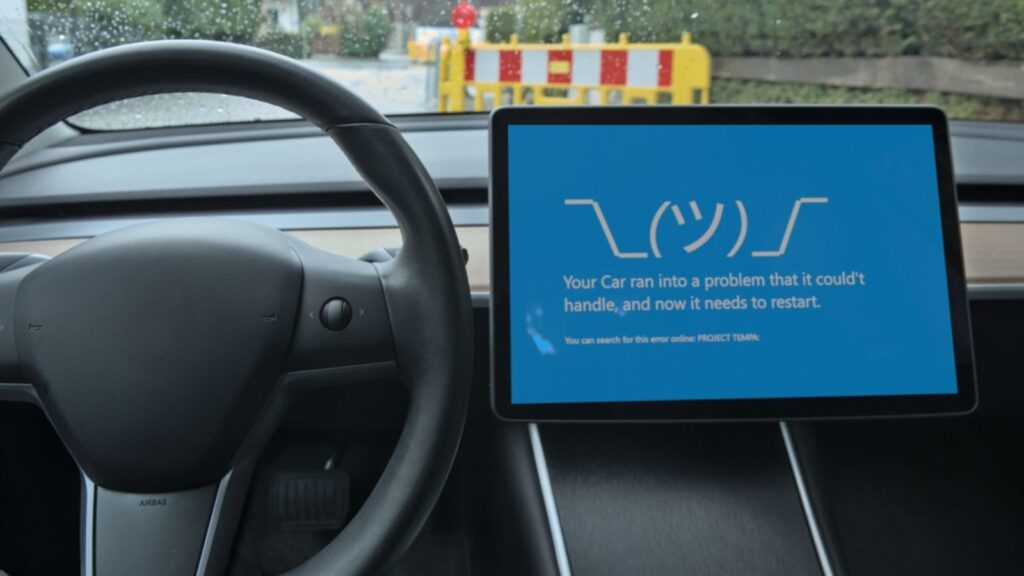
EVs are often described as “computers on wheels.” And like any piece of software, they can experience bugs or glitches. Some owners experience issues with updates, touchscreens freezing, or connectivity problems.
Electronic failures are also the biggest issue with these cars. Most cases are failing temperature sensors, faulty electric doors, and widespread automatic window problems. Some electronics, such as temperature sensors, are critical for ensuring your battery operates within safe limits.
Charging Times Are Long

Most EV manufacturers have offered fast chargers that fill the EV batteries in less than an hour. However, even with fast chargers, charging an EV takes longer than filling up a gas tank. This is a challenge many owners will not speak about.
For longer road trips, owners have to plan extra time for charging stops, which can add hours to travel time compared to a conventional car. Charging time may also increase due to problems like dealing with out-of-service EV charging stations, waiting in long lines, and drivers’ bad charging etiquette, especially in crowded areas or during peak times.
Limited Model Variety

Although the variety of electric vehicles is growing, the selection is still more limited than traditional gas-powered cars. As of March 3, 2023, there were only 40 battery EV models in the U.S., making it challenging for those who want variety.
Challenge Adjusting to EV Driving

Many Americans, especially purists, have become accustomed to pressing the gas pedal of their muscle cars. So, shifting to electric vehicles becomes a challenge.
Many find it difficult to adjust their driving habits to maximize battery life, especially during the cold seasons when the batteries have shorter ranges. Some habits include reducing sudden acceleration, moderating speed, and preconditioning the vehicle before trips.
Higher Insurance Premiums

According to the National Association of Insurance Commissioners, insuring an EV can cost up to 20% more than a gas-powered car. Why? These cars have larger and more costly batteries that degrade with time.
Additionally, manufacturers like Tesla have high-performance models that may be deemed riskier by insurers. Being faster and quieter than traditional ICE vehicles makes them more likely to hit pedestrians. All these factors lead to higher premiums.
Battery Recycling Concerns

EV batteries pose a unique problem because they contain toxic materials such as lithium, cobalt, and nickel. If improperly disposed of, these batteries can leak into the soil and groundwater and pose serious environmental hazards. However, if recycled correctly, the toxic materials in these batteries can be reused to manufacture new batteries. That can reduce the need to mine for more of these materials.
However, the main barrier is that the current recycling process is complicated and costly. Disassembling batteries requires specialized facilities and skilled labor, raising costs. This has led to many EV owners opting for disposal, but many who are environmentally conscious might be concerned about the long-term impacts.
Home Charging Setup Is Expensive

Unsurprisingly, 64% of current EV drivers regularly charge at home. However, installing the home stations can be expensive, considering some homes lack the standard 240-volt service required for Level 2 chargers.
A Level 2 charger installation costs around $700 to more than $1,800, and a Level 1 can cost from $300 to more than $1,000. These costs can increase if some electrical upgrades are required, making it too expensive for some EV owners.
Driving Experience

EVs use a single-speed transmission because the motor is efficient in various conditions. However, this might be challenging for those accustomed to driving ICE cars with a wide range of gears to select from.
On the other hand, EVs are quieter than ICE vehicles, and owners miss the engine sounds that add a sensory experience to driving.
Charging Networks Aren’t Equal

Different charging stations have different payment systems, speeds, and reliability. For instance, various chargers from Nissan, Mitsubishi, and the Tesla Supercharge, lead to compatibility issues.
EV charging can also follow several different pricing schemes, such as per-session fees, per-minute fees, and tiered pricing, leading to inconsistent pricing and sometimes high costs.
Limited Towing Capacity

Most EV owners who need to tow trailers or haul heavy loads have limitations because EVs are already heavy due to their batteries. Adding a heavy trailer will pack on more weight and reduce range, which is not the case with ICE cars.
EVs Are Still Reliable for Daily Drives

Data suggests EVs are significantly less likely to require roadside assistance than their ICE vehicle counterparts. EVs boast a staggering 59% decrease in breakdown compared to petrol or diesel vehicles. What’s more, they are quieter and more environmentally friendly. Does that make them worth considering? The choice is yours.
More From Driver’s Drift

15 Continuously Variable Transmissions (CVT) Cars That Are Worth Your Investment

13 Cars Owners Wish They’d Never Purchased

14 Sedans That Make More Sense to Own Than Crossovers

12 Secrets Car Salespeople Would Prefer You Didn’t Know When Buying a Car


Peterson is an automotive content writer, blogger, and copywriter who is passionate about turning automotive experiences into compelling words. He developed an interest in cars at a young age and, upon reaching adulthood, mastered the ability to simplify complex automotive topics and present them engagingly.


