

Your brakes are one of the most important safety systems in your vehicle. For your car to be able to stop, it’s essential to have well-maintained brakes with good pads and rotors. Thankfully, your car’s braking system is designed to provide clear signals that there are problems. Here are 15 signs of brake failure you should know about so you can make your vehicle safe.
Slow Stops
Does stopping your vehicle take longer than usual, even in good weather? Reduced stopping power could mean several things, including failing brakes. Get your vehicle checked out soon before you get into an accident.
Leaks and Puddles

Let’s face it. Most drivers don’t check underneath their vehicles often enough. Your vehicle could have telltale signs of a brake fluid leak right where you park. How would you know? Try parking in a clean spot or putting cardboard underneath the front end of your vehicle. Brake fluid looks clear or yellow and brown when worn well. An important note is that oil is likely golden, dark brown, or black.
Pulling While Braking

If one side of your brakes is more worn than the other, you could experience pulling to one side while braking. This could also be a sign of something trapped in your brake fluid. You might need to get your fluid drained and replaced.
Bad Vibrations

Braking should be smooth. If your vehicle shudders or vibrates while braking, the issue could be your brakes. The rotors on your vehicle could be damaged, too, which is a more costly fix.
The Brake Light Is On

As long as your dashboard isn’t covered with duct tape, this one is slightly more obvious. The BRAKE light could mean something innocent, like engaging the parking brake. But if your parking brake isn’t on, it could mean you have an issue with low brake fluid levels in your braking system’s master cylinder. Get this fixed as soon as possible.
Burning Smell
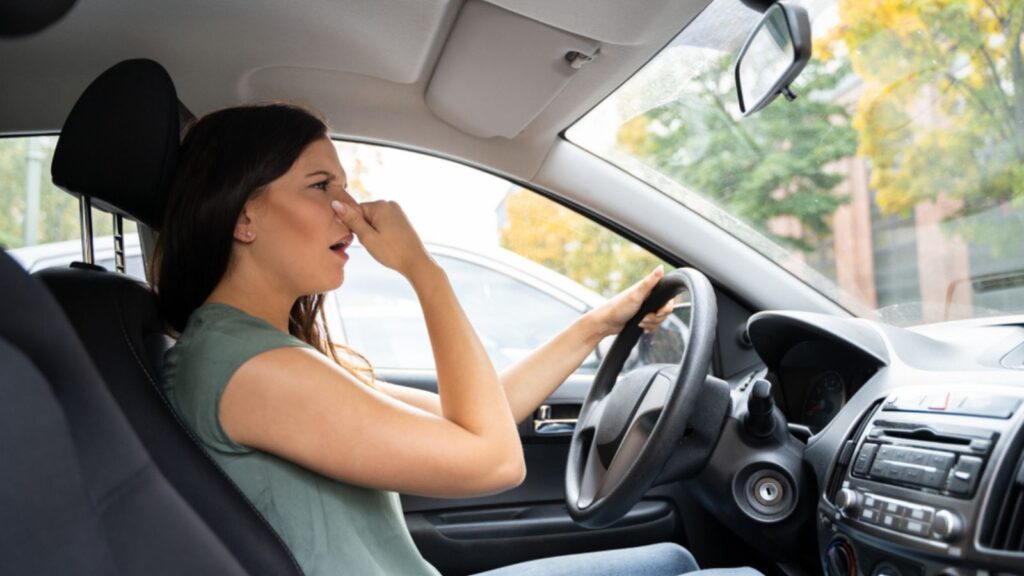
A vehicle should produce some smells, but burning isn’t one of them. A burning smell could indicate that the brakes are getting too hot. You might have metal brake pads grinding against metal rotors, which isn’t good.
Spongy Brakes

When you push the brake pedal, you should feel some resistance. If your brakes don’t feel as firm as they used to, there’s likely an issue with your braking system.
Brake Pad Light
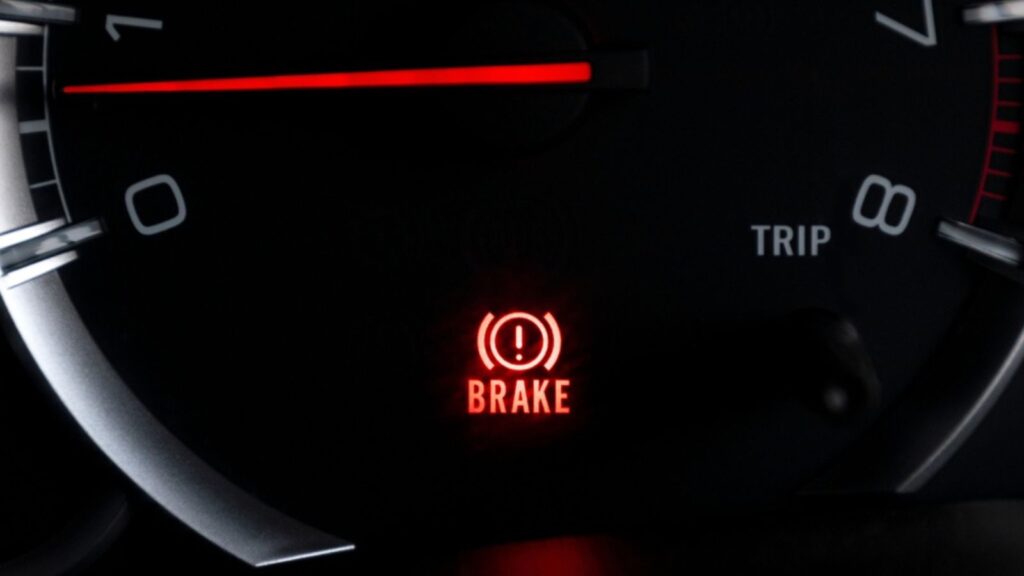
Yes, there is more than one kind of brake warning light. Read your manual to learn more about which warning lights your vehicle displays, as not all vehicles have a brake pad warning light. Some newer models have a sensor and light telling you your brake pads are getting thin.
Sensitive Brakes

Does your vehicle feel like it stops harder than it should, or does the brake pedal seem more sensitive than usual? This could be a sign of uneven wear or an issue with brake fluid.
Weird Sounds After New Brake Pads

Imagine you just got new brake pads and hear a weird sound when braking. This could indicate that your rotors are glazed, meaning they got too hot and the metal burned. Glazed rotors with new brake pads are a sign your mechanic didn’t check the rotors.
Brake Pedal to the Floor

Your brake pedal shouldn’t go all the way to the floor. If your brake pedal falls to the floor, you likely have a serious problem within your braking system that needs immediate attention.
Anti-Lock Brake Lights

To be clear, your ABS lights should come on when your vehicle actively uses ABS in an event like a snowstorm or heavy rain. At any other time, the ABS light should not be on. Consider this a pleasant reminder to get your brake system serviced.
Visual Inspection

This is less subtle but important if you haven’t changed your brakes in a while. Many vehicles allow you to peek at the brake pad through the holes in the wheel. Brake pads have visible indicators that you can see with a flashlight. If the indicator is gone, you’ll need new brake pads.
Lack of Maintenance

If you haven’t thought about your brakes in a while, or it’s been a while since they were maintained or replaced, consider getting them checked out. Even if you don’t drive often, take your vehicle out for a drive occasionally to ensure the brakes are working when you need them.
Squealing
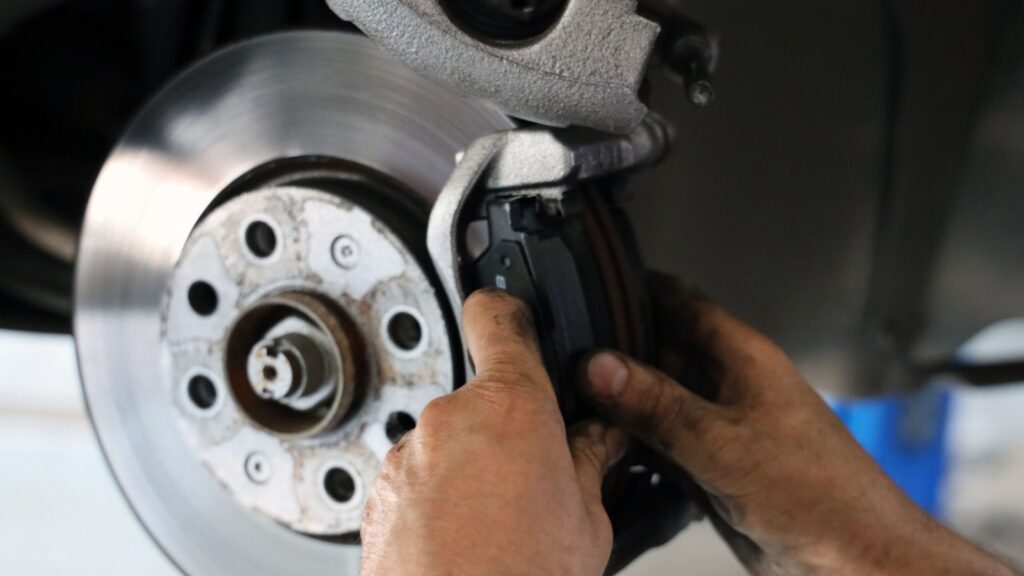
Brake squealing isn’t meant to be subtle. Brake manufacturers install a metal piece on your brake pad that lets out a high-pitched squeal when the pads are wearing out. You’ll hear this sound, in many cases, even when you aren’t braking. The sound could also come from rusty brakes, debris, and other problems. Regardless, if you hear this sound, get your brakes checked out.
The positive part about brake squealing is that if you get your vehicle checked out soon, you can save money by avoiding replacing your rotors.
When Your Brake System is Failing, Take Action

Knowing these subtle signs of brake failure is essential to preventing severe safety issues. What other safety and mechanical issues do you see coming from your vehicle? When do you take action?
More From Driver’s Drift

16 Used Cars That Will Outlast Most New Cars on the Dealership Lot

12 Affordable Sports Cars That Can Go Head-to-head With the Porsche 911

14 Cars That Consistently Fail Crash Tests

16 Used Cars Known to Last Over 500,000 Miles


