

Did you know that a modern car can have north of 30,000 individual parts? With so many parts, it’s no wonder that internal combustion engine vehicles can make noises that concern or frighten drivers.
If you wrench on cars, troubleshooting based on noise might be easier for you than for people who know little about vehicles. You might easily recognize the sound of a loose serpentine belt under the hood, a leak in the exhaust system, or a clunk in a suspension system due for an overhaul.
Even Experienced DIYers Can Become Befuddled By What They Hear

Car noises can sometimes throw off experienced DIYers or backyard mechanics who work on their cars. When you have a vehicle consisting of tens of thousands of parts, you’re bound to hear some noises that are difficult to decipher. You may need a seasoned car repair professional to put their ears to good use to find out what’s wrong.
While not all strange car noises mean your vehicle’s longevity hangs in the balance, here are 15 odd but serious sounds you need to take care of as soon as possible.
Squealing When Braking
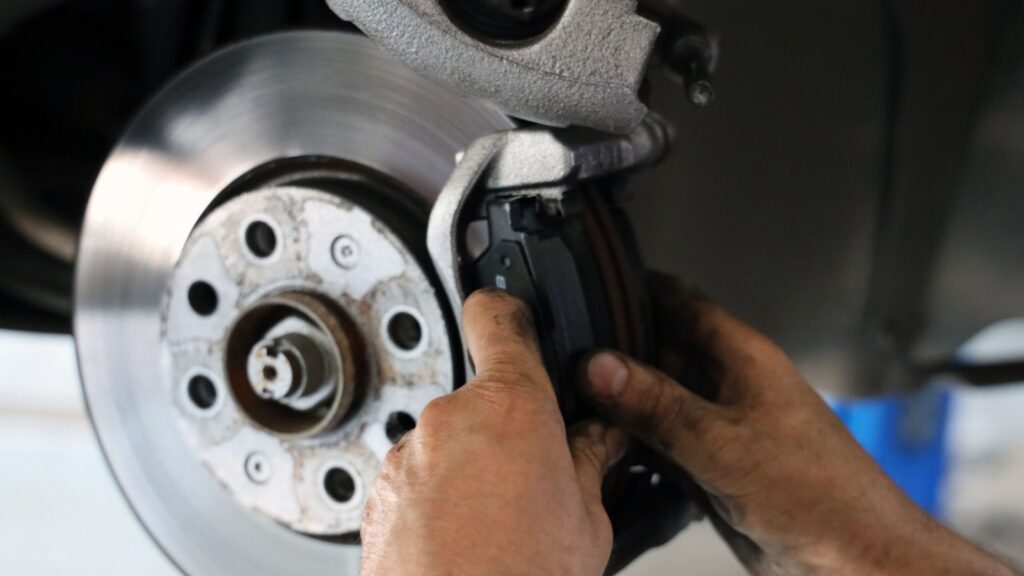
If you hear a high-pitched squealing sound when you press the brake pedal, don’t ignore it. It’s often a telltale sound that your brake pads are dangerously thin. Brake pads include wear indicators that emit a loud noise when they reach their limit. If required, you can fix the problem by changing the brake pads and servicing the rest of the braking system.
Grinding When Braking

If you hear a grinding sound when braking, it’s an indication that something is seriously wrong. Your brake pads may be worn, leading to metal-on-metal contact, which causes the sound.
Replace the brake pads right away and inspect the braking system. Pay particular attention to the calipers and rotors to ensure your braking system functions as it should.
Knocking From the Engine
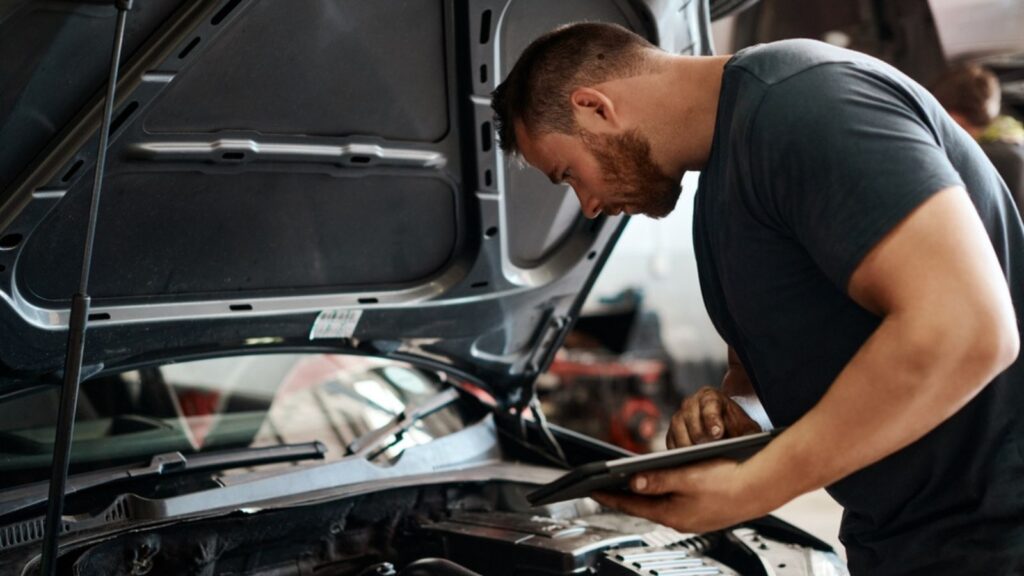
A knocking sound from under the hood is never a pleasant sound. And that’s especially so if it’s coming from the engine. It could result from issues ranging from misfiring to worn bearings. At any rate, you should see a mechanic who can properly diagnose the problem and fix it.
Hissing Under the Hood

If you hear a hissing sound coming from under your hood, your best bet is to pull over and check just in case. The problem could stem from a leak somewhere, such as a compromised coolant line. Use a flashlight to investigate where the leak may be coming from. If the problem is a loose clamp, tighten it, top up the fluid, and see if that fixes it. Otherwise, see a professional.
Rattling Under the Vehicle
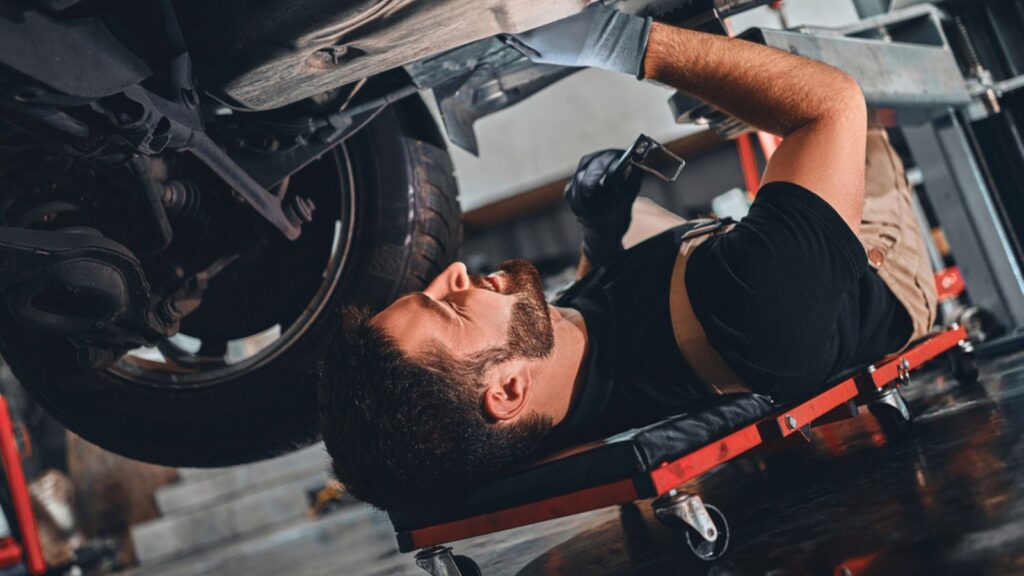
Rattling sounds from under your car can be particularly complex if you’re uncertain where they’re coming from. It could be loose exhaust parts, a loose heat shield that needs to be fastened down, or something else.
Do you have ramps? If so, drive up them to inspect the undercarriage. What you shouldn’t do is ignore the issue. If it’s the exhaust, the last thing you need is for a section of it to break free when driving. An exhaust leak could expose anyone in your car to harmful fumes.
Whining While Turning the Steering Wheel

If you hear a whining sound whenever you turn the steering wheel, a problem with the power steering system is likely the culprit. It might be a problem with the pump—which might require costly repairs—or a low power steering fluid level—which can easily be fixed by topping up the fluid.
Clicking Sound When Turning

Clicking sounds, particularly when turning left or right, could signal a problem with the CV joint. CV joints that have worn out can make clicking sounds.
Unless DIY car repair and maintenance is your thing, take your car to a mechanic for repairs.
Ticking From the Engine

When motorists hear a ticking noise coming from the engine, they assume the worst. Low oil levels, timing belts, or timing chain issues could be responsible. Your first order of business is to check the oil level and monitor the situation. If that doesn’t resolve the ticking issue, make an appointment to see your mechanic as soon as possible.
Whining From the Transmission

A whining sound from under the car rather than under the hood could be a transmission issue. If it’s the latter, the cause could be failing bearings, low transmission fluid, or worn gears. Check the transmission fluid level and, if necessary, top it up. Professional help might be necessary if you can’t right the ship.
Clunking Over Bumps

It’s impossible not to notice clunking or thumping sounds when driving over bumps because you won’t only hear it but also feel it. Such sounds are often telltale signs of worn-out suspension parts like bushings, struts, or shocks. Replace suspension components as needed.
Grinding When Shifting Gears

You’ll know there’s an issue if you hear a grinding sound whenever shifting gears. Such sounds usually mean there’s a problem with the transmission or the clutch (if you drive a stick shift). The problem can be anything from a low transmission fluid level to worn-out clutch plates.
First, check the transmission fluid level and top up if it’s lower than it should be. If that doesn’t resolve the issue, it’s time to go to the professionals.
Whirring Sound When Accelerating

One sound that might baffle you is a whirring noise when you hit the acceleration pedal. It could indicate your wheel bearings need to be replaced. If you can do so safely, jack up the car, secure it with jack stands, and spin the wheel you believe the sound is coming from.
The wheel bearing should be replaced if you hear a whirring sound.
Gurgling From the Radiator

The radiator is an essential component of any vehicle. If you hear a gurgling sound coming from it, you might be in danger of overheating the engine.
Gurgling could be caused by boiling coolant or air trapped inside the radiator. Check the coolant level and the radiator. The last thing you need is an overheated engine that leads to catastrophic failure.
Rumbling at High Speeds

While cruising at highway speeds, you should be mindful if you hear rumbling sounds. The problem could be any of a number of things relating to your tires. Balance issues or uneven wear could be the culprit. You may either need new tires, an alignment, or both.
Humming That Intensifies with Speed

If you hear a humming sound that intensifies the faster you drive, that could be a sign that your tires or wheel bearings should be replaced. Check to see whether there’s a problem with your wheel bearings or tires, and replace them if there is. You don’t want to drag your foot on it since it’ll worsen and present a significant safety issue.
Don’t Ignore Any of These Noises

Sometimes, your car talks to you by the sounds it makes. If you don’t get the message, minor issues could morph into major issues down the road. These types of issues won’t go away or get better without intervention. So, the sooner you fix the problem, the better.
More From Driver’s Drift

15 Easy-to-Miss Signs of Unmarked Cop Vehicles You Should Know About

15 Best-Looking SUVS On the Market Today

16 Reliable Vehicles That Seldom Need a Trip to the Repair Shop

15 Continuously Variable Transmissions (CVT) Cars That Are Worth Your Investment


