

Buying a used car comes with its own set of pros and cons. For one, it allows us to dodge the dreaded depreciation, which seems to be eating up new car values at an alarming rate.
On the other hand, it represents a set of challenges that make the buying experience somewhat of a gamble. If one does decide to skip new car dealerships, exercising maximum caution is the key, as not all used cars are equal.
Some come with sets of problems one may not be able to identify at first, which is why we will go over the 12 signs a private seller or dealer may be selling you their problem. So, stick around and find out what those problems can be!
Incomplete or Missing Maintenance Records

New cars are new; they haven’t been used and thus haven’t been maintained. This means new cars don’t come with maintenance records, while used cars do – well, some do.
One easy way to spot if someone is trying to sell a problematic car is if it has incomplete or missing maintenance records.
If a car has been properly maintained, an owner would understandably want to share that news with a prospective buyer to increase the chances of selling the car. If a seller has no maintenance records or suspicious gaps, it’s best to avoid that car since it might be problematic.
Hesitation to Allow a Pre-Purchase Inspection
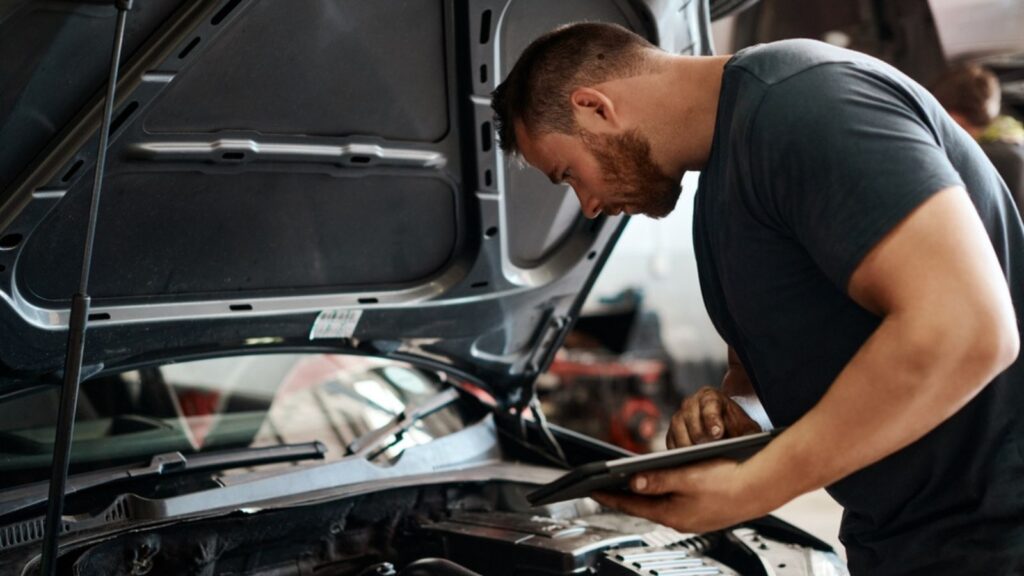
A pre-purchase inspection is intended to alleviate potential concerns that someone is trying to sell you a dud. The idea behind inspecting the car in great detail is to get an understanding of its overall condition and what needs to be done to make it solid.
If a seller or dealer is reluctant to allow a pre-purchase inspection, it could indicate that there is something about that car one shouldn’t know. The most logical thing to do would be to move on to the next option, as hesitation to allow a pre-purchase inspection is a huge red flag.
Signs of a Quick Fix

When someone wants to get rid of a damaged car quickly and cheaply, the car usually gets mistreated. Obvious signs of a quick fix include fresh paint, parts that seem out of place, or panels that don’t add up quite right.
It’s also a good idea to inspect underneath the car for inconsistent seams, wheel misalignment, or hidden damage the seller might assume no one would check.
The Price is Right

At any moment, one can go onto a car trading app and come across cars that are priced just right. So, if a car is priced significantly below market value, that could indicate that the seller wants to get rid of it as quickly as possible.
The car might be problematic, and the seller does not want to fix it but rather pass on that misery to someone else.
Reluctant Test Drive

This goes hand in hand with a seller not wanting to allow for a pre-purchase inspection because it immediately indicates that there could be something wrong with the car. If the seller is willing, try to ride shotgun at least; if even that is not allowed, run away.
Test drives can indeed be problematic from a driver’s perspective, but it makes little sense for the seller not to allow you to join him for a test drive. It could all indicate a potential problem that is best avoided.
Strange Sounds and Smells

Mechanical issues within a car usually manifest in the form of smells or strange sounds. A good thing would always be to simply ask what’s that about. If the seller/dealer is downplaying those issues, it could point toward a problem on wheels.
Sure, not all smells and sounds are bad, but if one does not know why these occur, it’s as good of a guess as any. Therefore, simply avoid those cars, as buying a questionable car is paying money for the trouble down the line.
Vehicle History Conundrums

Good used cars usually have their history documented, at least to a certain degree. Such reports can teach many things, as they allow you to dig deeper into who owned the car, how well it was maintained, and whether it was ever involved in an accident.
A history report may not always tell a whole story, but it does give you something to start with. If a car has no history report to speak of, well, that’s just a problem waiting to happen.
Rushed Sales Process

Buying a car is not easy since cars can be expensive, and most people don’t have the means to throw away money on a poor decision. As such, it is reasonable to allow a prospective buyer enough time to think before pulling the trigger and buying the car.
However, if a dealer or a seller exerts pressure on you to close the deal by saying, “I have many people in the line” or “The car is going to be sold any day now,” it’s best to turn around and walk away, as rushing such a process can land you in a world of trouble.
Warning Lights

Cars break, and we can do nothing about that except fix them when they do. However, some people aren’t necessarily as prompt when it comes to taking care of issues, which is why they allow their cars to light up their dashboards like Christmas trees.
It’s important to state that as much as 50% of all cars on the road today have some form of warning light trouble, but buying a used car with multiple warning lights is a clear sign that it has had ongoing issues that no one has taken the time to fix.
Too Many Owners

When someone is truly happy with a car, they aren’t expected to sell it anytime soon. On the other hand, if someone isn’t particularly satisfied with a car, chances are that it is going to end up on sale soon.
So, if you come across a car on sale with more than 2-3 owners in the last 3-5 years, it could indicate that the car is problematic, and everyone was eager to get rid of it quickly. On the other hand, if the car had more than one owner but had been properly taken care of, then there is no reason not to buy it.
Salvage or Rebuilt Title

Salvaged cars are not always bad, but they usually are. The fact is that if a car was involved in a big accident and repaired, it could still be plagued with many issues. Even though cars can be fixed, not all parts can be fully restored without paying a price after a severe crash. After all, there is a reason that a salvaged car may not be economical to fix, and it is naive to think that you unless you are an expert, can repair such a car without the expense.
All in all, rebuilt and salvaged title cars can be a great way for someone to save a bit of money, but that someone should be more than able to rebuild a car himself. For us regular folk, it’s best to avoid those.
Check the Odometer

In today’s day and age, many apps and systems could help you to determine if someone rolled back the miles on a car’s odometer. If a car is older, looks relatively worn out, but has a suspiciously low amount of miles on the clock, it could be a victim of an odometer rollback.
If the seller/dealer is adamant that the mileage is, in fact, accurate, be sure to use AutoCheck, CarVertical, and CarFax to ensure that you aren’t buying a problem.
A Problem on Wheels

As mentioned in the intro, buying used is not always easy. One may need to overcome many hurdles to be fully satisfied with a purchase.
One such hurdle is to make sure the car is as sound as the dealer/seller is claiming it to be. If either one of these factors is prevalent when buying a used car, make sure to keep your eyes open at all.
If multiple of these factors are present, it’s best to pass up on the opportunity to acquire the car – it is increasingly the case that a problematic car can demand way too much money to fix.
More From Driver’s Drift

13 Phrases Mechanics Use to Up Your Repair Bill

13 SUVs Owners Say They Wish They Never Bought

15 Vehicles With Blind Spots So Bad You’ll Wonder Why They Even Have Windows

15 Easy-to-Miss Signs of Unmarked Cop Vehicles You Should Know About


