

Drivers today are keeping their vehicles for longer. The average car owner’s vehicle is now 13.9 years old, rising significantly from 11.4 years in 2014. Is the economy to blame? How have vehicle prices changed buying habits? Let’s walk through 15 reasons people hold onto their vehicles longer. You may relate to some, and others could be eye-opening.
Better Engines

The saying “They don’t make them like they used to” applies to modern vehicles that lack a sense of style and the beautiful rumbling sound of a non-fuel-injected engine. In reality, the parts that keep a car working last longer today. When parts last longer, vehicles last longer, often going over 250,000 miles.
Remote Work Means Less Driving

Remote work has resulted in fewer vehicles on the road and a drop in miles traveled per person. Whether you used to commute to the office in bumper-to-bumper traffic or wide-open highways, less wear and tear means cars last longer.
Modern Cars Don’t Rust As Much

Rust doesn’t look good and can cause a vehicle’s frame to wear out faster. Mechanics won’t even put a rusted car on a lift, fearing the frame will crack. Most vehicles made after 2006 feature galvanized steel frames and reliable undercoatings, which better resist rust and corrosion. Although older cars rust more, with a bit of upkeep, rust isn’t necessarily a reason to replace a vehicle.
Fewer Two Car Families
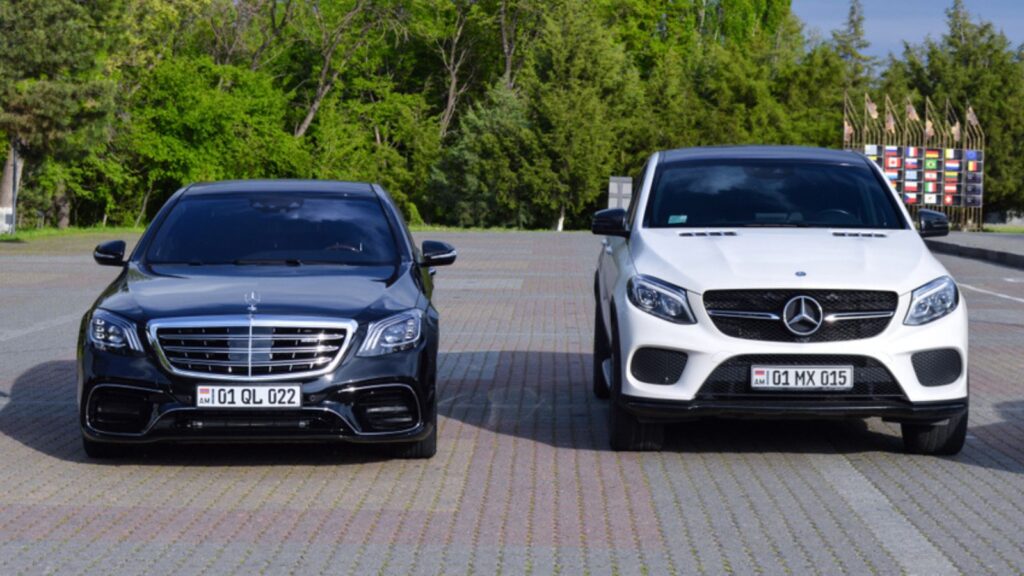
Another reason for keeping a car longer is families buying just one car. With expenses rising and family dynamics shifting from the work-from-home trend, more families opt to stick with one vehicle. In addition, families recognize that cars aren’t a good investment and choose to keep one vehicle for longer.
Advanced Safety Features

Safety features like collision detection and automatic braking keep modern vehicles out of accidents. At the same time, insurance companies write off newer vehicles because their advanced sensors and frames are more expensive to repair. The critical factor is that they are getting into crashes less often, which reduces the need to buy a new car.
Fewer Cheap New Cars

Currently, the cheapest new car in the United States is around $18,000. That’s up quite a bit from just over $10,000 in 2010. New cars just aren’t as affordable as they used to be. The affordable ones, including the Chevrolet Cruze, Hyundai Accent, and many more, went extinct.
New Cars Aren’t Very Private

New cars require user information and collect more data than older models. On top of that, they aren’t very good at keeping information private. It’s not uncommon for new vehicles to require owners to download apps that track driving habits. As a result, more and more buyers are beginning to question the data their cars collect. Unfortunately, the days of simple cars that only required a key to drive are gone.
They Aren’t Quite Ready for an Electric

62% of potential buyers are waiting for the range to go up and the price to come down before considering an EV. This anticipation means people are keeping their current vehicles until the change is visible.
New Features are Less Desirable

Some prospective buyers delay purchasing a new vehicle because they find new features annoying. Not all drivers are fans of auto start and stop technology meant to reduce emissions and gas consumption or continuously variable transmissions that control your driving.
Touchscreens
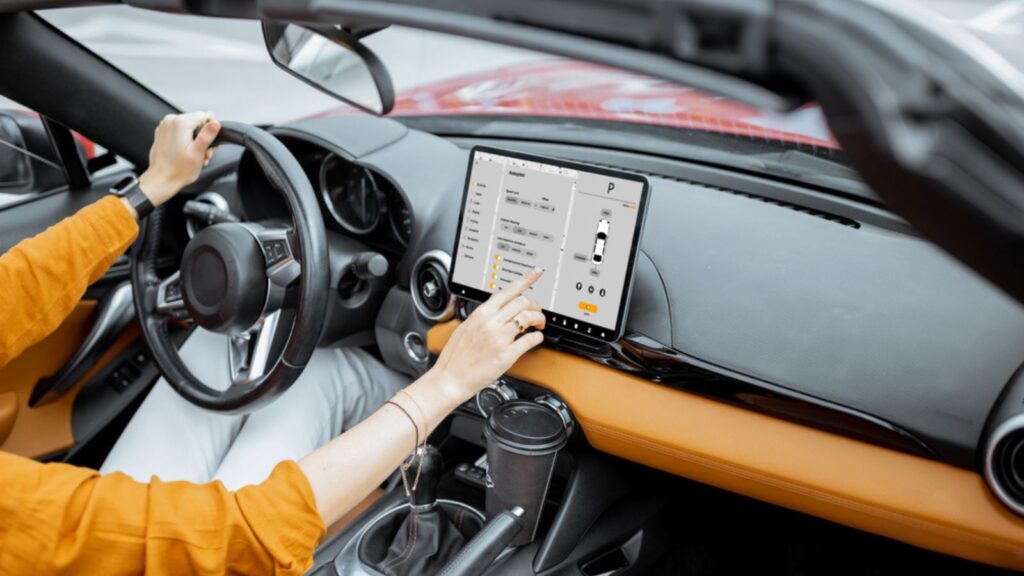
Touchscreens aren’t for everyone. Tesla started the trend, and other car manufacturers are following it. But that doesn’t mean everyone wants it, meaning some are keeping their older cars for longer just to avoid the inevitable technological upgrade that a new car comes with.
Gas Mileage Might Not Matter
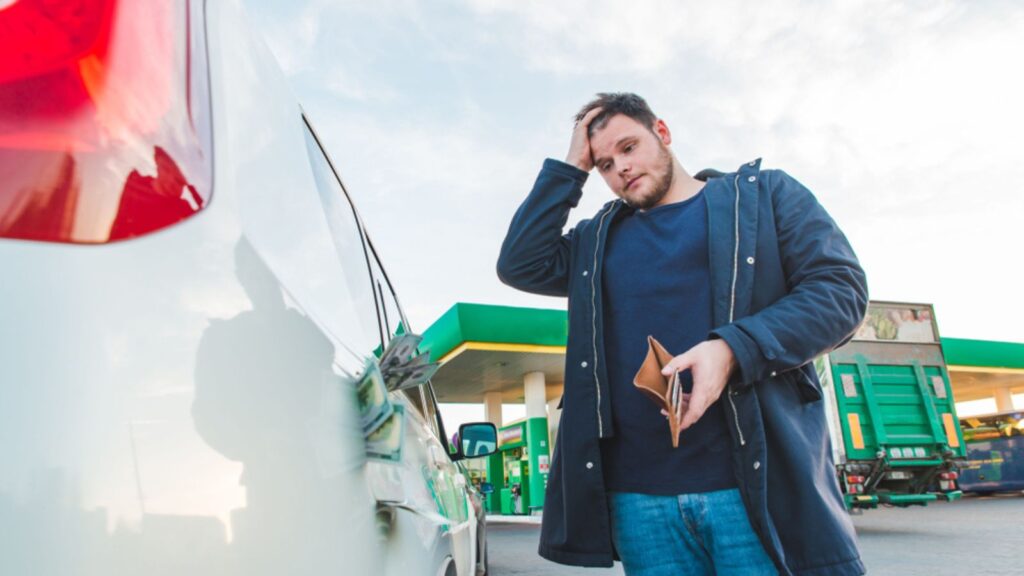
While fuel efficiency has improved by around 35% in the last 20 years, it’s not always enough to justify the cost of a new car. Upgrading to a more fuel-efficient vehicle may save around $350 annually in gas, but with the average new car payment at $734 per month, it’s clear that the fuel savings alone don’t offset the high costs of a new car. For many, keeping their current vehicle makes more financial sense.
Insurance Costs are Higher

Believe it or not, older cars cost less to insure. Newer cars are brimming with technology, and replacing sensors, computers, and batteries means insurance costs are higher.
Dealerships

Let’s face it: the experience of buying a new car isn’t always that fun, especially for shoppers who don’t enjoy excessive paperwork and negotiating. Dealing with salespeople, management, and finance staff is stressful and time-consuming, making you feel like replacing an older vehicle isn’t worth the time.
Interest Rates

Interest rates were low in 2020 during the pandemic but rose as high as 7.48% in 2023 as the Federal Reserve responded to inflation. High interest rates significantly impact how much you pay throughout a loan, stopping some shoppers from becoming buyers.
Ridiculous Prices
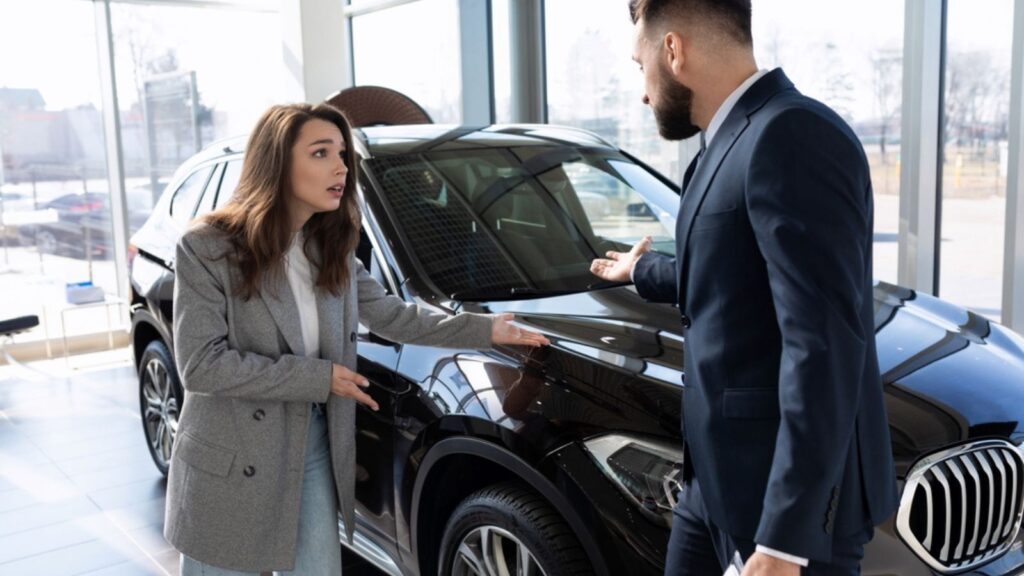
The costs associated with vehicle ownership are squeezing Americans from all directions. Insurance rates and gas prices are up, and fewer small cars are being produced. To top it off, new and used car prices rose dramatically in 2020 when COVID shut down production, keeping dealership lots bare. New cars are now 29% more expensive; used cars are about 34% more. Considering that the lowest MSRP is about $18,000, we’re talking about thousands of dollars.
All of this begs the question, when will new car prices come down?
Technology, Pricing, and Lifestyle Cause People to Hold Onto Their Cars Longer

There you have it. People are keeping their vehicles longer, and the trend isn’t changing anytime soon unless prices and interest rates fall. What’s keeping you from buying a new car?
More From Driver’s Drift

16 Used Cars That Will Outlast Most New Cars on the Dealership Lot

12 Affordable Sports Cars That Can Go Head-to-head With the Porsche 911

14 Cars That Consistently Fail Crash Tests

16 Used Cars Known to Last Over 500,000 Miles


