

For most aspiring car buyers, convertibles are seldom on their lists of preferred cars, and understandably so because sedans and coupes (fixed-roof cars) make more sense from a practicality and safety point of view. But once you can drive or be driven in one of them, you will understand why they are so desirable. Few things can make you feel as free and alive as when cruising down the highway on a warm Sunday afternoon with blue, clear skies above you, an open road ahead of you, and the wind blowing through your hair. So, you are not alone if you are debating whether to purchase a drop-top ride.
However, as you contemplate your next car purchase, it is also essential to consider some aspects of convertible ownership that could lead to buyer’s remorse. Here are fifteen of them.
When the Weather Is Acting Up

In harsh or unfavorable weather seasons, you’ll need to keep the convertible’s soft/hard top up most of the time to shield yourself and your loved ones from the rain, snow, cold, or wind. This takes the fun out of owning a drop-top ride.
Imagine having to endure such weather conditions for extended periods, e.g., when you are forced to move house because of work to an area that experiences inclement weather for the better part of the year. Most people in such a position are likely to trade their convertibles for fixed-top vehicles.
Practicality Issues

Most convertibles have bulky roof storage systems or mechanisms that occupy trunk space. Hybrid or electric convertibles may have even less storage space because their batteries are usually positioned behind the rear seats. Therefore, an average convertible’s trunk may only be able to accommodate small bags, collapsible or foldable items like umbrellas or compact strollers, or sports equipment like golf bags and tennis rackets. For example, a 2024 Mazda Miata’s trunk offers only 4.6 cubic feet of cargo space.
You may have to use a different vehicle if you need space for your large items or your entire family’s luggage. This is why many people who own convertibles also have other, more practical cars.
Easy to Vandalize

Because of their flashy nature, convertibles are pretty noticeable, and vandals can target them. This is especially so when the vandalizers have something against the people who drive the convertibles. Convertibles with soft tops are most affected because their tops can be cut or slashed using sharp objects without much effort. When you have had to repaint your convertible because of car keying ruffians or replace its soft top more than once, you are bound to have buyer’s remorse.
Higher Insurance Premiums

At times, buyers forget to consider the costs of insuring convertibles. Convertibles are costlier to insure than regular sedans or hatchbacks because they are pricier and are at a higher risk of theft and vandalism.
The average car insurance for a convertible car is $1,873, about $449 more than standard models. The price can also significantly increase depending on the make and model of these drop-top coupés. The payments can strain your budget and make the experience of owning these cars less thrilling.
High Maintenance Costs

The high-tech, automated soft-top or hard-top mechanisms that modern convertibles feature are fascinating to watch when engaged but a nightmare to deal with when they start to malfunction. Because they have several fragile moving parts, they are prone to wear and breakage, which means costly repairs.
Likewise, like most premium and luxury cars, convertible vehicle repairs are not done using generic parts. They require genuine OEM parts if you want them to function effectively and retain their appeal. You might also need to visit the convertible’s authorized dealership to ensure the highest quality standards, which means digging deep into your pockets.
Exposure to the Sun

One of the joys of driving a convertible is putting down its soft or hard top and bathing in the warm sun as you drive along. But as the Greek storyteller, Aesop once said, it is indeed possible to have too much of a good thing. Too much sun exposure can lead to nasty, uncomfortable sunburns. According to the American Cancer Society, it can even increase your risk of getting skin cancer and other health complications in severe cases. Once you have had one too many sunburns, the allure of driving an open-top ride will gradually fade.
Price Depreciation

In most cases, convertibles are emotional purchases, so most people who buy them don’t do so while considering their resale value. When the time eventually comes for you to sell it, you are bound to get a worse offer than you thought.
Convertibles generally have a high price depreciation. Because of their unique niche in the market, most buyers might avoid buying them due to the overall cost of ownership. That means you will have a hard time selling or trading it in, leading you to sell it at a low price.
Loud Noises

When driving with the roof down, you are exposed to the road, wind, and engine noise. There is also the noise of vehicles honking and screeching, the shouts and taunts of road ragers, and the roar of your car’s engine. It can all sound awesome initially, but after a while, it can become annoying, especially after a long, frustrating day at work.
Higher Fuel Consumption

You might also notice that your convertible consumes more fuel than cars in the same performance category. Going topless during a drive reduces its aerodynamics. With the car experiencing more aerodynamic drag, it requires more power to overcome air resistance, leading to more fuel consumption.
You must drive with the top up to improve your car’s fuel efficiency and performance. But that defeats the purpose of getting a convertible.
Poor Insulation
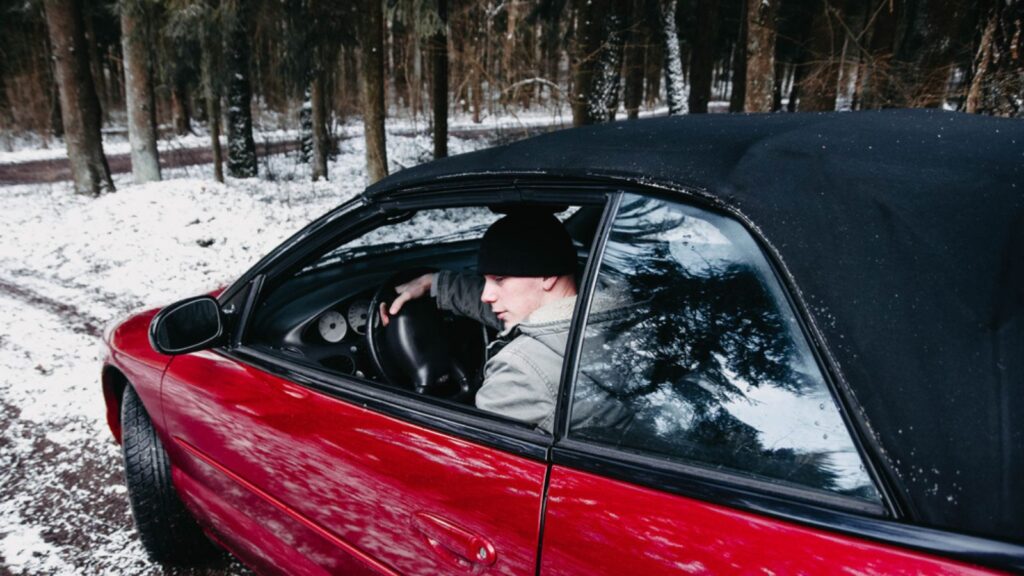
Most soft-top convertibles have poor insulation, which can be problematic during cold winters. While most hard-tops and fixed-tops vehicles come with thermal insulation to help maintain cabin temperature, soft-top convertibles can get cold drafts, making them unbearable to drive in winter.
Additionally, poor insulation in convertibles can lead to more cabin noise. Noise from the wind, external surroundings, and the engine becomes more perceivable. Most drivers can be put off by these noises, diminishing their experience.
Passenger Comfortability

Most convertibles, especially performance-oriented models, offer compact interiors with just enough legroom, hip room, and shoulder room for average-size adults, so tall or plus-size individuals may struggle to sit comfortably in them. In addition, most two-row convertibles feature cramped back seats that may only be ideal for children. Therefore, the excitement of owning a convertible may also wane with time because of the limited seating space in these cars.
Getting Distracted on the Road

Driving with the top down exposes drivers to external stimuli like wind, noise, and sights around them. There is also the risk of taking your eyes off the road to find the controls and the top-cover controls. This can easily lead to drivers losing concentration and increase their risk of accidents. But even more importantly, it can become annoying and spoil your peace when trying to have a restful driving experience. This may also lead to buyer’s remorse.
Weather Damage

Constant exposure to the sun’s UV rays can damage the car’s interior, but that’s not the end. When you leave the top down, even for a second when it’s raining or snowing, water can get into the cabin and ruin its electronic systems. While car seat and leather damage might be easy to repair, the same cannot be said for electronic systems.
Dealing with Leaks
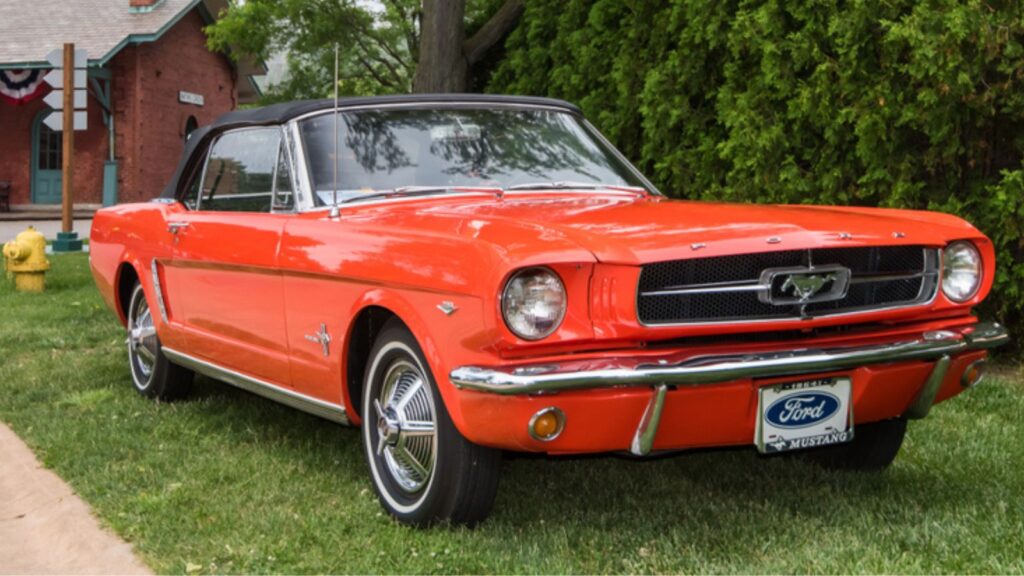
All cars leak when they reach a certain age, but convertibles are more prone to leaks because they have more gaps and channels held together by neoprene seals. The more seals are exposed to the sun’s rays, the more they weaken. Thus, with time, they split, shrink, harden, or crack, leaving gaps through which rainwater leaks into the cabin. A leaking cabin can be pretty frustrating and is bound to ruin your car ownership experience.
Poor Rear Visibility

While you may have the best rear visibility while the top is down, the same cannot be said when the top is up. Most convertibles do not have a rear window to view abstractions on the road. The limited field of view can increase the risk of accidents for drivers while trying to reverse or change lanes. After one too many reversing incidents gone wrong, you may find yourself rethinking the whole idea of owning a convertible.
Convertibles are Not Made the Same

The above circumstances may only sometimes occur during your convertible ownership experience. If you are considering buying a convertible, do your research comprehensively and ask realistic questions like “Is it comfortable enough?” “Is it practical enough?” “Will it cost you too much to run or maintain?” and “Will it fulfill the purpose you intend for it?”
If you can be honest enough with yourself enough that you have addressed all these questions, you may substantially delay any feeling of buyer’s remorse.
More From Driver’s Drift

12 Things Car Salespeople Don’t Want Customers to Know When Buying a Car, According to Car Salespeople

16 Things You Should Never Say to a Salesperson at a Car Dealership

15 Used Cars To Steer Clear of at All Costs

17 Hybrids to Avoid at All Costs


Mark Muhoro is a car enthusiast and writer who loves everything about automobiles. With over 11 years of experience in the automotive industry, Mark has become an expert in how cars work and what makes them special. He writes clear and interesting articles about cars for magazines and websites, making valuable contributions to renowned platforms like Vroom Magazine, Internet Brands, and Contentmotive.


