

Luxury cars should have superior build quality and offer above-average performance. The perception surrounding these vehicles is that they are specially crafted to provide the best of both worlds. Surprisingly, some luxury vehicle manufacturers sit on their hands regarding the above, including cutting corners to save money. But with a keen eye, you can easily spot the creations of automakers who cut corners. Here are some examples.
Tesla Model 3

The fact that the Tesla Model 3 is on this list may be surprising, as Tesla is known for excellent build quality, performance, and style. While it has been a pacesetter regarding technology and general performance, its interior materials may feel a bit run of the mill. The cabin is full of plastics and basic finishes that one would expect in brands that are fit for function only. It also has few physical controls, forcing its driver to focus on the touchscreen rather than the road. This overdependence on the central touchscreen makes the model problematic.
BMW X1

The X1 is BMW’s smallest SUV. It should feature the same standard of quality found in the interior of its other models, but unfortunately, it feels smaller than other models in its segment. It features basic, average-quality materials, which is not what one would expect in a luxury car. Its suspension isn’t up to BMW’s standards either, being a little too stiff for one’s liking. This can lead to harsh impacts over rough surfaces.
Mercedes Benz G Wagon

The G Wagon is one of the most expensive Mercedes models, so it is expected to have the best of everything. Unfortunately, this is not the case for handling and ride quality. The G Wagon is built using an older body-on-frame structure, which is surprising considering its cost. This has led to a harsh ride compared to luxury SUVs in the same segment. Its boxy design also limits aerodynamics, which results in poor handling and fuel economy.
Cadillac XT4

The XT4 is a great luxury vehicle, but Cadillac compromised on the performance front. While the comfort and technology packages are what one would expect, the engine feels slightly underwhelming for its class. The turbocharged 2.0-liter engine provides 237 horsepower, which is less than its European manufacturing rivals.
Jaguar XE

The Jaguar XE is marketed as a luxury compact sedan, but its cabin in terms of fit, finish, and materials does not match, considering the price tag. Unfortunately, these issues also extend to performance; the XE is prone to engine problems, including turbocharger failure and oil leaks. It is also common for the infotainment units and electrical systems to have faults.
Audi Q5

The Q5 is a competent luxury SUV popular among middle and high-income demographics. However, the base level does not offer the best features, forcing buyers to upgrade to higher trims to access attributes that typically come standard with cheaper models. Limited legroom in the rear is also a problem, making it less than practical as a family SUV.
Maserati Ghibli

The Ghibli is a stylish luxury model featuring outstanding performance and handling. However, due to non-premium materials, the interior is a cost-cutting red flag. The brand also used a rebranded version of the Chrysler Uconnect system, which is outdated and lacks the polish that would be expected in such a vehicle.
Lexus UX

As a premier subcompact crossover, the Lexus combines bold design, all-wheel drive performance, and seamless connectivity. It makes for a comfortable ride but is not as plush as the larger Lexus models. That said, the material quality is average, featuring one of the smallest cargo spaces within its segment at 17.1 cubic feet. As with other models, the UX also lacks refined sound.
Range Rover Evoque

Range Rover is known for its build quality, performance, and off-roading ability. Surprisingly, Land Rover does compromise on particular elements. There are inherent design flaws because of its style, which is present in rear visibility. This makes it challenging to drive in tight spaces.
Lincoln MKZ

The MKZ appears luxurious from the outside but is a bit too cozy inside. It has also been criticized previously for using materials and gear found in typical Ford models. This may have been done to save money, but it does not do the MKZ any aesthetic favors. The 2.0 L EcoBoost engine also provides a lackluster driving experience, making it feel like a dressed-up average sedan.
Volvo S60

The Volvo S60 boasts a modern Scandinavian design, premium comfort, and quality materials. Unfortunately, the luxury sedan has tight rear legroom, which makes it problematic for adults. This is not what one would expect from a luxury sedan. The Sensus infotainment system can also be slow and lacks the intuitiveness seen in the systems of competing models.
Acura ILX

The Acura ILX is an entry-level luxury sedan with a stylish exterior and ample cabin space. Unfortunately, because it’s based on an old Honda platform, its interior looks and feels outdated with its archaic design and average-quality materials. Similarly, the tech features are a bit dated for a model within its class.
Porsche Macan

The Porsche Macan was a great addition to the luxury crossover segment, providing performance, comfort, and style. However, the Macan is significantly light on luxury attributes at the base level, so customers often have to opt for top trims or buy add-ons for the best experience. Considering its price point, the Macan should offer more in terms of space and infotainment.
Genesis G70

The G70 features classic sport sedan styling with excellent safety features and high-end infotainment technology. Though it has luxury appointments and good driving dynamics, it fails regarding rear spacing. This makes it hard for adults of average size to be comfortable in the back. The G70 also features 10.5 cubic feet of trunk space, which is undersized for a luxury vehicle in its class. It’s suitable for carry-on luggage but not for serious storage.
Alfa Romeo Giulia
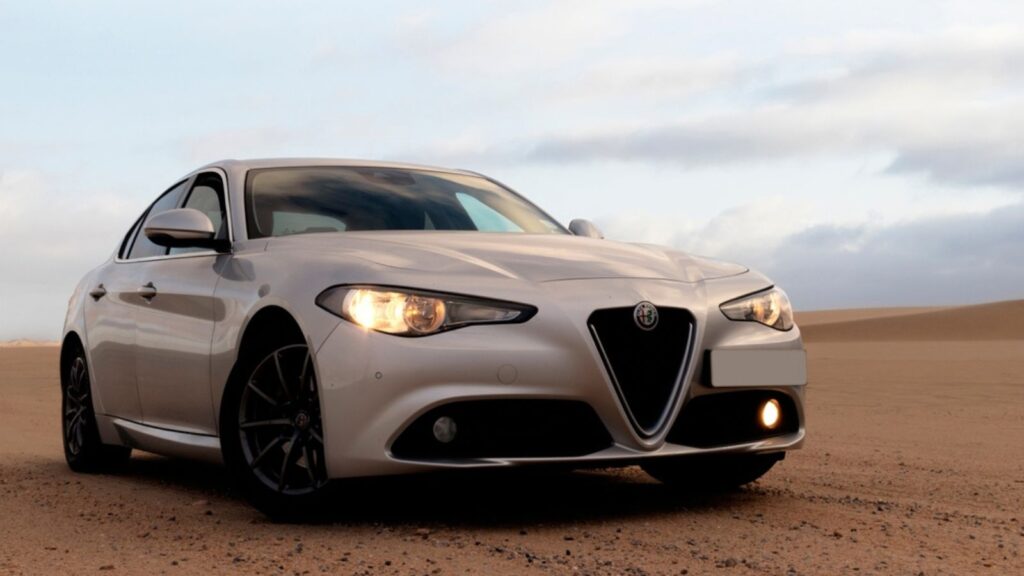
The Giulia is classified as a best-in-class sports sedan that couples performance with a premium driving experience. An exotic Italian sports car, it may excel in terms of driving dynamics, but its build quality is inconsistent considering its other attributes. The Giulia’s materials are not as upmarket as its rivals, like the 3 Series or the C Class.
Cadillac ATS

The Cadillac ATS is classified as a compact luxury sedan that is fun to drive and features sharp handling. These great attributes are in league with the new breed of Cadillac models that cater to the performance-oriented market. However, this may come at a price, considering the turbo four-cylinder engine is described as noisy and not very fuel efficient. The back seating and the trunk are also small compared to others in the same class.
Lexus lS

The Lexus IS is a subcompact luxury vehicle that combines aggressive styling with connectivity and performance. Unfortunately, while it is known for high-level reliability, the Remote Touch Infotainment system can be challenging to use; it’s dated compared to other models within the same class. Rear legroom is also a bit tight, making it a squeeze for adults.
Conclusion

Most luxury models are designed with style and performance in mind. Manufacturers heavily invest in these categories as they’re the first features most buyers consider. However, it’s disappointing when luxury vehicles look good on the outside but feature outdated appliances or materials on the inside. Brands may be trying to save money, but it paints them in a bad light, especially if it affects the vehicle’s overall reliability.
More From Driver’s Drift

GM Recalling 450,000 Trucks and SUVs: Here’s What You Need to Know

15 Used Cars To Steer Clear of at All Costs

15 Vehicles That Leave Owners With Buyer’s Remorse

15 Things Boomers Taught Us About Cars Which are Totally Wrong Today


Mark Muhoro is a car enthusiast and writer who loves everything about automobiles. With over 11 years of experience in the automotive industry, Mark has become an expert in how cars work and what makes them special. He writes clear and interesting articles about cars for magazines and websites, making valuable contributions to renowned platforms like Vroom Magazine, Internet Brands, and Contentmotive.


