

Electric vehicles (EVs) are revolutionizing transportation, mainly by cutting carbon emissions. However, despite the positive trends, some challenges remain, like limited driving ranges, long charging times, and inconsistent charging costs.
This article explores fifteen frustrations you’ll likely encounter with electric cars.
Limited Driving Range

As an EV owner, you’ll likely experience “range anxiety” at some point during your daily drives, where you fear running out of battery while on the road.
Americans are used to driving their cars to wherever they want without worrying about finding a gas station for a quick fill-up. After all, there are around 196,643 in the country. However, with EVs, you might have to worry about how far you can travel before finding a charging station and then wait through a long charging session.
Most EVs can travel 200 to 300 miles on a single charge in temperate weather conditions. That is plenty, considering Americans drive an average of 36 miles daily. But for long days on the road, driving vacations, or weekend getaways, you may need a charge every 3 to 4 hours.
Longer Charging Time

Charging an electric car takes much more time than refueling a gasoline or diesel car, even when using a rapid charger, which can take up to 30 minutes to recharge the battery to 80%.
Sometimes, you may have to wait even longer if the charging point’s output is lower than your vehicle’s charging rate because it will charge slower. Longer charging time is the most significant concern if you have several daily errands to run.
Lack of Enough Recharge Points

Some areas may have enough charging points, while in others, you might require more time to find one. Such infrastructure issues can contribute to drivers’ range anxiety, so you need a bit more planning if you’re headed out for a long drive.
Charging your EV at home minimizes the stress that comes with public charging. However, if you live in an apartment, parking garages are rarely equipped with charging outlets because such infrastructure is costly.
Additionally, the electric costs incurred at the residential outlets may be something to worry about. EV charging consumes more energy, and necessary systems must be installed to ensure each EV owner pays for their electricity usage.
Battery Degradation
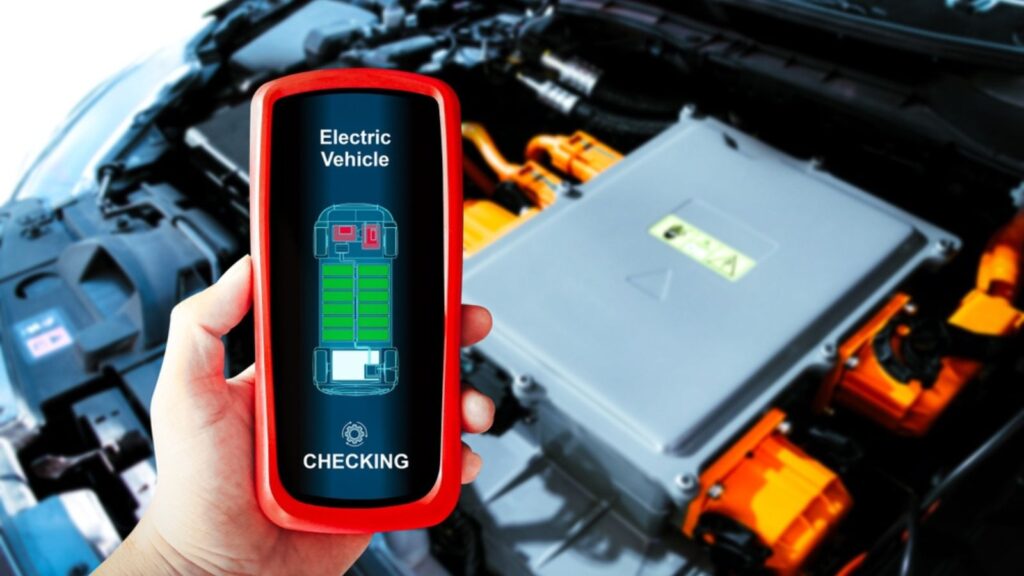
Battery degradation significantly impacts the lifespan and performance of electric vehicles. How you drive your car can wear down the battery faster. Factors like rapid acceleration, frequent braking, and exposure to extreme temperatures can lead to a noticeable decline in energy capacity and efficiency.
The geographical area and climate where you operate your vehicle can worsen these issues, emphasizing the need for proactive care.
Charger Compatibility
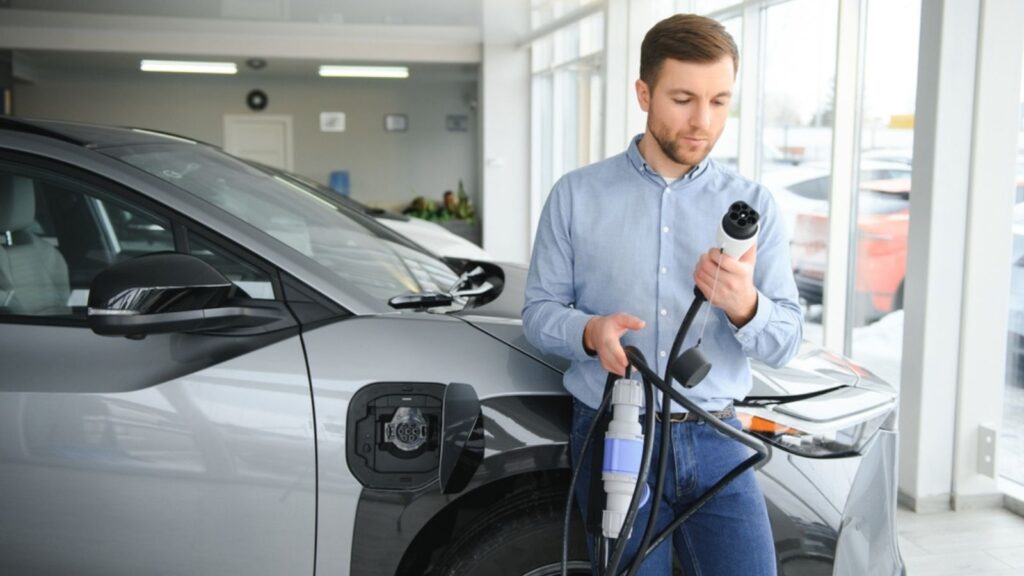
Charger compatibility is another big challenge you may face at public charging stations because there are three different varieties of DC fast chargers used by various auto manufacturers. These are CHArge de MOve (CHAdeMO), used by Nissan and Mitsubishi; the SAE Combined Charging System (CCS), used by most manufacturers; and the Tesla Supercharger, which is only available to Tesla drivers.
Adjusting to EV Lifestyle

Adjusting to the EV lifestyle dictates a slower pace, unlike in the gasoline or diesel engine, where you can refuel in a few minutes and get back on the road.
There are three primary EV charger levels, each with different charging hours depending on its speed. Level 1 chargers use a standard 120V plug and charge most vehicles overnight, but extra-large batteries can take 20 hours or more to charge fully.
Level 2 chargers use 240V plugs; most public charging stations are Level 2s. Depending on battery size, these chargers can fully charge the car battery in as few as 3-4 hours or as much as 10-12 hours.
Level 3 chargers use 480V direct current (DC) to provide the quickest possible charge. A DC fast-charging station can take 30-60 minutes to charge an EV battery to 80%, which sounds fast until you consider how much time that can add to longer journeys.
Inconsistent Pricing

Unlike gas stations, where the fuel price is set per gallon, EV charging can follow several different pricing schemes, leading to inconsistent pricing and sometimes high costs.
Public charging station pricing schemes have included per-session fees, per-minute fees, and tiered pricing based on a vehicle’s max charging speed. This differs from the home charging price, which utility regulators set at consistent rates per kilowatt-hour (kWh). Inconsistent pricing can lead to frustration and negative experiences.
Missing Out on the Driving Experience

Electric cars use a single-speed transmission, making the driving experience less engaging than when you’re in control of the gears. Also, these cars are much heavier than their petrol or diesel counterparts because of the battery packs, which affect their performance.
Expensive Battery Repairs or Replacement

Batteries are the heart of an EV because they store electricity and power the car, making it run. This makes them some of the most expensive components in EVs.
While it doesn’t happen often, batteries can break down or need repairs, attracting higher charges depending on the damage and the model.
Purchasing your vehicle from manufacturers with batteries backed by a warranty promise of a few years can save you a lot because they provide a free replacement. However, if your battery warranty has expired, you’ll have to pay around $7,000 to nearly $30,000 for replacement if it fails.
Difficulty Finding a Technician

The EV industry is currently small, so there are few trained EV repair technicians and qualified independent shops. Working on an EV can be dangerous for an untrained technician, so you’ll have to rely on the dealer for service as an EV owner if you don’t find a qualified one. If you find one, you’ll pay higher charges because EV repairs costs 28% more than ICE repairs.
Cold Weather Issues

Research suggests that drivers can expect 15 to 20% fewer miles in the winter than in summer. The range can be reduced even further in icy conditions because batteries hold less charge in cold environments. Cold weather also increases charging time, so you’ll have to add a little longer to your journey time to account for the charging period.
Freezing temperatures slow down the chemical reaction, slowly weakening the battery’s power and reducing its lifespan.
Limited Towing Capacity

Electric cars are heavier due to their batteries. This limits their towing capabilities, making them less appealing if you need to tow trailers or heavy loads. Suppose you go further to haul your heavy loads; the increased weight adds more strain to the electric motors, negatively affecting the range.
Home Charging Installation Costs

A home charging station is the best investment, as it will save you from long waiting hours or the stress of finding a charging station. However, installing these stations is quite expensive. For instance, level 1 charging equipment costs about $300 to $600, and labor can cost $1,000 or more.
Level 2 charging equipment ordinarily costs about $500 to $700, although some can be more expensive. On the other hand, level 3 chargers cost about $12,000 to $45,000.
Older homes may still need updates to electrical setups to work with a Level 1 charger. For instance, if the plug is too far from the distribution box, it must be updated with higher-gauge wiring to avoid losing too much current.
Many modern homes could also need electrical work as most level 2 chargers used for homes require 240-volt circuits. Such circuits are not common in homes unless specifically installed for large appliances. Installing a commercial-grade Level 3 EV charger could require even more upgrades, and the cost may vary depending on your location and property.
Charging Etiquette Issues

At public charging stations, you may find people hogging charging spots by leaving their cars after they’ve charged or using fast chargers unnecessarily. This can lead to increased hours of waiting, which may affect your daily activities.
Poor charging etiquette may sometimes be influenced by grid capacity when there is higher traffic at the charging stations. Increased grid strain may lead to a slower charging rate, making some drivers impatient.
Experts vary on how much additional power we’ll need, but the U.S. Department of Energy has predicted a 38% increase in electricity consumption by 2050, primarily due to EVs.
Insurance Costs

Insurance companies often charge higher premiums for electric vehicles due to several factors. First, these cars have higher repair costs due to advanced technology like regenerative braking and larger batteries. Since few mechanics are experienced in EV systems, insurance may include access to specialized repair shops, which can add to the repair costs.
Second, electric vehicles (EVs) are quieter on the road, which could increase the risk of pedestrian accidents. Insurers are also taking note of this unique risk.
Are Electric Vehicles the Optimal Solution for Daily Transport?

Despite the frustrations you’re likely to encounter with electric cars, driving them has many benefits. First, you drive the latest technology and pollute less, leading to a better environment. Electric vehicles are also quieter and smoother than standard petrol and diesel cars, which some argue guarantee a better driving experience.
More From Driver’s Drift

12 Things Car Salespeople Don’t Want Customers to Know When Buying a Car, According to Car Salespeople

16 Things You Should Never Say to a Salesperson at a Car Dealership

15 Used Cars To Steer Clear of at All Costs

17 Hybrids to Avoid at All Costs


Peterson is an automotive content writer, blogger, and copywriter who is passionate about turning automotive experiences into compelling words. He developed an interest in cars at a young age and, upon reaching adulthood, mastered the ability to simplify complex automotive topics and present them engagingly.


