
Electric vehicles are the next step in car evolution, considering the apparent advantages. Aside from the obvious benefit of never buying gas, these cars have been associated with advanced technology, self-driving, and futuristic styling.
However, not all electric versions have succeeded in the market compared to how they started as internal combustion models. It could be for various reasons, including insufficient battery capacity to offer adequate range or being priced at a significant premium relative to the ICE variant. The result is that some of these EV models have performed relatively poorly for the years they have been in the market. Here are a few standout models.
Fiat 500e
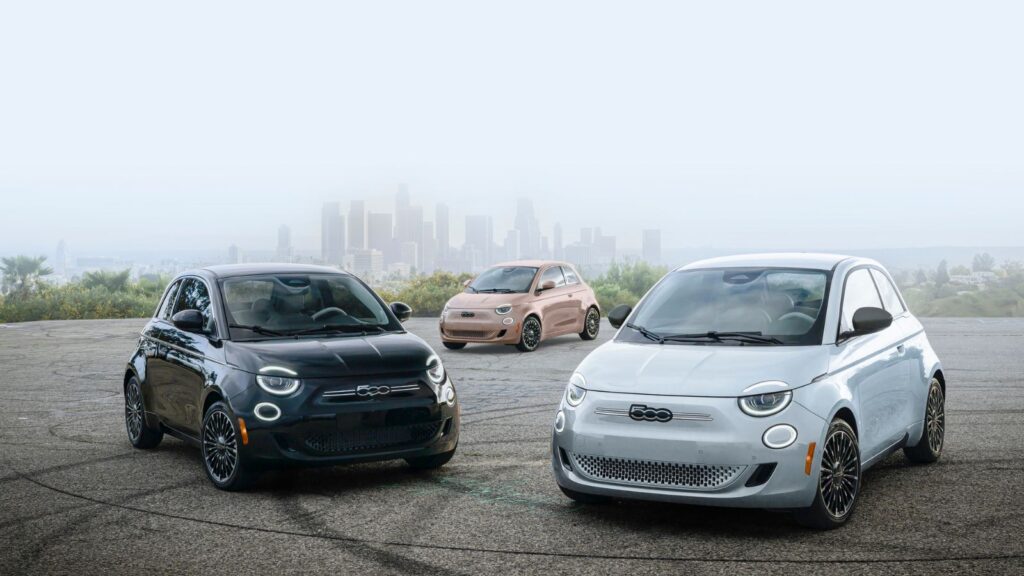
The Fiat 500 is also a well-renowned car used by all age demographics. Its EV variant was fun to drive as well, but the range was an issue at less than 100 miles. The model was also only available in California, reducing potential wider use.
Surveys also indicated a reputation for electrical problems, which cannot be ignored in an EV. It was discontinued in 2019 in North America, though the parent company restarted both the ICE and EV versions in 2022.
Ford Focus Electric

The Ford Focus has a rich history that spans back to an era when Ford was trying to revamp its offerings. Its injection into the market provided a hot hatch that did well on the rally circuit. The electric vehicle variant came along in 2011, and the manufacturer essentially shoved the electric vehicle components into the IE platform.
One of the drawbacks this led to was a range of 115 miles. That and the higher price of electric vehicles scared potential customers away. The model was discontinued in 2018.
BMW i3

When introduced in 2013, the BMW i3 model had great potential. Unfortunately, it did not perform well, considering its high price and the fact that it deviated too much from the brand’s values. Its sizing also did not fit the regular driver in the three-series models. Though significant rebates were offered for the initial models, they did not achieve much success, and the car was subsequently discontinued in 2022.
Honda Fit EV

In 2012, Honda initiated the Fit EV, an all-electric version of the hatchback released in the United States and Japan. Unfortunately, the model did not develop to its full potential within the market. It was only made available through a lease program and limited to use in California. The model did not achieve the required popularity that would make it a serious contender to the ICE Fit. It was discontinued in 2015.
Chevrolet Spark EV

The Spark EV was a small, sporty model. Unfortunately, its minor nature and 82-mile range made for a non-motivating offer. It was also only available in specific markets, making it less appealing to the national market than the regular Spark. It was then discontinued from production in 2016.
Mercedes Benz B Class Electric

The Mercedes-Benz B-Class Electric Drive was introduced to the market in 2015, featuring a range of about 85 miles and a 36-kWh lithium-ion battery. These specifications were considered underwhelming compared to its gasoline counterpart, which offered better performance and versatility.
The price of the B-Class Electric was also higher, retailing around $41,450, while the gas-powered version started at approximately $33,500. This price disparity and the limited range did not resonate well with typical buyers. The B-Class Electric Drive was discontinued in North America after the 2017 model year as Mercedes-Benz shifted its electric focus to other models in their lineup.
Toyota RAV4 EV

Toyota introduced the electric version of the RAV4 as early as 2002. However, it did not gain as much traction as its cousin, the Prius, which became much more popular. The high cost and limited availability of the RAV4 EV led to a lack of interest in the market compared to the gas-powered version.
The later models had an EPA-rated range of 103 miles, which, while respectable, was not enough to inspire widespread consumer confidence. Toyota discontinued the RAV4 EV in 2014, as it did not meet the sales expectations set by the successful ICE RAV4.
Smart ForTwo Electric Drive

Most compact EVs are made for typical urban operation. However, the Smart ForTwo’s ultracompact design and low range of 68 miles made it risky for highway driving. It was well-suited for city drives, but it would be unreasonable to claim that it would meet the needs of a broader market that requires versatility beyond city limits.
Due to these practicalities and poor market performance, Smart discontinued the ForTwo Electric Drive in 2020, with plans for a potential relaunch in the future.
Kia Soul EV

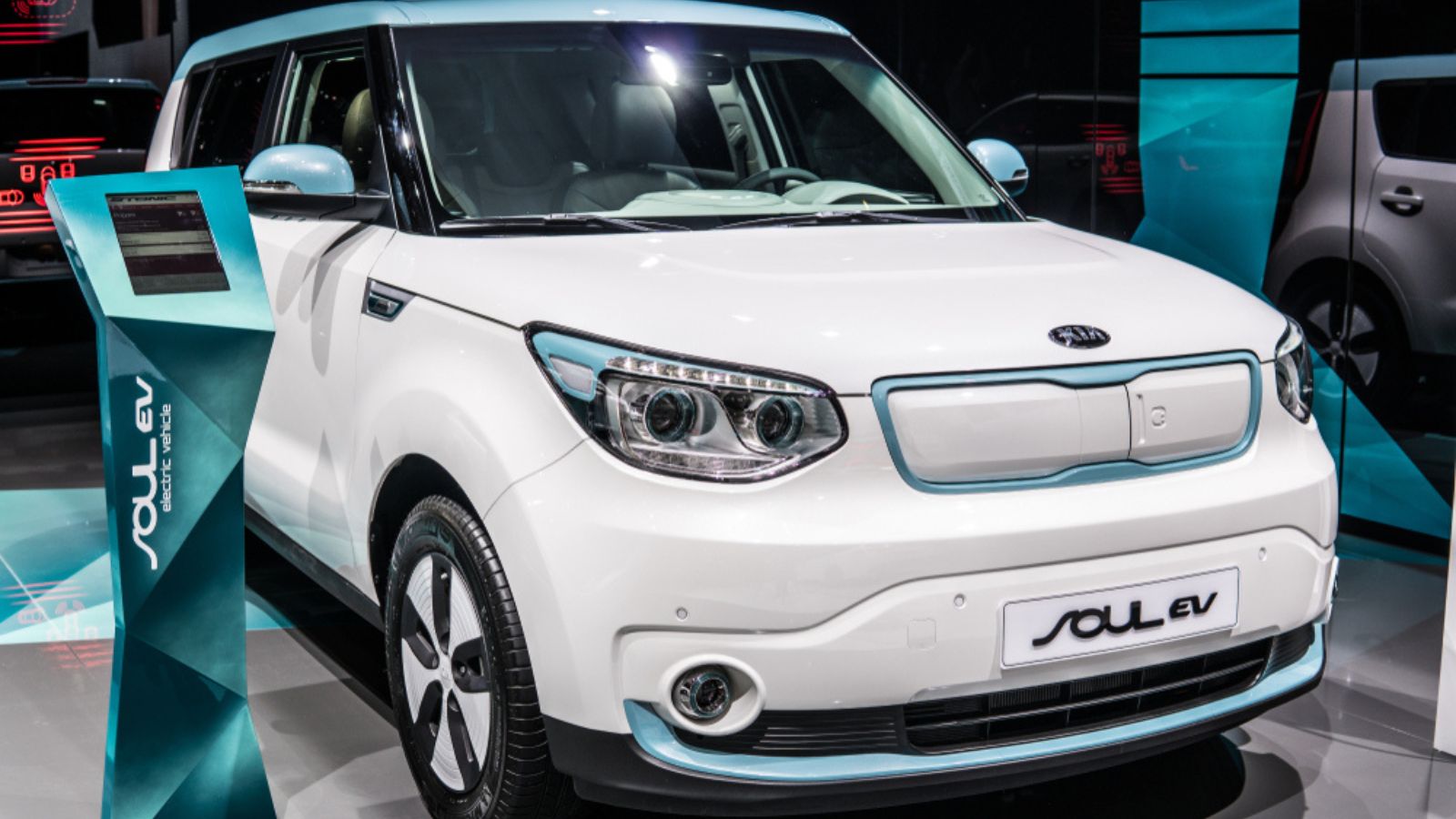
The Kia Soul had a few problems when first introduced to the market. Some EV units had an issue with electrical short circuits between the battery anode and cathode. These increased the fire risk to the battery pack. Earlier models of the Soul EV also had a small range of 111 miles, making it significantly less competitive than the gasoline versions, which provided much better flexibility. Kia discontinued the model line in 2023.
Volkswagen E-Golf

The Volkswagen e-Golf was introduced as a variant of the well-established model but did not have significant success. Part of the problems it experienced included battery management system failures, which could lead to reduced range and performance. The designated range was 135 to 280 kilometers, which is insufficient to take on Tesla’s competitors. At the time, some owners also reported issues with the onboard charging. Volkswagen discontinued the production of these vehicles in the first quarter of 2020.
Nissan NV200 Electric

The NV200 is one of the most utilized van brand models. Unfortunately, one of the main concerns with electric vans is that they tend to lose battery capacity and driving range over time. The NV200 already had a short range of 124 miles, which made it a poor option for long hauls. It also had a higher price point, so it was not the most compelling option for users in the commercial space. Nissan discontinued both the NV and NVe models in 2021.
Mazda MX-30 EV

The Mazda MX-30 EV was introduced in 2020 as an all-electric version of the initial subcompact crossover. It did not achieve significant success, though, due to its limited 100-mile range, which was significantly shorter than that of its competitors in the same segment. However, its counterpart, the CX-30, has been able to offer better flexibility, fuel efficiency, and a reduced cost, which made the EV a tough sell. The Mazda MX-30 EV was discontinued in 2023.
Audi A3 e-Tron

The Audi A3 e-Tron was introduced as a plug-in hybrid that combined the benefits of an electric vehicle with the practicality of a gasoline engine. Despite its innovative design, the model struggled to gain traction in the market, primarily due to its limited electric-only range of approximately 31 miles. This range was significantly lower than that of competing hybrids and electric vehicles, which hampered its appeal to consumers seeking a more sustainable option. As a result, the A3 e-Tron was discontinued in 2018 as Audi focused on expanding its fully electric offerings.
Mitsubishi i-MiEV

The i-MiEV was one of the first mass-marketed electric vehicles. While it was innovative for its time, its design quickly became outdated compared to newer EV models. The i-MiEV offered an EPA-rated range of about 62 miles, which was significantly lower than many competitors that emerged later. Additionally, its slow charging capabilities and limited interior space made it less attractive for consumers. Mitsubishi discontinued the i-MiEV in 2017, opting to focus more on competitive electric offerings.
Opel Ampera-e

The Opel Ampera-e was introduced to the market as a rebranded version of the Chevrolet Bolt, featuring similar specifications and capabilities. It may have been initially promising because of the decent potential range, but other issues affected its overall success. Among them was limited availability: the Ampera-e faced limited production.
It was also highly priced compared to others, even with subsidies considered. The Opel Corsa and Astra, have fared better in terms of availability and longevity. Opel discontinued the Ampera-e in 2020.
Some Models Just Weren’t Meant to Be

Most electric vehicles that did not make it into the market had issues related to range or pricing. Range is a key factor that attracts consumers to EVs as it demonstrates how far one can use the vehicle before needing to recharge. Longer ranges are practical with the current customer base due to the growing utility needs of vehicle owners.
Similarly, a favorable price point tends to attract buyers who are seeking a change from gas-powered vehicles. Models that managed to combine these incentives with better tech or styling have thrived in the market and show the potential to usher in the new EV era.
More From Driver’s Drift

15 Continuously Variable Transmissions (CVT) Cars That Are Worth Your Investment

13 Cars Owners Wish They’d Never Purchased

14 Sedans That Make More Sense to Own Than Crossovers

12 Secrets Car Salespeople Would Prefer You Didn’t Know When Buying a Car


Mark Muhoro is a car enthusiast and writer who loves everything about automobiles. With over 11 years of experience in the automotive industry, Mark has become an expert in how cars work and what makes them special. He writes clear and interesting articles about cars for magazines and websites, making valuable contributions to renowned platforms like Vroom Magazine, Internet Brands, and Contentmotive.


