

The used car market is flooded with bad deals, offering vehicles with major safety defects. So, buying one is like a high-stakes gamble. But if you have already rolled the dice on your ride, here are 17 signs that could signal you have landed a sour lemon.
Seller Was Evasive

Nobody knows the car better than the seller themself, and if you did pick up on an evasive attitude from them, you likely got yourself into a fishy deal. A seller who appears to be holding back information when you ask for maintenance records, the vehicle’s history, or suggests you skip a pre-purchase inspection could be hiding a scary tale associated with the car.
Poor Gas Mileage

You bought a used Prius that the seller claimed to be as good as new, but the car appears to be consuming so much gas that the tank feels like a bottomless pit. Lemon alert: bad fuel efficiency means defective O2 sensors, spark plugs, clogged fuel injectors, etc. This comes standard with a worn-out ride.
Mismatched Paint

It is a no-no if your ride experiences a color crisis when the sun shines. Different shades of paint on the hood or doors could be flashbacks of past accidents that weren’t repaired with attention to detail. Such inconsistencies may point the finger at deeper issues, as accidents severe enough to require new point jobs often cause underlying structural or mechanical damage.
Rust

The red flag will only get redder if you find rust patches on the vehicle’s body, undercarriage, or around the engine. Rust is fond of eating the car and can weaken its structural components over time, leaving you with expensive repairs.
Leaking Fluid

It is also a warning bell if you have noticed oil stains on your driveway after purchasing a used car. Leakage, whether oil, coolant, or transmission fluid, is a major oops and leads to severe damage. Since you can’t claim a return for this lemon, you have to sacrifice more bucks for the repair bills.
Strange Noises

If your used car likes to make knocking, grinding, or squealing noises, it could be screaming, “I need more money.” You can expect major engine issues like worn bearings in connecting rods or uneven combustion. Apart from the motor, it could also be an unhealthy transmission. Trust us, these noises won’t be cheap to get rid of.
Electrical Issues

Another regret trigger could be coming from the vehicle’s electronics. You need headlights at night, but your car refuses to switch them on. Radio would make the experience pleasant, but that is not in the mood to operate either. The same goes for power windows, and the list of failures continues. Such issues could lead to broad electrical headaches.
Overheating

Frequent temperature spikes could also mean you’ve got a lemon. If driving just 5 miles away from your home causes heat surges under the hood, the cooling system might die, or severe problems can be associated with the car’s engine. Either way, this is something your bank account will not like.
Worn-Out Interior
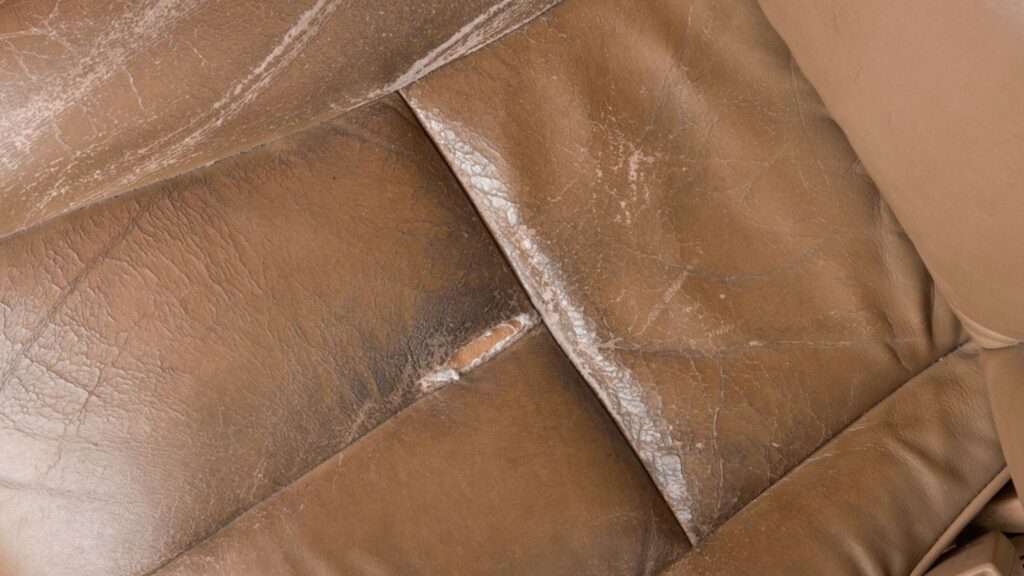
You bought a low-mileage ride with a scratchless body, but the interior is busted for some reason. This is another lemon alert for you. Torn seats, scuffed dashboards, sagging headliners, or worn pedals reflect negligence and indicate that the car’s odometer may have been tampered with.
Unresponsive Steering

A lazy wheel is a bad sign and highlights a faulty power steering system, wheel alignment, or suspension. These issues are costly to restore and invite safety risks, especially at high speeds.
DIY Modifications

A professional should handle mods like cool body kits, sunroofs, etc. However, it could indicate trouble sign if the owner self-proclaimed themself an expert and did this as a DIY project. For example, a bad attempt at adding aftermarket lights and sound systems could lead to wiring issues, short circuits, or even fires. Similarly, poor suspension mods might ruin your vehicle’s handling.
Can’t Be Insured

Insurance is essential, even for a used car. However, if your vehicle is a lemon, securing coverage can be challenging. Insurance companies often hesitate due to the car’s questionable history, viewing it as a risky gamble rather than a safe investment.
The Price Tag Was Too Low

Getting a car for a fraction of its original price is like stepping into a trap intentionally. If your used ride had a price tag labeled “Too Good To Be True,” you can expect costly repairs at any time now. In short: too low, too risky. It’s as simple as that.
Smoke from the Exhaust

Colorful smoke coming out from your tailpipe could be a sign of trouble. Blue smoke indicates that the engine oil is burning, piston rings and valve seals are about to retire, or the combustion chamber is flooded with oil. White smoke appears when the head gasket is blown, the engine block is cracked, or the cylinder head is damaged. Similarly, black smoke signals the engine is burning too much fuel.
Check Engine Light
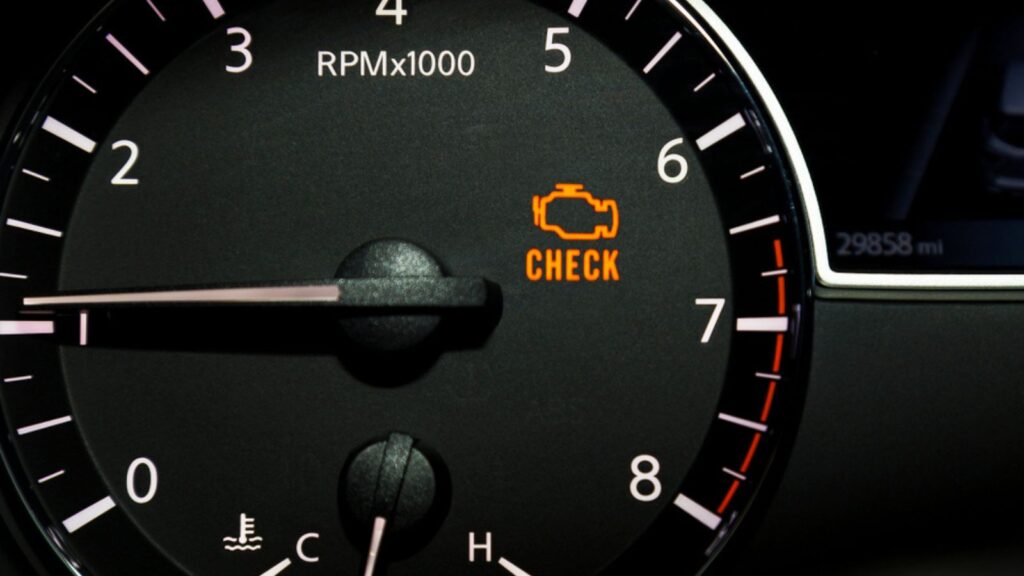
The ‘check engine’ light signals trouble under the hood. If you get lucky, the issue will be as simple as a loose gas cap; otherwise, you can expect costly engine repairs. But even after draining your wallet, a persistent ‘check engine’ light could mean you have been ripped off.
Premature Wear on Belts & Hoses

Have the belts and hoses under the hood turned into rubber rot before their expected lifespan? Early wear screams poor maintenance or hidden issues that could lead to bigger problems. In an overly used car, premature wear of these vital components is common.
Repeated Breakdowns

Still unsure what a “lemon” is? It’s a vehicle plagued with so many defects that it can never run smoothly, no matter how many times it’s repaired. If your car is constantly breaking down, you’re likely dealing with a red flag on four wheels, destined to keep you and your mechanic far too familiar.
More From Driver’s Drift

15 Reasons to Avoid Automatic Car Washes at All Costs

15 Compelling Reasons to Avoid Buying a Car With a Sunroof

14 Items You Should Never Leave in Your Car

Zainab Noor is a motoring journalist. Childhood rides in Nissan Almera fueled her love for cars. After graduating from AIOU in 2021, she steered her passion into freelance writing. You can find Zainab on LinkedIn.


