

Do you know when we are more likely to fall into a money trap? It’s when we lack knowledge about something. The science of cars, especially the latest models, is complex, and we usually believe whatever a mechanic says. However, you might reconsider if your repair shop gives you a long list of services at each session.
Fuel Injector Cleaning
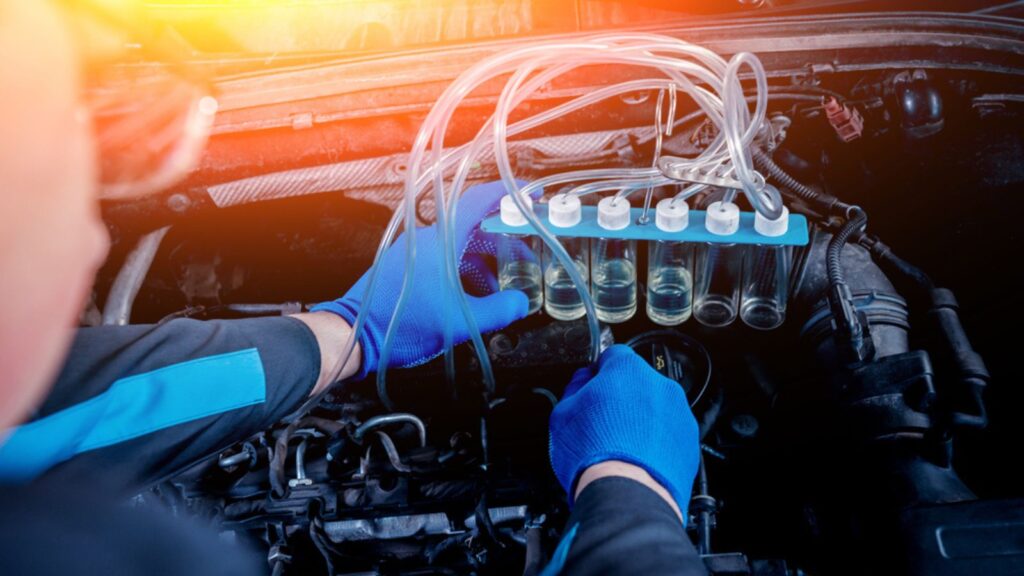
Fuel injectors in old times were much more prone to clogging due to carbon residue building up. Therefore, repair shops suggest that fuel injectors be cleaned frequently even now. However, it might not be necessary anymore.
Nowadays, most gas companies add high-quality solvents to gasoline, which unclog and clean fuel injectors as it passes through them. If you ever feel your car lagging, switch to better-quality fuel, and you are good to go without removing injectors from the fuel rail system.
Parts Replacement

It is such a nightmare to hear that your car needs parts replacement since it’s about adding the cost of the new part to the repair cost. These replacements used to be much more frequent 20 years ago because of old-school engineering, but things have changed. Modern vehicles have better-engineered and sturdier parts.
For example, parts that needed frequent replacement in the past, such as tires, now have a 4-5-year dependability. If you aren’t an aggressive driver and your mechanic tells you that you need a replacement too soon, you’re probably falling into the money trap. Proper knowledge of the parts’ issues and troubleshooting help prevent such scams.
Frequent Tune-ups

Cars surely need frequent tune-ups, but it’s different if you own a vehicle just a few decades old. The newer models are programmed such that the computerized system automatically makes shifts in functions and drives to optimize the health of car components. Therefore, you don’t have to spend money on tune-ups before hitting at least 25,000 miles, no matter how attractive an offer your repair shop presents.
Getting New Calipers

The mechanics love to tell people what they can add to their cars for convenience and luxury. While most things sound tempting, you don’t need them. For example, you’ll often hear how you need the new calipers with the new brake pads in case the brake pads need replacement. However, you need to remember that the brake pad replacement doesn’t mean that you need to replace calipers, too.
Even if the calipers are faulty, some lubricant can get them back to work. You just have to remove the caliper and soak the side pins in a solvent, followed by a thorough scrubbing to remove debris. Apply lubricant to the scrubbed slide pins and install them back; you’re good to go!
Installing Premium Tires

You never want to change tires frequently, so getting premium tires whenever you shift to new ones might be your first thought (or your repair shop’s first recommendation). Hold back! They are only trying to upsell you if it’s a tire shop. Premium tires are undoubtedly made of more durable material, but even mid-range tires are good enough if you aren’t an aggressive driver.
Windshield Replacement

This one may be the result of your OCD. A hurled object leaving a chip on the windshield always seems like a big deal and leaves you with an urge to get the windshield replaced. Spending $300-$400 on the replacement in case of small chips and cracks is just needless. You can perfectly fix it at home using the windshield repair kits for $10-$25. However, a chip more prominent than a quarter and a crack larger than 3 inches requires a windshield replacement.
The Lube Job

In old times, a lube job was an inevitable part of service. It is done to prevent the moving parts from costing owners their kidneys because of the damage caused by increased friction. However, the joints in modern cars are permanently lubricated.
In fact, some models come with components such as tire rod ends, U-joints, etc., that are considered “lubed for life.” So, you don’t need frequent shop visits for lube services. Since people are unaware of this, repair shops usually make good money by adding the lube cost to every service list.
Frequent Transmission Fluid Flushing

The transmission failure is always a car owner’s worst nightmare, and mechanics know it well. Therefore, they love to exploit the fear and charge you double for the transmission fluid flush when all you need is a fluid change. Moreover, the flushing process may lead to the clogging of the tiny passageways. Sometimes, it’s the mechanic’s lack of attention; other times, it’s just the machine malfunctioning.
Also, the chemicals in the flushing fluid may damage the transmission, which is why some manufacturers advise against it. Even if needed, as with old cars, it shouldn’t be done more than once every two years.
Frequent Front-end Alignment

The general recommendation is to get it done every two years or so, and even that’s not needed if your car isn’t significantly pulling and holds on to the road firmly.
Air Conditioner Recharge

Refrigerant loss was often the main culprit behind declining air conditioner performance in older cars, making a refrigerant recharge the go-to solution for mechanics. However, this step is less necessary for modern vehicles. Newer cars use “R134a” refrigerant, which is more durable and less prone to leakage, meaning refrigerant loss is much less likely.
Frequent Waxing

Waxing your car brings a lot of satisfaction, but doing it at every car wash is just sending your money down the drain. The current wax formulations offer long-lasting protection, and you are good to go if you wax your well-kept car twice a year. However, you may wax it every season, i.e., 3-4 times a year, if it faces harsh conditions, i.e., rain, dust, etc, more often. Waxing frequently doesn’t damage the car, but it doesn’t enhance the protection when the previous layer is still intact, so why bother?
Headlight Maintenance

Who needs frequent headlight maintenance? Your mechanic might suggest you do, but the truth is, regular car washing is usually enough to keep them clear and visible. Moreover, modern headlights are made from advanced materials like polycarbonate, which resist hazing, yellowing, and impact, ensuring better functionality and a longer lifespan. Unless they suffer significant damage, replacement is rarely necessary.
Repeated Hose Exchange

Even though the hose replacement is an inexpensive service, it’s still draining your money for no reason when it’s done frequently. Modern cars come with hoses that last you up to 10 years. So, you should be looking for signs of wear and tear before deciding whether a replacement is warranted.
Tire Balancing and Rotation

You don’t need to add tire balancing on the service checklist unless you face a handling problem. According to Toyota, you don’t need to balance tires unless you feel vibrations in the steering at high speed. However, some experts recommend getting them checked and balanced once every two years, or earlier if you travel on uneven roads frequently.
The Filter Replacement
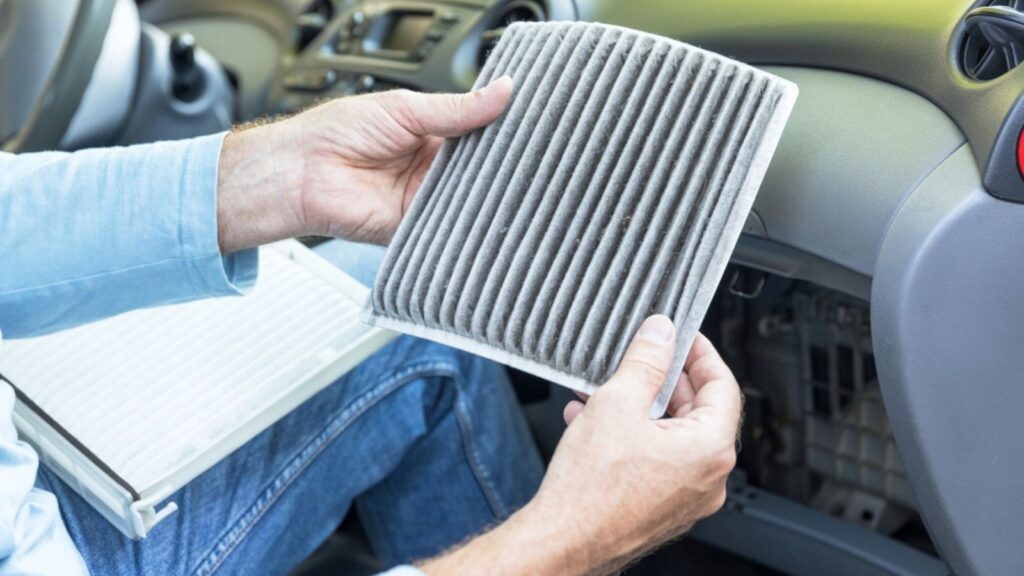
Cars are swamped with filters, and most of them last long. Replacing filters is not rocket science; you could save yourself $50 to $80 if you do it at home. For example, the cabin filter requires replacement once a year, and it’s an easy DIY. All you need to do is to access it under the dashboard or behind the glove compartment and notice the orientation before releasing clips and screws. Pull it out, clean the area, install the new filter, and secure it with clips before closing the housing.
More From Driver’s Drift
15 Common Tire Brands That Don’t Deliver on Quality
15 Cars Likely to Become Headache-Inducing Money Pits After About 100,000 Miles

15 Deceptive Tactics Car Salespeople Use to Seal the Deal

15 Used Cars to Avoid Like the Plague


Zainab Noor is a motoring journalist. Childhood rides in Nissan Almera fueled her love for cars. After graduating from AIOU in 2021, she steered her passion into freelance writing. You can find Zainab on LinkedIn.


