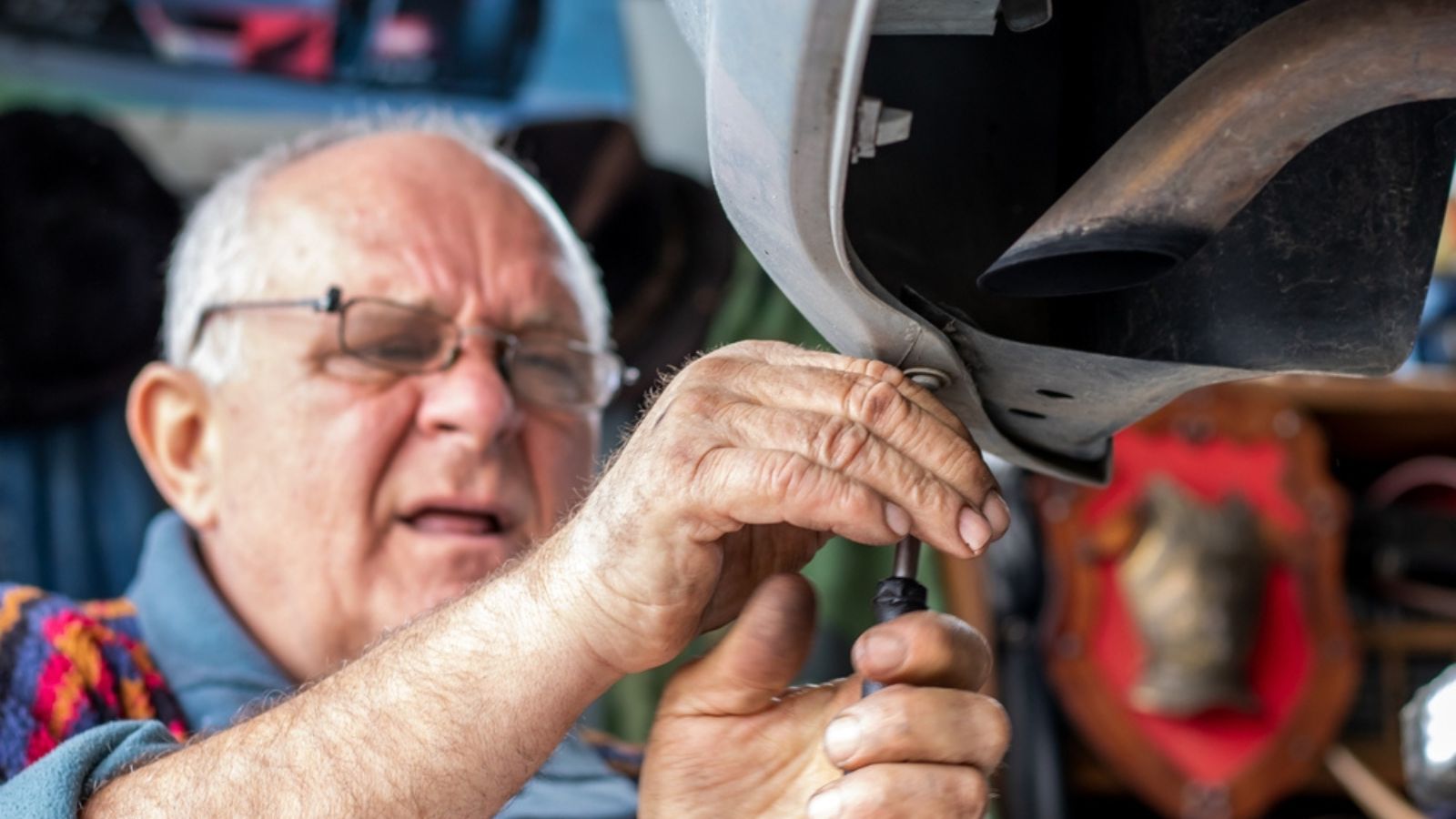
While many car owners rely on mechanics for maintenance and repair, others enjoy wrenching on their rides and take pride in doing so.
But to DIY, you need the tools of the trade. Here are 17 tools DIYers need if the goal is to roll up their sleeves and work on their cars.
Car Jack

Whether you’re performing an oil change or working on the brakes, exhaust, or suspension, you’re going to need a car jack. The good news is your car should already have one. Check the owner’s manual for its location. You can find the jack position points under the vehicle and learn to use the jack safely and effectively.
Jack Stands

Never use a jack without a set of jack stands that can support the weight of your vehicle. Once you jack up the car, position the jack stands at the correct points beneath the vehicle, lower the car onto the jack stands, and remove the jack. Some people keep the jack in place for extra protection if they need to work under the vehicle.
Socket Set
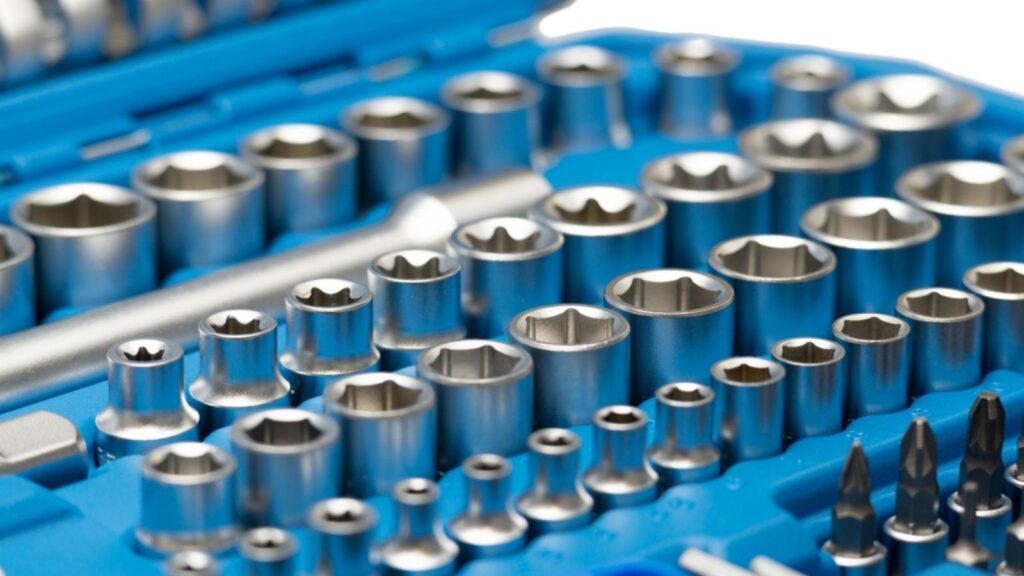
Invest in a quality socket set that covers the various bolt sizes for your car. Sockets are a must to loosen and tighten bolts—something you’ll be doing a lot of for DIY tasks. Again, go for quality. A good set of sockets can last a lifetime. Literally.
Wrench Set
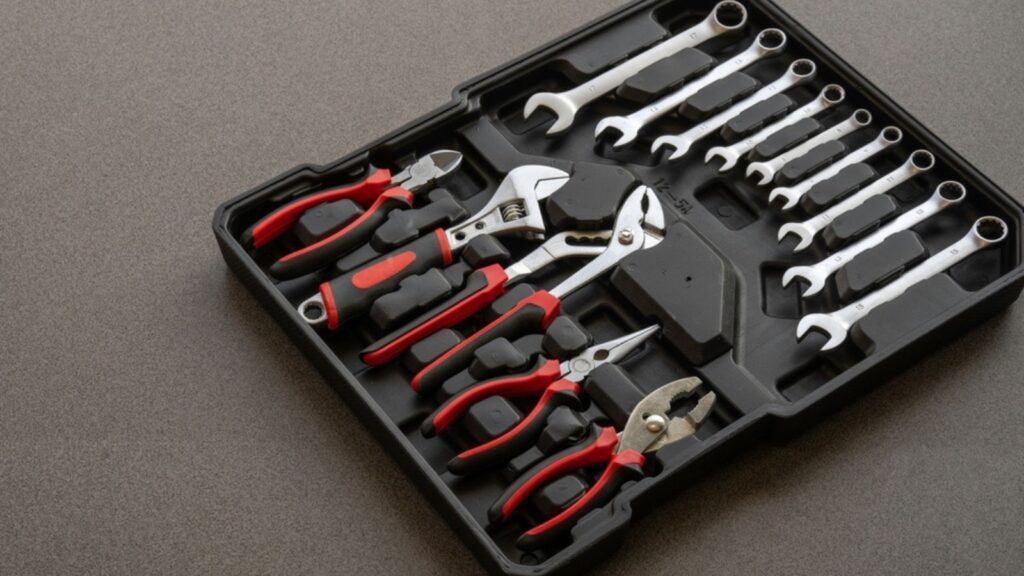
Purchase a set of combination wrenches that have open and closed ends. There are many different types of wrenches. After getting a good set of combination wrenches, add more types of wrenches to your collection.
Torque Wrench
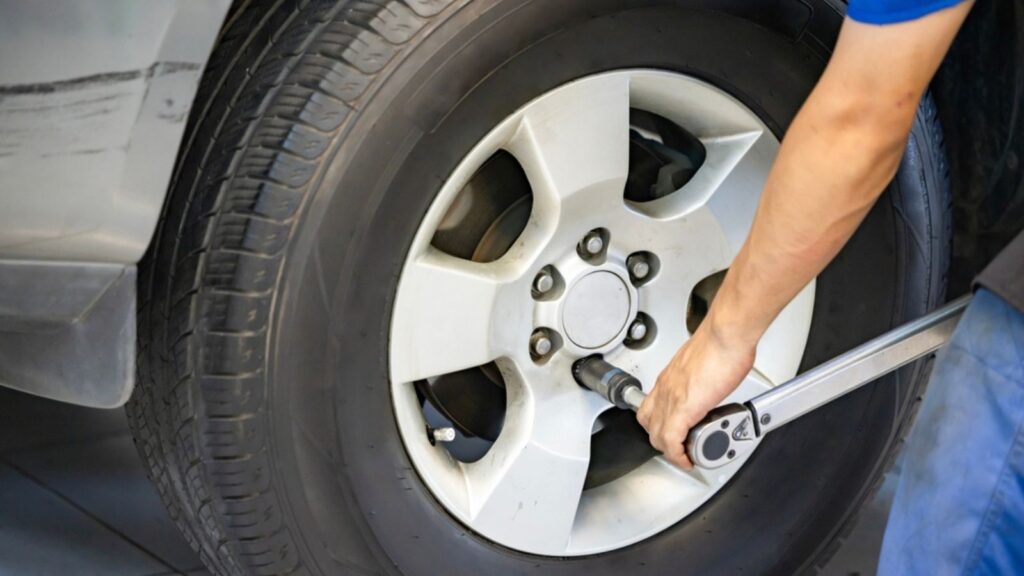
A torque wrench is indispensable if you’re serious about DIY car maintenance and repair. For instance, if you want to swap your all-season tires for winter tires, you’ll need a torque wrench. After swapping the tires and driving for 50 to 100 miles, you must re-torque the lug nuts.
Check your owner’s manual for the proper torque setting, and learn to use the torque wrench so you’re good to go when it’s time to re-torque.
Screwdrivers
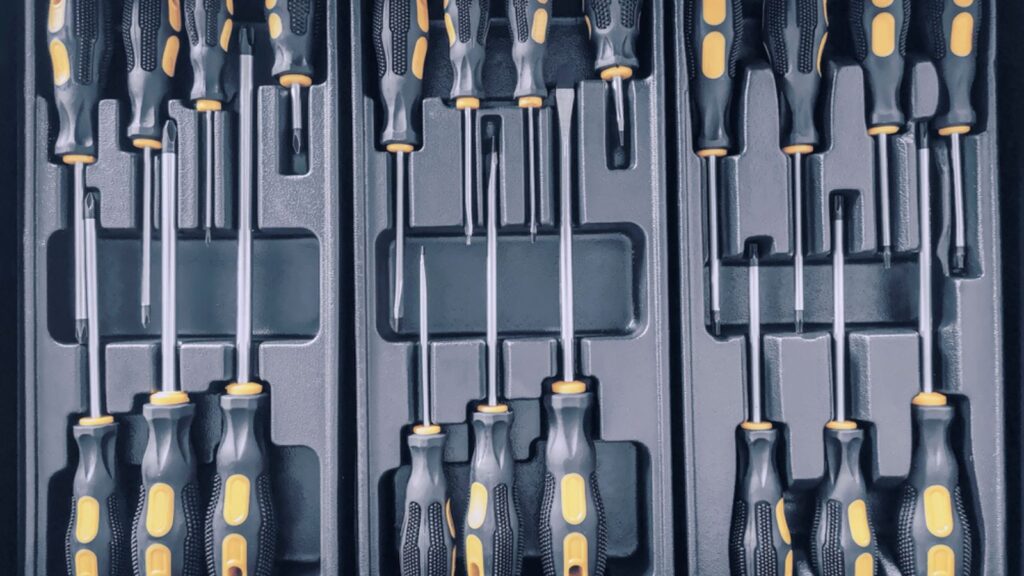
A set of quality screwdrivers is also essential. Get a set that covers a broad range of sizes so you have what you need, no matter the task. While there are various types, Phillips or flatheads are essential.
Pliers Set
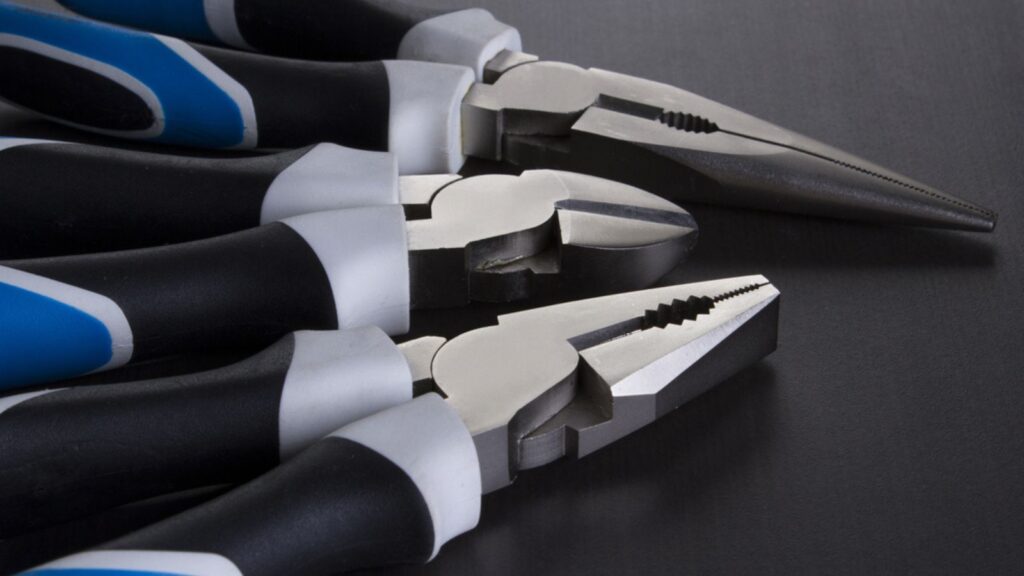
Invest in one or two good sets of pliers. A good set should include a broad range of locking, needle-nose, and slip-joint pliers so you can do a range of things like holding parts securely, cutting wires, and gripping.
Oil Filter Wrench
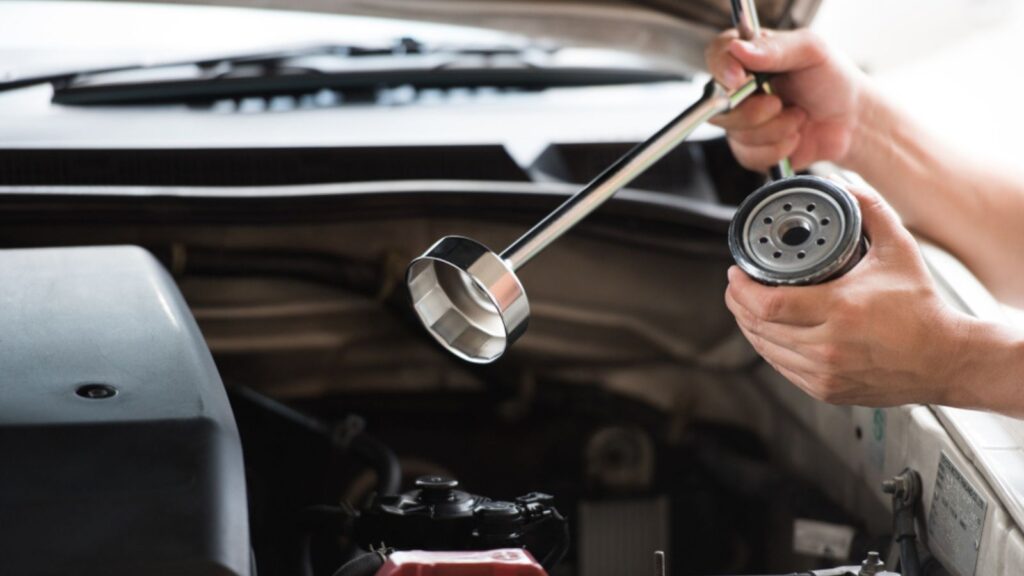
Depending on your vehicle, an oil filter wrench may or may not be necessary. This tool simplifies removing and installing oil filters. Ensure you get the correct size if you need an oil filter wrench.
Funnel Set
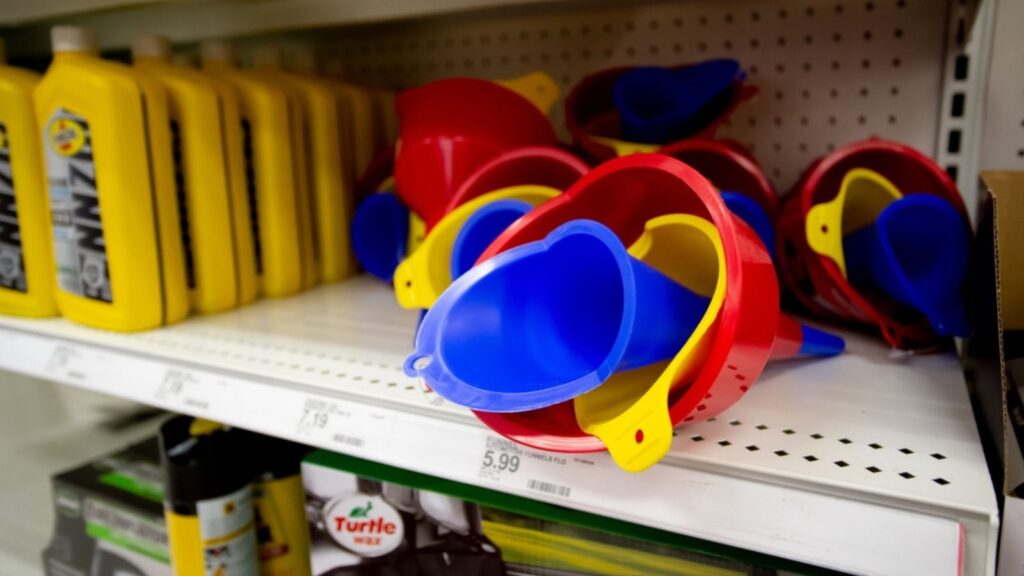
Whether adding coolant, engine oil, or transmission fluid, the task will be much easier with a funnel set. Plus, they don’t cost much either. Since they serve a basic function, just about any set will do.
Drain Pan

A drain pan is a must when evacuating fluid from your vehicle. Don’t perform an oil change without one. You won’t have to worry about making a mess or harming the environment when using a drain pan since you can collect and responsibly dispose of fluids.
Creeper
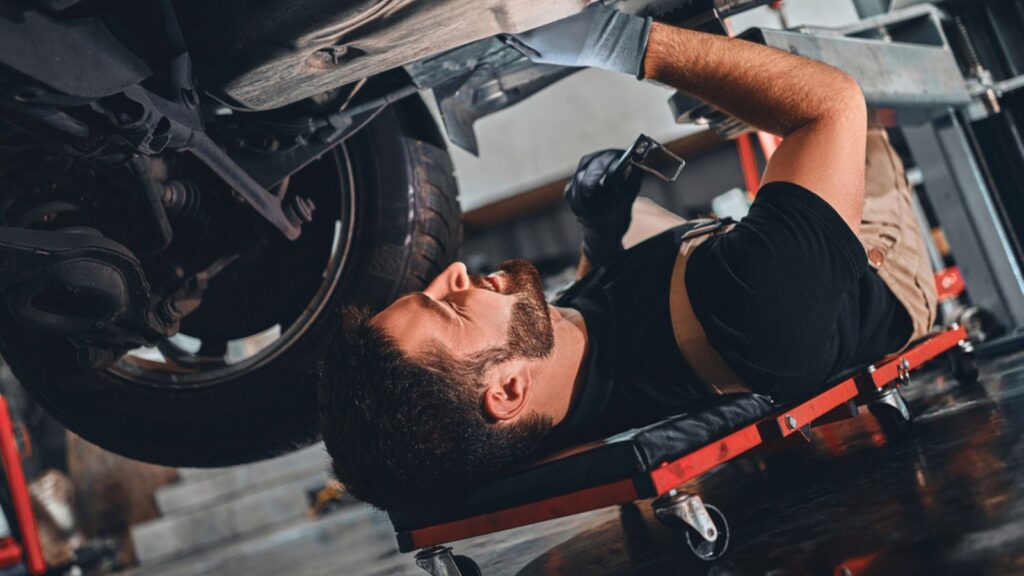
While not a must-have, a creeper is a nice-to-have piece of equipment. Assuming you raise your vehicle and support it with four jack stands, a creeper will help you scoot about underneath without crawling on the ground, reducing strain and fatigue.
Breaker Bar
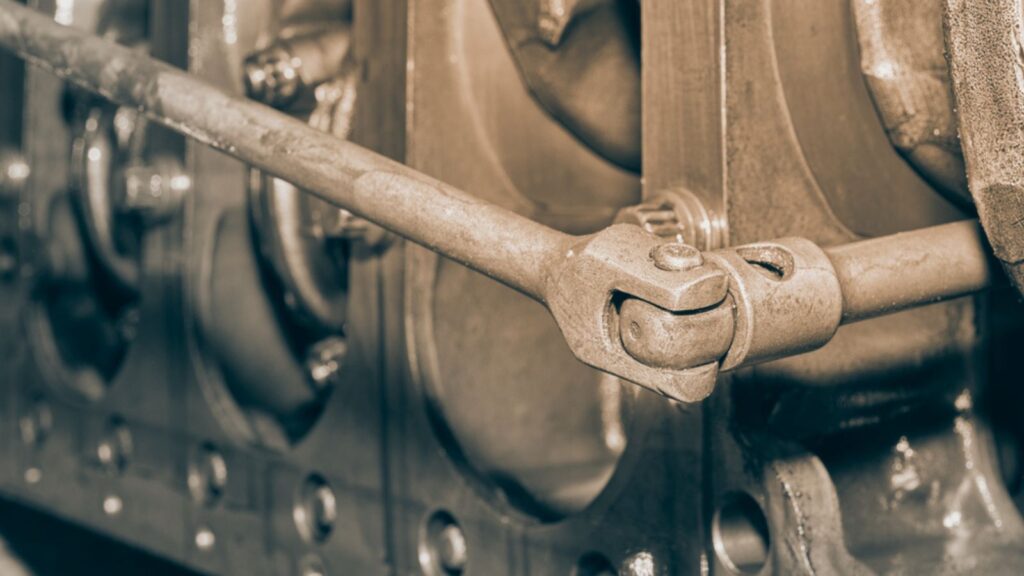
Every DIYer will experience situations where stubborn bolts hold onto the threads for dear life, refusing to comply. For these situations, you need a breaker bar. They offer extra leverage to free up even the most persistent wheel lug nuts, bolts, or fasteners.
OBD-II Scanner

Every car owner needs an OBD-II scanner whether or not they plan to do maintenance or repairs independently. These scanners provide information about any error codes that appear on the dashboard.
While there are tons of cheap OBD-II scanners on the market, spending a little more goes a long way, providing you with error codes, information on specific problems, and tips on fixing them.
Jumper Pack
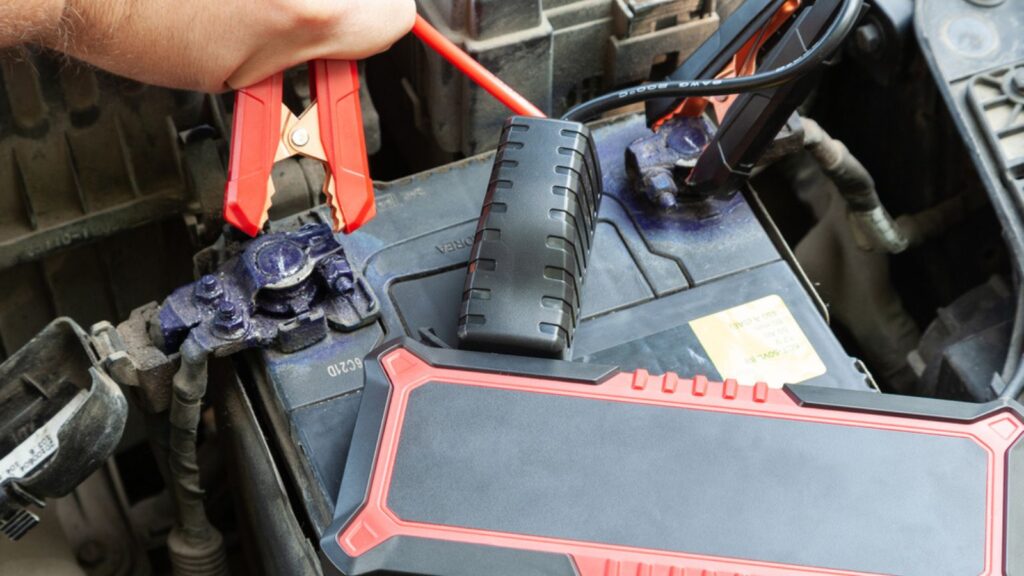
A jumper pack is essential. While having a good set of jumper cables in the trunk is always a good idea, so is having a jumper pack. A jumper pack will allow you to start your vehicle without another driver’s assistance. You can even get jumper packs that are small enough to store in the glove box or center console.
Spark Plug Socket

Depending on how much maintenance you plan to do, buying a spark plug socket may be in your best interests. Don’t try to use regular sockets to remove spark plugs since you’re likely to damage the spark plugs. Invest in a spark plug socket designed specifically for removing and installing spark plugs.
Impact Wrench
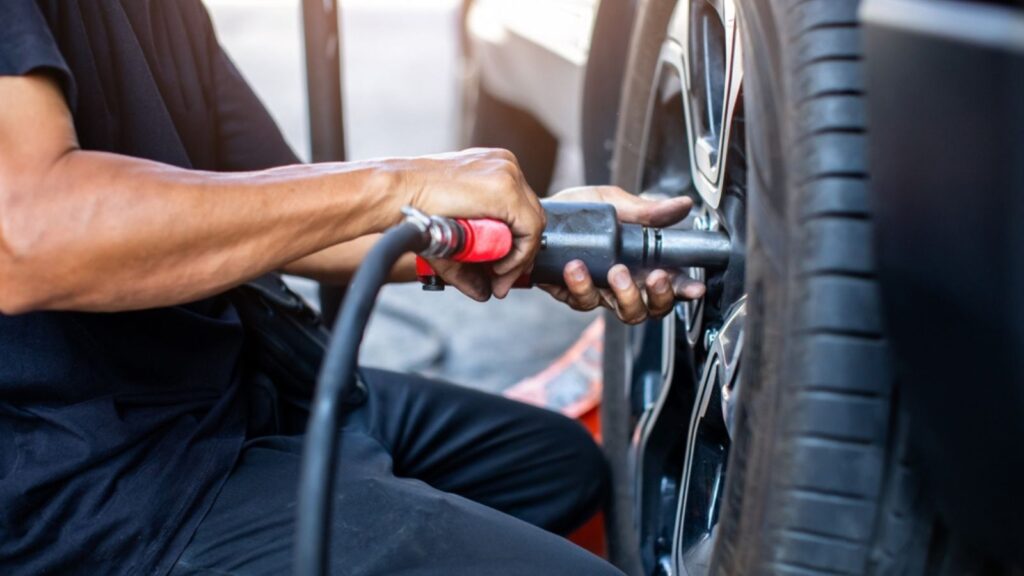
Add an impact wrench to your collection of DIY tools. It’s designed to provide high torque output with relatively little exertion by the user. An impact wrench can come in handy for removing and installing lug nuts and other bolts, saving you time and energy.
Service Manual

A service manual is an owner’s manual on steroids. It won’t come with your car—you’ll have to go out and buy one. But it’ll be worth it since such a resource will provide step-by-step instructions for maintenance and repair tasks specific to your vehicle. It’s something you’ll refer to again and again, so buy one.
Start With These Tools and Resources

Invest in these tools and resources for DIY car maintenance and repair. Of course, there are other things you’ll need. But it’s best to start with the basics and add more tools over time as you get deeper into wrenching your vehicle.
More From Driver’s Drift

GM Recalling 450,000 Trucks and SUVs: Here’s What You Need to Know

15 Used Cars To Steer Clear of at All Costs

15 Vehicles That Leave Owners With Buyer’s Remorse

15 Things Boomers Taught Us About Cars Which are Totally Wrong Today