

While many Americans did their own car maintenance and repairs in past generations, that’s not the case these days.
Most people don’t know their way around a toolbox and can’t do an oil change. One reason many don’t tinker under the hoods of their cars is the increasing complexity of vehicles today.
That’s why there’ll always be a need for mechanics. Finding a good one means you’ve struck gold. But here are 16 things your mechanic will never tell you — even though they should.
You Can Do Oil Changes Yourself

Car owners should do oil changes independently rather than pay mechanics to perform this simple task. Get the right engine oil, filter, jack, jack stands, and tools to access the drain plug. You can watch a few YouTube videos to see how oil changes are done. It’s easy-peasy.
Your Check Engine Light Isn’t an Immediate Concern (Unless It’s Blinking)
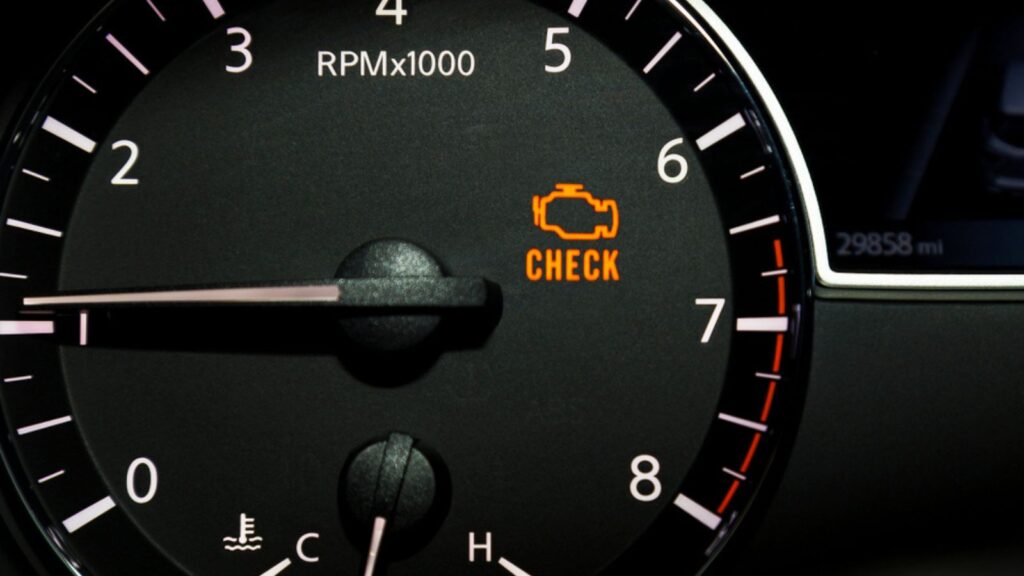
While few things inspire more fear in the hearts of car owners than check engine lights, you likely don’t have to worry about them right away. The exception is if check engine lights are flashing on the dashboard. Use an OBD2 scanner to find out what the issue is. But as long as the check engine light isn’t blinking, you shouldn’t stress over it too much.
You Should Look for a New Car

According to one source, the average car owner driving 15,000 miles annually will spend around $1,474.50 on maintenance and repairs. But what happens if your vehicle is on its last legs? It might be time to buy a new one. That said, if your mechanic is making a small fortune off of your worn-and-torn beater vehicle, they might not advise you to get a new car.
You Can Change Your Own Brake Pads

You might want to stay away from changing calipers or servicing the caliper slider pins if you’re unaccustomed to working on brakes. But there’s no reason you can’t swap out brake pads for new ones. Your mechanic might neglect to tell you this, however.
You Don’t Have to Do All Service Items Right Away

Some mechanics will recommend work that doesn’t have to be done immediately. They should give you the option of delaying the service, but they’ll often leave out that information.
You Can Address Small Dents and Scratches Yourself

You don’t have to pay a small fortune to fix small dents and scratches. Amazon makes available some useful products for the ambitious DIYer. If the results leave you less than thrilled, you can follow up by getting a professional to help.
You Can Diagnose Problems

Considering how inexpensive and useful OBD2 scanners are, you should have one in your glove box or center console. Rather than paying extra for a mechanic to scan trouble codes on your dashboard, you can do it independently. You’ll be able to explain what the problem is.
You Should Get to Choose Between OEM and Aftermarket

While original equipment manufacturer (OEM) parts are best, they come at a premium price compared to aftermarket parts. But a mechanic should let you choose which one you want.
You Can Get a Second Opinion

If you go to a mechanic and get a quote for recommended service and repairs, you can get a second opinion elsewhere. That’s a good idea if the price quoted is high. Exercise your rights as a consumer and get a second opinion.
You Can Ask Questions

When talking to a mechanic, you can ask questions. There should be open two-way communication so you can make informed decisions about your vehicle. If your mechanic talks at you rather than to you and won’t answer questions, take your business elsewhere.
You Can Get Your Old Parts Back

Ask the mechanic for your old parts back. You might be surprised at how many will charge you to replace components without doing the required work. When you get the old parts back, you can be confident the mechanic did the job you paid for.
You Don’t Need a Transmission Flush

While it’s vital to change the transmission fluid at intervals the automaker recommends, transmission flushes are not generally recommended by automakers. They make auto shops money, but you don’t need them.
You Don’t Have to Accept Being Charged Twice

If a mechanic offers to do two repairs, ask how long each will take. Some mechanics will double-bill you even when they do both jobs simultaneously. That’s a dishonest business practice.
You Can Torque Your Wheels

After swapping your all-season tires for winter tires or vice-versa, it’s vital to retorque your wheels after 50 miles to 100 miles. But do you have to go to a mechanic for this? No. Get yourself a torque wrench and learn to use it.
You Can Skip Coolant and Power Steering Fluid Flushes

Beware of a mechanic offering to perform a coolant or power steering fluid flush on your car. These services aren’t necessary. They’re a way to make more money off of customers.
You Should Check the Build Date of New Tires

If a mechanic offers you a too-good-to-be-true deal on a set of new tires, be wary. Ask for the build date for those new tires. While they might be unused, that doesn’t mean they are current-year brands. The set of new tires might be two or three years old.
Find a Good Mechanic — But Don’t Let Your Guard Down

If you rely on a mechanic to help with vehicle maintenance and repairs, remember these 16 things mechanics will never tell you. There are some good mechanics out there. But that doesn’t mean you should let your guard down.
More From Driver’s Drift

15 Cars With a Reputation for Insanely High Repair Costs

16 Costly Mistakes You Make When Talking to Car Salespeople

16 Things You Should Keep in Your Car Trunk (You Never Know When They’ll Come in Handy)

13 Warning Signs Your Transmission Is About to Fail


