

Did you know sales of hybrids, plug-in hybrids, and electric vehicles in the U.S. made up 16.3% of all new light-duty vehicle sales last year?
The source notes that the number of available hybrid models dropped in 2023. However, sales substantially increased across existing models. Vehicle makers also increased hybrid choices in the most popular vehicle market category—crossovers—and reduced them within the least popular vehicle market category—cars. So, while there may have been fewer hybrid models overall, that wasn’t the case for the white-hot crossovers category.
Don’t Forget About Hybrids

When people discuss going electric, they often think about EVs and plug-in hybrids. However, hybrids, which don’t have plug-in capabilities, should also be on the consideration list. What you’ll see below are 15 things you should know about hybrid vehicles in the marketplace.
Hybrids Combine Two Power Sources

Hybrid vehicles combine two power sources: an internal combustion engine and an electric motor. Unlike plug-in hybrids, hybrids don’t support plug-in functionality. So you won’t need a costly home charging setup. Several types of hybrids are available, mainly pure hybrids, plug-in hybrids, and mild hybrids.
Hybrids Can Run on Electric-Only Power

While hybrids don’t offer the type of electric-only range offered by EVs, they do have electric-only modes. One source says hybrids can have electric-only ranges of 10 to 50 miles. If you have a short commute, a relatively small electric-only hybrid range might be sufficient.
Hybrids Use Regenerative Braking to Charge the Battery

Regenerative braking is a key feature in self-charging hybrids. When you brake to slow down or stop the vehicle, regenerative braking kicks in to charge the battery. Without regenerative braking, kinetic energy would be lost. But regenerative braking turns kinetic energy into electrical energy directed to the battery. In addition to increasing electric range, regenerative braking lessens wear and tear on the braking system.
Hybrids Have Smaller Batteries Than EVs

Some EVs have massive, heavy batteries, contributing to their high cost and increased weight. But not so with hybrids. Hybrids have relatively small batteries compared to those in EVs. Their smaller size is one reason their electric-only range is relatively low.
Hybrids Usually Use CVT Transmissions

Hybrid vehicles typically have continuously variable transmissions (CVTs) because they offer smoother operation. According to iSeeCars, the best hybrids with CVTs this year include the Toyota Prius Hatchback, Toyota Prius Prime, Toyota Camry Hybrid, Ford Fusion Hybrid, Toyota Avalon Hybrid, and Ford Fusion Energi.
Hybrids Tend to Perform Especially Well for City Driving

Hybrids excel in city driving—including stop-and-go traffic—because they can leverage their electric motors and regenerative braking. Meanwhile, hybrids rely more on their internal combustion engines on the highway, which means using more fuel and reducing fuel efficiency.
Hybrids Produce Fewer Emissions Than Regular Cars

Hybrids emit fewer harmful greenhouse gasses than regular vehicles. If you want to go all the way as a steward of the environment, an EV is the right choice since it releases zero harmful greenhouse gasses. But a hybrid still beats an internal combustion engine car if you’re concerned about the environment.
Hybrids Are Often Considered Stepping Stones to EVs

Some drivers not ready to fully commit to EVs prefer hybrids or plug-in hybrids first. They can experience some of the benefits of all-electric vehicles without taking the plunge immediately. A hybrid will function much like your favorite gas- or diesel-engine vehicle but will be more fuel-efficient than an internal combustion engine.
Hybrids Are Great for People With Range Anxiety

If range anxiety won’t allow you to buy an EV under any circumstances but you still want better fuel efficiency, one option is to buy a hybrid vehicle. You’ll get to fuel up at gas stations, which you can find anywhere, and get the added benefit of an electric motor, which recharges through regenerative braking. It can be the perfect option based on your needs.
Hybrid Batteries Can Last Hundreds of Thousands of Miles

According to one source, hybrid batteries can last 100,000 to 200,000 miles. Most hybrid vehicle makers offer warranties that cover the battery for up to 100,000 miles or eight years, whichever comes first. As long as you take care of your hybrid, the battery will take care of you.
Hybrid Performance Can Be Affected By Extreme Temperatures

Some believe extremely cold or hot weather negatively impacts EV batteries. However, it can also reduce the performance of hybrid batteries. When exposed to extreme temperatures, a hybrid battery will lose some of its ability to retain a charge. You’ll, therefore, have a lower electric-only range and have to rely more on the internal combustion engine.
Hybrid Vehicles Require You to Adjust Your Driving

When moving from an internal combustion engine car to a hybrid vehicle, you’ll have to adjust your driving habits and behaviors to make the most of the fuel-efficiency benefits. For instance, you’ll want to incorporate more coasting and gentle braking to maximize regenerative braking.
Hybrids Depreciate Less Than EVs

iSeeCars finds that EVs lose an average of nearly 50% of their value in five years. Meanwhile, hybrids lose an average of 37.4% over the same period. So, if depreciation is one reason you don’t want an EV, consider a hybrid. The depreciation is considerably less, and you’ll get some EV benefits.
Hybrid Technology is Proven
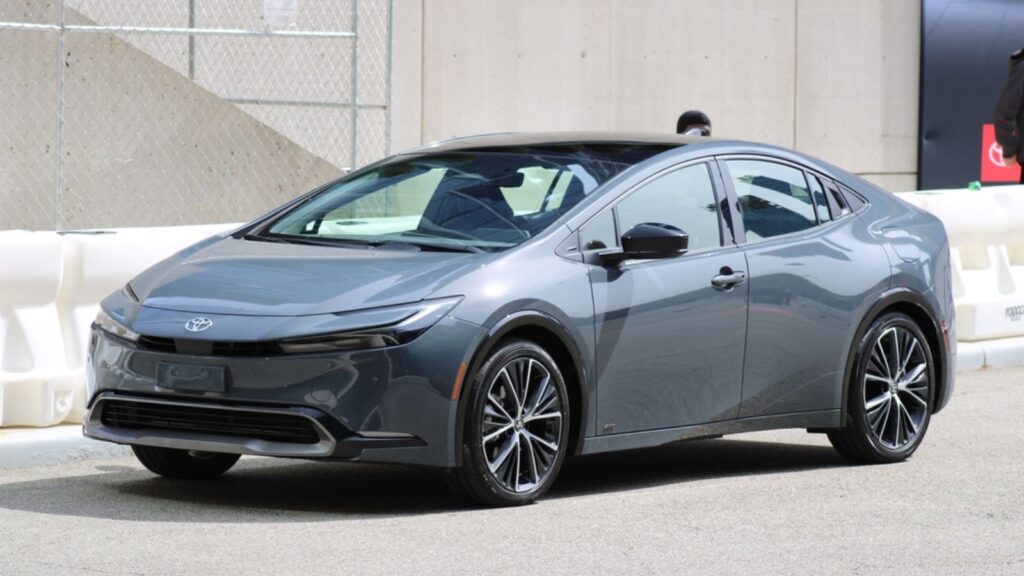
If you want a proven hybrid platform, consider the Toyota Prius. Hybrids have a longer track record than EVs. And an option like the Prius has been on the U.S. market for decades. It’s often lauded for its reliability.
Hybrid Sales Climb as EV Sales Slow

According to a report in the Detroit Free Press, EV sales have slowed, but hybrid vehicle sales “are booming in popularity.” It adds that carmakers with EV strategies—including Ford and General Motors—have announced the imminent rollout of hybrids as demand for EVs dwindles.
Are You Ready for a Hybrid?

Consider these 15 facts regarding hybrid vehicles. Some people are happy with their gas or diesel-engine vehicles and have no interest in changing. Meanwhile, others want EVs and see hybrids as a baby step toward EV ownership. A hybrid may be the perfect option, depending on what you want or need in a vehicle.
More From Driver’s Drift

15 Continuously Variable Transmissions (CVT) Cars That Are Worth Your Investment

13 Cars Owners Wish They’d Never Purchased

14 Sedans That Make More Sense to Own Than Crossovers

12 Secrets Car Salespeople Would Prefer You Didn’t Know When Buying a Car


