

Over one-fifth — or 20% — of new vehicles in the U.S. were leased last year, according to Statista. The remainder were sold outright.
People choose leasing over financing for various reasons, including lower monthly payments, the ability to get a new car every few years, lower repair expenses, and the option to purchase the vehicle when the lease ends. But you must know what you’re getting into before putting pen to paper and entering a leasing arrangement with a car dealership.
Here are 16 things you must know before leasing a car — so you make the right choice.
Lower Monthly Payment

According to Statista, the average monthly payment for a new car lease is $594 while Bankrate says the average monthly car loan payment for a new vehicle is $734.
Leasing will be more manageable if you want a lower financial burden month after month for however long the lease lasts. The only drawback is you won’t own the vehicle at the end of the multi-year lease.
Terms Usually Last Two to Four Years

Another thing you should know about leases is that they usually last two to four years. So, you’ll want to choose a lease term that works best for your financial flexibility and needs.
Upfront Expenses

While leasing can be cheaper than financing overall, don’t overlook upfront expenses. Before signing on the dotted line, enquire about the applicable costs. You’ll need to know upfront costs like the down payment, the fees, the taxes, and the first month’s lease payment.
Car Residual Value

It’s also important to understand the car’s residual value, which refers to the estimated worth of the vehicle at the end of the lease term. A higher residual value usually means lower monthly payments since the car retains more of its value over time. The less the vehicle depreciates, the less you’ll have to pay during the lease. However, remember that other factors, such as the vehicle’s purchase price, will also impact your monthly payment.
Mileage Caps

According to one source, lease agreements typically allow 10,000 to 15,000 miles per year. So, if you sign a three-year lease, you could face caps of 30,000 to 45,000 miles total. Car dealerships usually impose strict penalties if people go over the mileage limits.
Wear and Tear Penalties

Are you hard on your cars? If so, think long and hard before signing a lease. While normal wear and tear is permissible, excessive wear and tear is not. You could face big penalties if your vehicle has interior or exterior damage.
Gap Insurance

You must also ask if the lease agreement includes gap insurance. Don’t overlook the importance of gap insurance, which provides coverage so you’re not left footing the bill if the car is stolen or written off in a collision. Gap insurance covers the difference between the car’s worth and the amount you owe.
Early Termination Penalties

What happens if you want to exit a lease early? If you think you can do that without facing a hefty termination fee, you’re mistaken. You’ll have to dig deep. That’s why you must ensure you can commit to the lease until the end. The more time left on the lease, the bigger the penalty.
Buyout Option

Before signing a lease, consider whether you might want to buy the car after the end of the lease. You’ll want to know if this is possible and the purchase price. Who knows? You might like the car so much that you welcome the chance to own it.
Negotiation

Some people think lease terms are etched in stone, but nothing could be further from the truth. You can negotiate the lease the way you would a financing pact. It’s possible to save money by going head-to-head with the car salesperson.
Customization Limitations

When leasing a car, remember you’re just borrowing it for a few years. Since it’s not yours, you can’t customize it to your heart’s content. If you want to customize a car, buy it rather than lease it. Leasing a vehicle and customizing it could subject you to some hefty penalties.
Credit Score
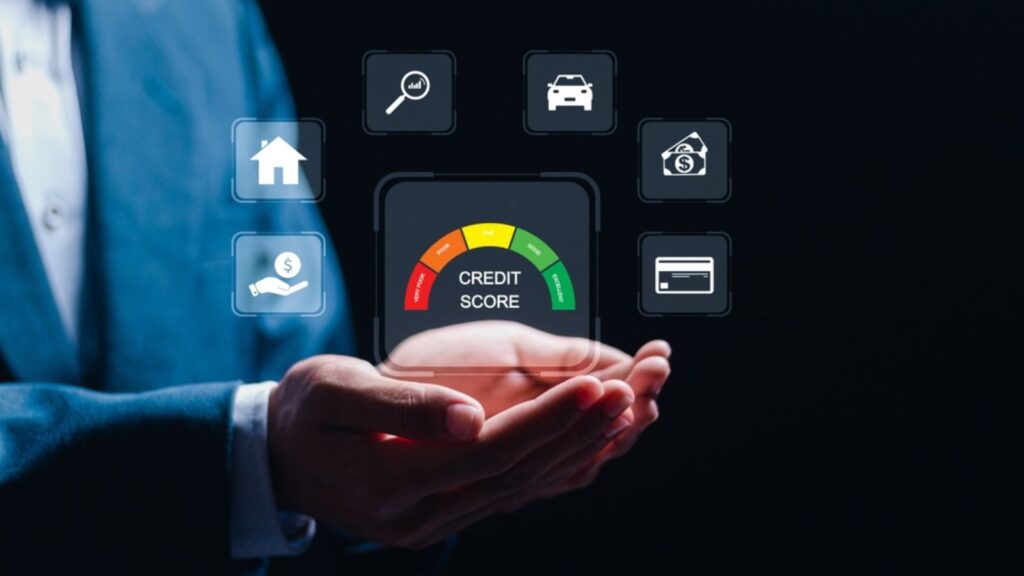
According to Chase Bank, you need a credit score of at least 700 to increase your odds of getting the best lease terms. So, yes, your credit score factors into how much you’ll pay every month.
What can you do if your credit score needs some work? Some companies might offer great lease terms if you make a sizeable down payment.
Down Payment Sum

You’ll also want to ask the car dealership about the down payment requirements. While it may be possible to get behind the wheel of a car with no down payment or a minimal amount, that’ll translate into a higher monthly lease payment. It’s best to make as large a down payment as possible to get lower monthly lease payments.
Alternatives

Before signing a lease, consider whether that’s the best option. If you don’t want to be locked into a long-term financing pact, want to drive a brand-new car every two or three years, and desire a low monthly payment, a lease deal might be appealing.
But a lease isn’t the only possibility. It might be the worst one if you need to drive more than the amount allowed by the lease. You’ll face big penalties if you exceed these mileage caps. If leasing isn’t the best option, consider financing or buying a used car.
End-of-Lease Inspection

When the lease ends, the car dealership will conduct a thorough inspection. You’ll probably feel like wetting your pants if a car salesperson discovers excessive wear and tear since you’ll have to pay a hefty penalty.
Insurance Requirements

Yet another thing to consider before deciding whether or not to lease is car insurance. When leasing a car, you’ll need full coverage. That includes collision and comprehensive coverage.
Consider These Important Points Before Leasing a Car

Don’t enter a lease before considering these 16 points. You must be informed and know what you’re getting yourself into if you want to avoid disappointment.
More From Driver’s Drift

12 Things Car Salespeople Don’t Want Customers to Know When Buying a Car, According to Car Salespeople

16 Things You Should Never Say to a Salesperson at a Car Dealership

15 Used Cars To Steer Clear of at All Costs

17 Hybrids to Avoid at All Costs


