
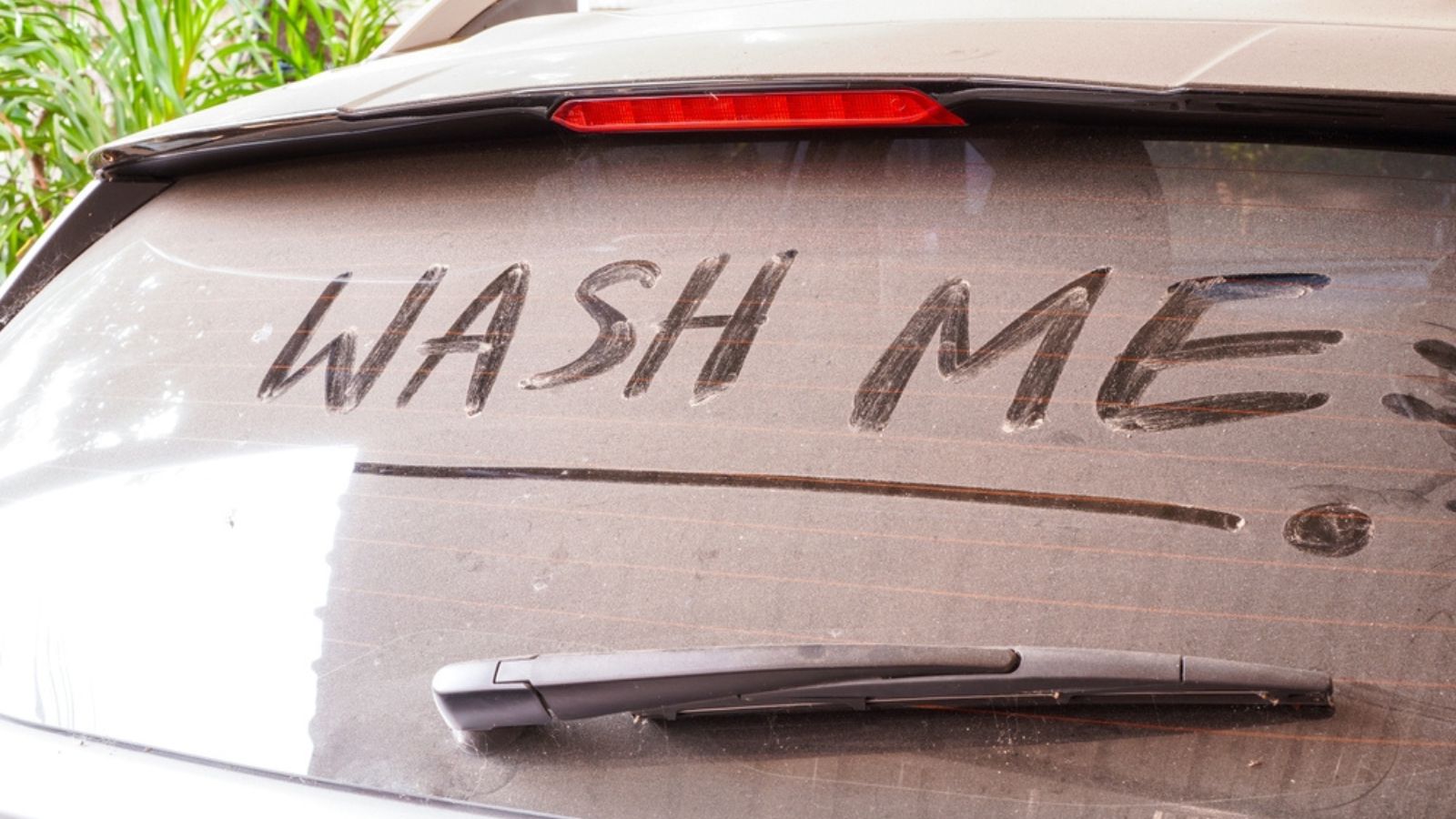
As a car owner, you may believe that if your vehicle is properly parked, it will remain in good condition. However, not driving your car regularly might result in several unanticipated complications. The effects of extended inactivity include flat spots, engine stalling, transmission issues, and much more, which we’ll discuss in this article.
Drained Battery

Battery drain might occur when you leave your vehicle idle for a long period. Since certain electronics continue to draw power even when your car is off, the battery gradually loses power. It can lead to the battery dying, so you won’t be able to start your car without a jump start or a replacement.
Tire Flat Spots

If your car sits in one place for too long, there is a chance that the tires will develop flat spots. This happens because the car’s weight presses down on the same part of the tire, causing it to flatten. When you finally drive the car, you might feel a bumpy ride. These flat spots can make the tires wear out faster, and you might need new tires sooner.
Fluid Deterioration

Oil and brake fluid keep the car running smoothly. But if you do not drive it regularly, these fluids can start to break down or get dirty. As a result, the fluids do not work well, leading to engine problems, brake issues, or other mechanical troubles that might require costly repairs.
Suspension Stiffness

The suspension system in a car helps give you a smooth ride by absorbing bumps and ensuring a firm tire-to-road contact. When a car is not driven for a long time, the suspension can become stiff. The parts might not move as smoothly as they should. Moreover, they can wear out or get stuck without regular use, leading to a rough ride, poor handling, and even safety concerns when you start driving again.
Fuel Staleness
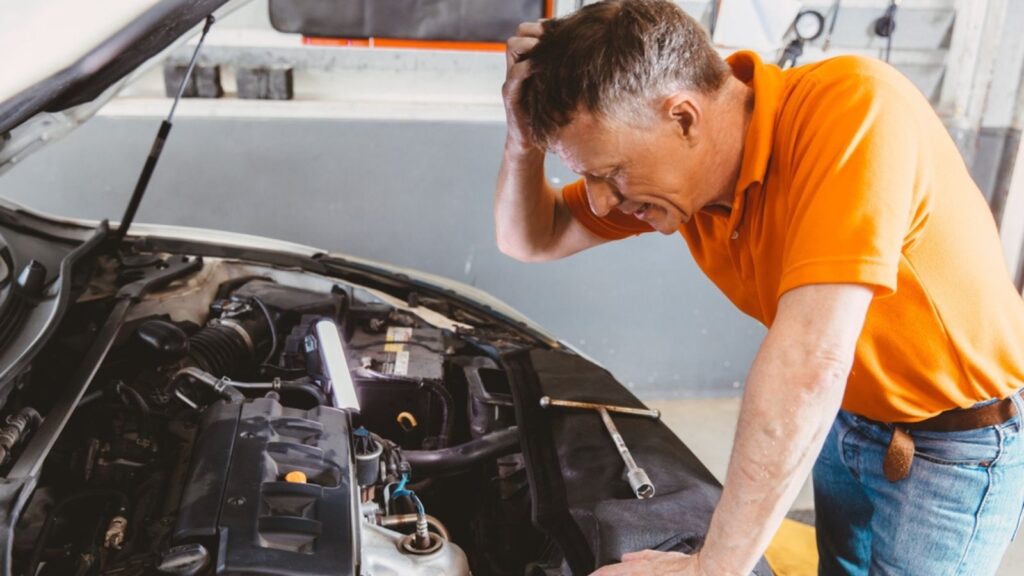
Gasoline does not last forever. If you do not drive your car often, the fuel in the tank can deteriorate. Stale fuel does not burn well, which can cause poor engine running or even failure due to friction. Plus, old fuel can leave deposits that clog up parts of your engine, leading to more problems.
Brake Rust
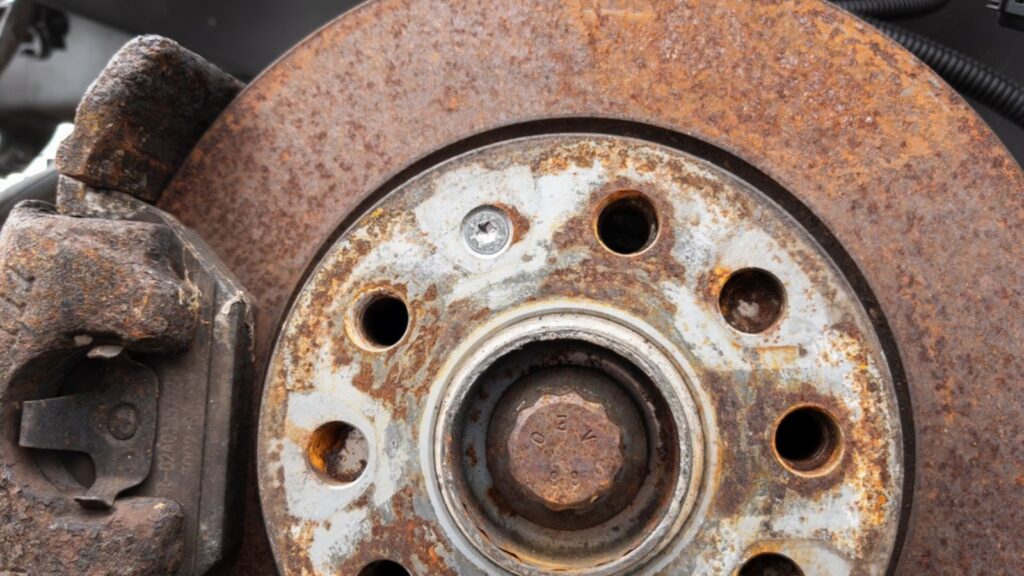
Whenever a car is parked for a long time, condensation forms, leading to the rusting of the brake rotors. It results in low performance when sudden or hard braking and grinding sounds as the car starts to move again.
Pest Infestation
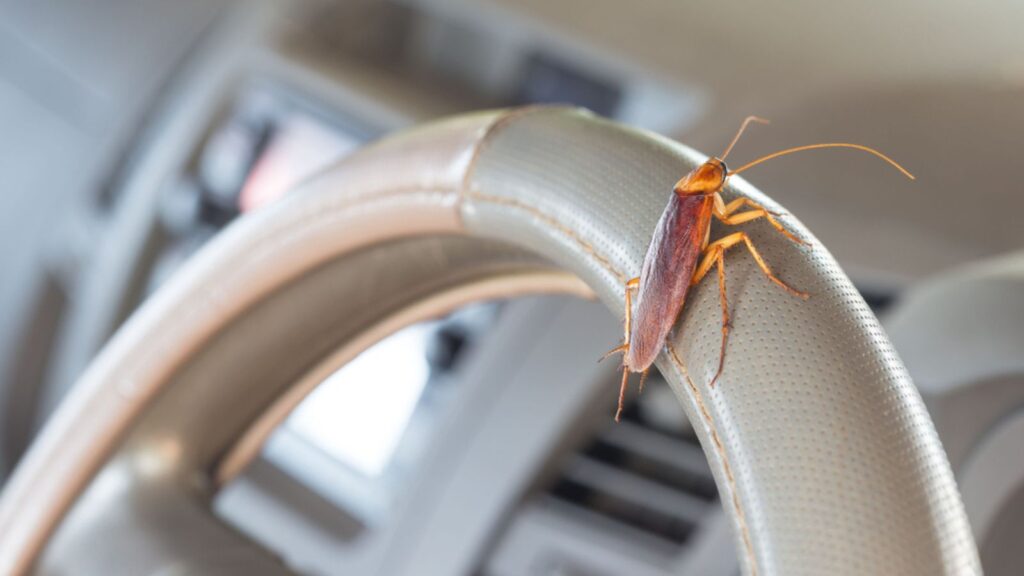
The interior of an idle car might become a comfortable dwelling place for creatures like mice, spiders, or insects. They can bite on wires, create their home, or even drop their feces in your car, resulting in costly repairs.
Engine Seals Drying Out

Rubber seals and hoses are important for keeping oil and other fluids inside the engine, but they can dry out and crack if you do not drive your car regularly. When these seals dry out, they might start to leak, which can lead to bigger engine problems down the line. Driving your car regularly helps keep the seals in good condition.
Oxidized Paint

The paint might oxidize when you park the car outside and rarely take it for a ride. The sun and weather exposure cause the paint to dull, fade, and become chalky. Moreover, oxidized paint makes your car seem old and worn out, lowering its resale value. Regular driving and cleaning help keep your car’s paint looking good.
Exhaust System Corrosion
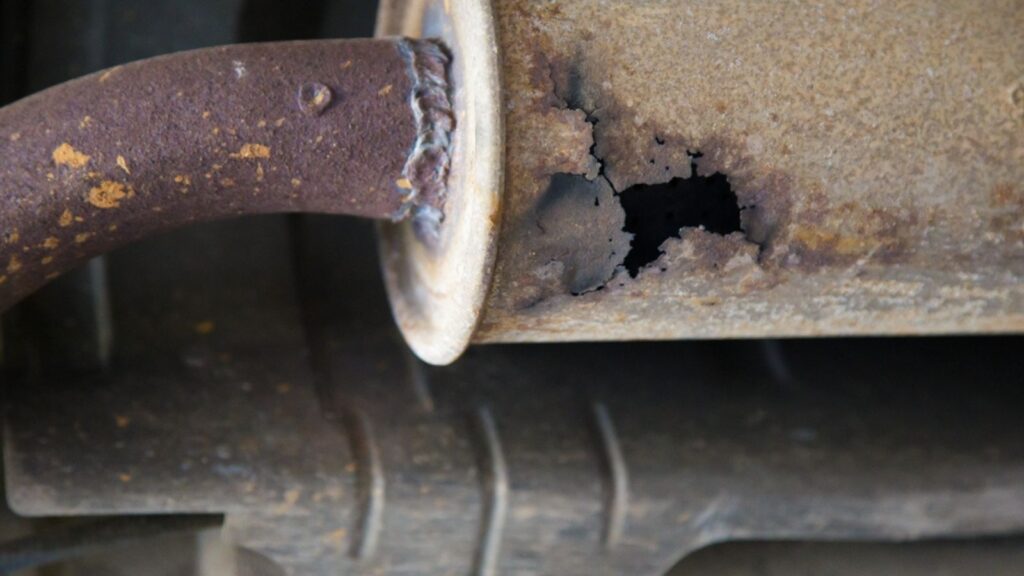
The exhaust system in your car helps eliminate harmful gases. However, it can start to corrode or rust if the car is not driven regularly. Moisture builds up in the muffler when the car sits too long, causing rust. Over time, this rust can create holes in the exhaust, making your car noisy and possibly releasing harmful fumes into the cabin.
Electronic System Malfunctions
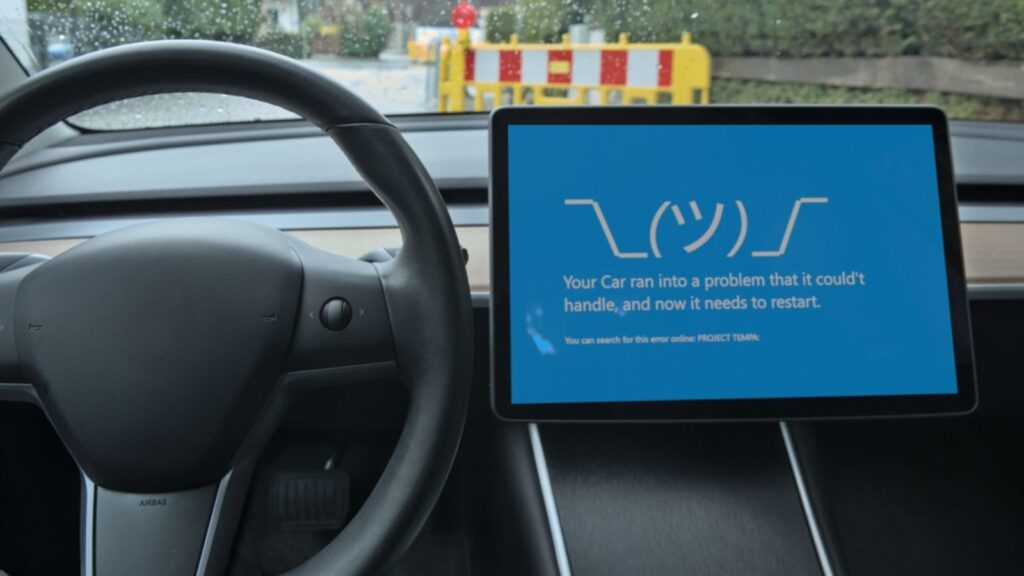
Modern cars have electronic systems that control everything from the engine to the radio. If you do not drive your car regularly, these systems will likely start to act up. Moreover, the battery might not have enough power to keep the electronics working properly, leading to dead screens, malfunctioning sensors, or even the car not starting.
Sticky Brake Calipers

Brake calipers can get sticky when a car is not driven long, making it hard for the brakes to work properly. This can also result in the car pulling to one side or the brakes dragging. Sticky calipers can also wear out your brake pads faster, compromising your safety.
Interior Wear and Tear
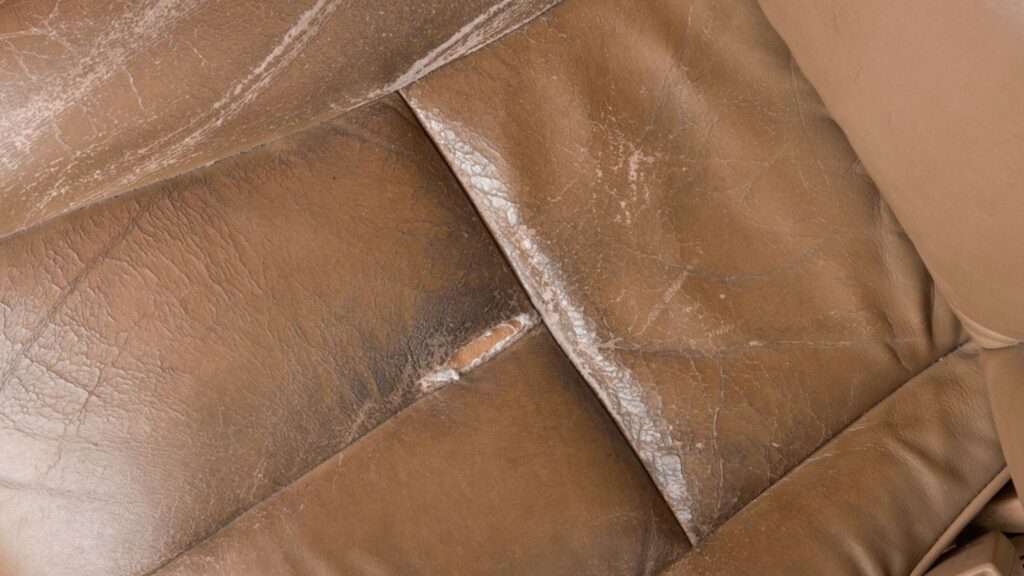
The interior of a car is always likely to show a certain level of wear and tear, especially when a car owner leaves the car for an extended period. Sunlight may cause the dashboard, seats, and other surfaces to fade or fracture. Furthermore, dust and filth might accumulate, making the vehicle appear old and uninviting.
Mold and Mildew Growth

If you don’t drive the vehicle regularly, moisture can build up inside, especially if parked in a humid area. The moisture can result in the growth of mildew. It can cause an unpleasant smell and even damage the upholstery. Moreover, the fungus can be hard to remove and create an unhealthy environment in the cabin, making future rides problematic.
More From Driver’s Drift

15 Reasons to Avoid Automatic Car Washes at All Costs

15 Compelling Reasons to Avoid Buying a Car With a Sunroof

14 Items You Should Never Leave in Your Car

Zainab Noor is a motoring journalist. Childhood rides in Nissan Almera fueled her love for cars. After graduating from AIOU in 2021, she steered her passion into freelance writing. You can find Zainab on LinkedIn.


