

Environmentalists across the U.S. envision a day when gas- and diesel-engine cars will be relegated to the trash heap of history. They believe electric vehicles are the future…and that the future is now. There’s plenty to like about EVs and their zero-emissions cred. However, the pro-EV crowd can be a bit much for people who love internal combustion engine vehicles.
Here are 16 things starry-eyed EV evangelists say that you should take with a grain of salt.
EVs Are Better Than Internal Combustion Engine Cars

If an EV enthusiast spouts off about how superior EVs are to traditional cars, you can be excused if you roll your eyes. Some people adore EVs, while others don’t. You might believe a real car has a gas or diesel engine under the hood. So, whether or not EVs are better than internal combustion engine vehicles is a matter of choice.
EVs Are the Future

If an EV proponent tells you that electric cars are the future, you can take that with a grain of salt. In some parts of the world, EV adoption has taken off like wildfire. The Electric Car Scheme, for instance, reports that EVs accounted for 80% of passenger vehicle sales in Norway in 2022. Iceland and Sweden rounded out the top three at 41% and 32%, respectively.
Americans aren’t jumping on the EV bandwagon as enthusiastically as people in other countries. Edmunds, for example, reports that EVs and plug-in hybrids accounted for only 8.5% of vehicles sold in May.
You Won’t Have to Wait That Long at a Charging Station

Using a level 3 charger, you can charge from zero to 80% in 30 minutes. That sounds okay, but imagine having to make half-hour stops over and over on a long road trip. Fans of internal combustion engine vehicles aren’t impressed by the long wait times to charge EVs.
People Who Drive Gas- and Diesel-Engine Cars Don’t Care About the Environment

Environmentalists often have their hearts in the right place, but they resort to shame tactics all too often. They might tell you that it’s selfish to drive an internal combustion engine vehicle and that the right thing to do is swap it for an EV.
While EVs are probably better for the environment, they’re far from perfect. Sure, they produce zero emissions. However, EV chargers typically depend on electricity from power plants that use fossil fuels. And EV battery manufacturing can negatively impact the environment.
Range Anxiety Is No Longer a Thing

If an EV enthusiast tells you that range anxiety is a thing of the past, politely inform them that you’ll agree to disagree. It’s undeniable that things have improved on that front. But there’s still some work to do before range anxiety is truly a thing of the past.
EVs Are More Reliable Than Diesel- or Gas-Engine Cars

EV fan boys and fan girls will often mention that EVs, because they have fewer moving parts than internal combustion engine vehicles, are more reliable. But is that true? The answer is, “No.”
On the one hand, it is a fact that EVs have fewer components. On the other hand, they’re not more reliable than vehicles with gas or diesel engines. Consumer Reports says new EVs have 79% more issues than internal combustion engine vehicles.
EVs Don’t Lose as Much Range During the Winter as You Think

According to one source, EVs can lose as much as 30% of their range in frigid temperatures. While modern EVs employ technologies that reduce the range hit, the range will still decline when the temperature goes into chilly territory. That can be a deal-breaker if your EV doesn’t have much range to begin with.
Many EVs Can Tow as Much or More Than Traditional Vehicles

While many electric SUVs, crossovers, and trucks have impressive towing specs, one thing EV evangelists won’t tell you is that the range will take a massive hit when towing.
EVs Require Very Little Maintenance
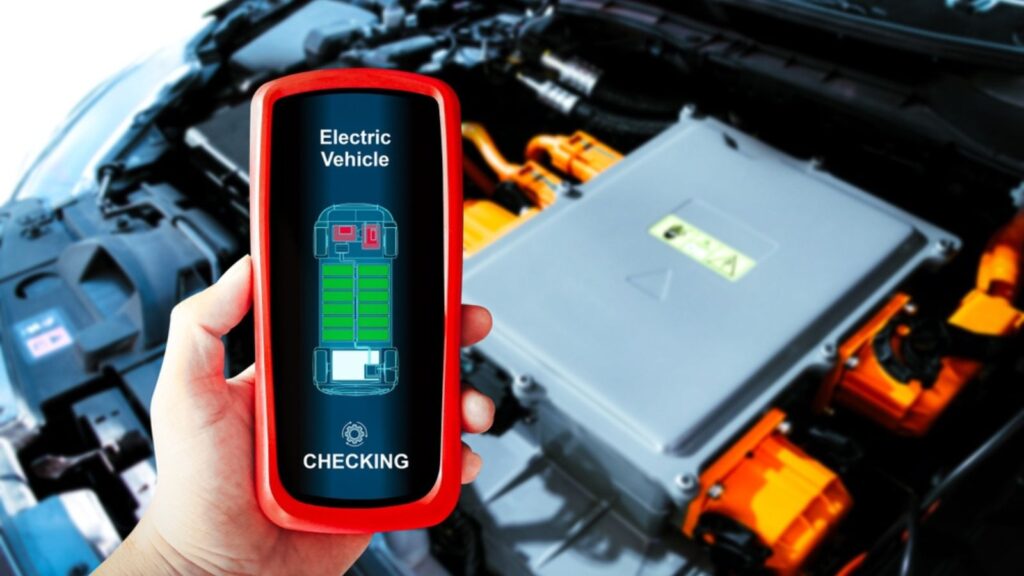
EVs don’t require oil changes, oil filter changes, or many maintenance items associated with internal combustion engine vehicles. But that doesn’t mean they’re maintenance-free. Re-read point #6 above. New models have plenty of issues to contend with.
Americans Are Ready for Mass Adoption of EVs

No, Americans are certainly not ready for mass adoption of EVs. That’s why EVs still account for a small percentage of vehicle purchases. Some people won’t ever get on board, while others are taking a wait-and-see approach to see how the industry evolves.
EVs Are Ready for Prime Time

While the EV space is developing and getting more interesting, there are still regions where it makes little sense to buy one. People living in rural areas where the EV charging infrastructure isn’t nearly as developed as in cities and suburbs will want to wait until things improve.
EV Charging Stations Are Highly Reliable

The pro-EV lobby will tell you that the EV charging network works like a charm. And, to be fair, it does provide fairly reliable uptime. But it’s worth noting that it’s not uncommon to go to an EV charging station and see one or more chargers out of commission. That can result in longer lineups and wait times for people who need to charge their EV batteries.
EV Batteries Cost About the Same as Internal Combustion Engines

EV batteries are designed to last 10 to 20 years. So, that could very well be the life of the car, which is good. But if you have to replace the battery out of warranty, it can set you back between $6,500 and $20,000. The price tag might be enough to discourage would-be EV buyers.
EVs Offer As Much Variety as Internal Combustion Engine Cars

That’s not even close to being true. Traditional vehicles offer way more makes, models, and trims than EVs do. That’s one reason some motorists aren’t budging.
EVs Hold Their Value Pretty Well

One source says EVs depreciate 13.9% per year while gas cars depreciate 10.4% per year. It can be demoralizing to buy a brand-new EV and then watch as depreciation demolishes the value. It’s one reason some people are waiting on the sidelines or choosing to lease EVs instead.
Setting Up an EV Charging Station at Home is Easy-Peasy

One of the benefits of owning an EV is the potential to charge it at home. But what the pro-EV lobby won’t tell you is it can cost a small fortune to get set up. First off, a level 2 charger might cost more than you think. And you might have to pay more to upgrade your electrical system.
Don’t Believe the Hype

EVs have their benefits — that’s one thing the pro-EV crowd gets right. But EV fans will feed you a steady stream of propaganda to convert you to the EV worldview. Some of what they say is true, while much of it is exaggerated. And sometimes, they say things that are outright lies or misinformation. So, it’s worth repeating: take what they say with a grain of salt.
More From Driver’s Drift

14 Cars That Consistently Fail Crash Tests

15 Reasons You Should Never Buy a Car in Cash (Even if You Can Afford to)

15 Things Boomers Taught Us About Cars Which Are Totally Wrong Today

17 Hybrids to Avoid at All Costs


