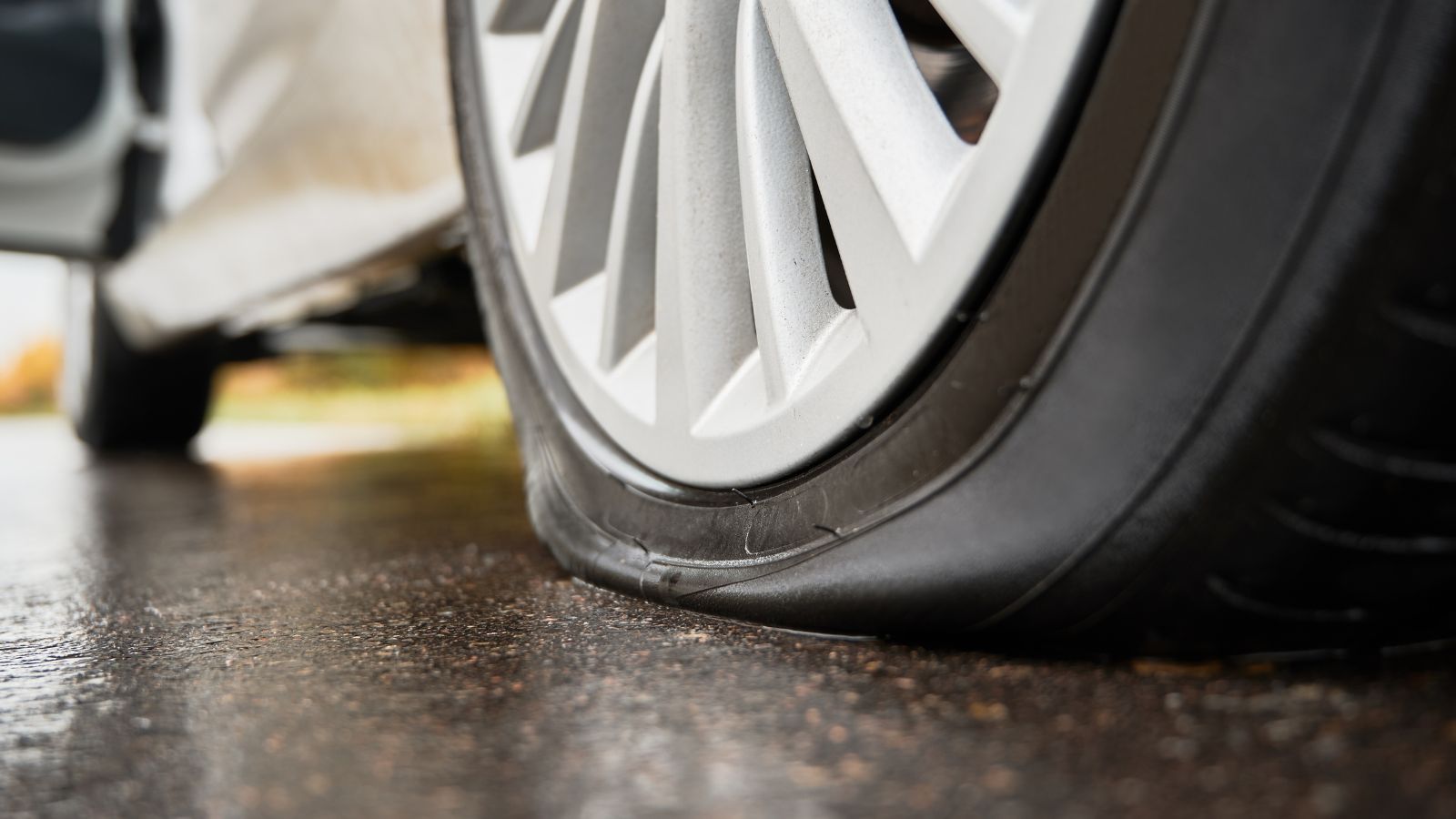
Americans drive an average of 12,000 to 15,000 miles annually, depending on which source you consult. That means brand-new all-season tires should last three to five years or so.
Factors like tire quality, maintenance, driving style, and road conditions can lengthen or shorten the lifespan of your car’s tires.
Since the only things between the road and your vehicle are four small patches of rubber, you can’t afford to take your tires for granted. The problem is that too many motorists do just that.
Here are 16 signs you must change them sooner rather than later to avoid serious problems.
Your Car Shakes Back and Forth When You Drive

Does your car shake back and forth regardless of the speedometer reading? There are different reasons this might happen. If the tires are worn, the metal belts inside could become displaced, leading to vibration. If the tires have broken down in this way, you’ll need new tires.
Your Tires Don’t Pass the Penny Test
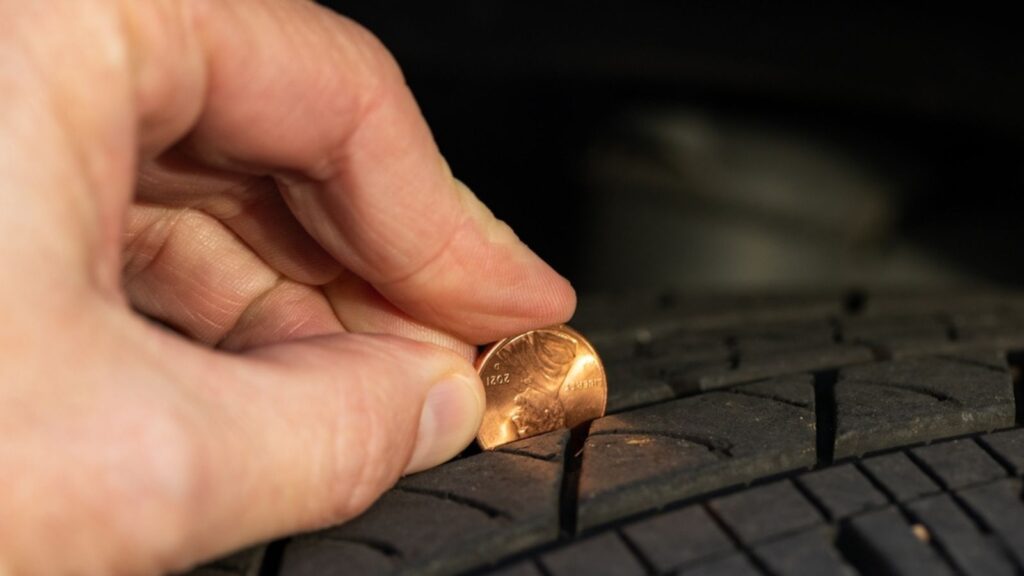
Are you pondering whether your tires have some life left or are just about done? One way to find out is by doing the penny test. Get a penny and place it in a tread groove. It should be positioned so that the top of Abraham Lincoln’s head is facing down. If the top of Lincoln’s head is visible, your tire doesn’t have enough tread and should be replaced.
Your Tires Have Bulges

Another telltale sign that your tires should be replaced is bulges. That’s never a good sign. Bulges on the sidewalls indicate that the structural integrity of your tires is compromised. Using them in that state will increase the risk of a tire blowout. Imagine that happening if you’re driving on a busy highway and can’t pull over to the shoulder.
Your Tires Have Cracks
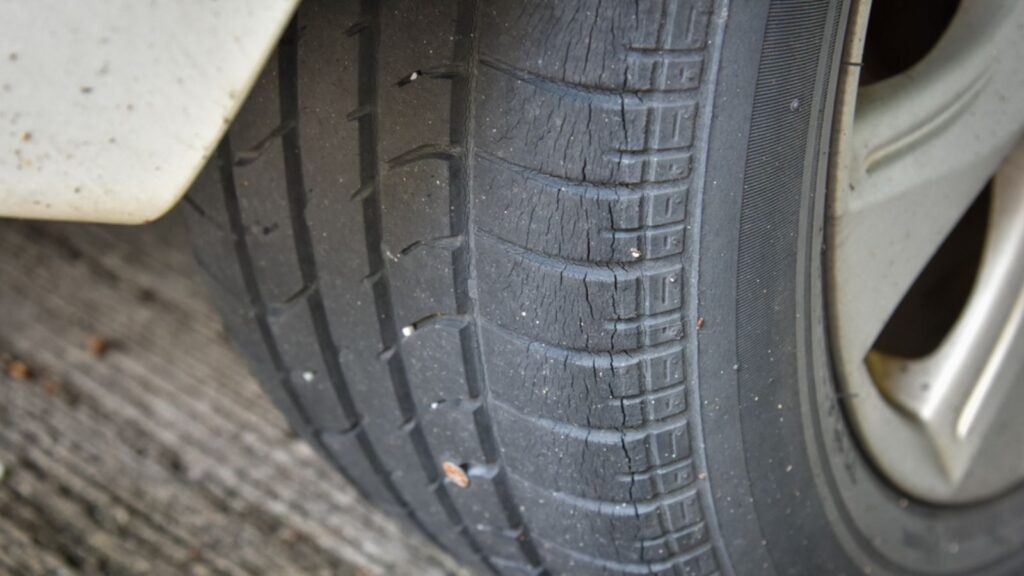
It’s time to hunt for brand-new tires once cracks start forming in the sidewalls. Cracks, like bulges, signify the compromised structural integrity of the tires. Don’t risk your safety and that of other drivers, passengers, and pedestrians — get new tires.
You Can See the Tread Wear Indicator Bars

Modern tires have tread wear indicator bars built in. These raised bars are positioned around the tire to help you determine its condition. When the tread lowers to the level of the tread wear indicator bars, the tires will get louder, and tire performance will also decrease.
Your Tires Are Too Old

One tire manufacturer recommends that consumers replace their tires no later than the decade mark and should get yearly inspections after year five. Considering the importance of your tires, you don’t want to dilly-dally on tire safety.
Your Vehicle’s Traction Leaves Much to Be Desired

If you have difficulty stopping during inclement weather, check your tires. According to one source, most new tires have tread depths of 11/32 of an inch or 10/32 of an inch. That’ll give you maximum traction and stopping capabilities.
But as tires age and get used, the tread will decrease. Once it reaches 4/32 of an inch or 3/32 of an inch, stopping performance will leave something to be desired. And if you delay and let the tread get to 2/32 of an inch or less, the tread will be dangerously low. You don’t want a situation where you hydroplane during a rainstorm or slide around on the road during a snowstorm.
You See the Cords on Your Tires
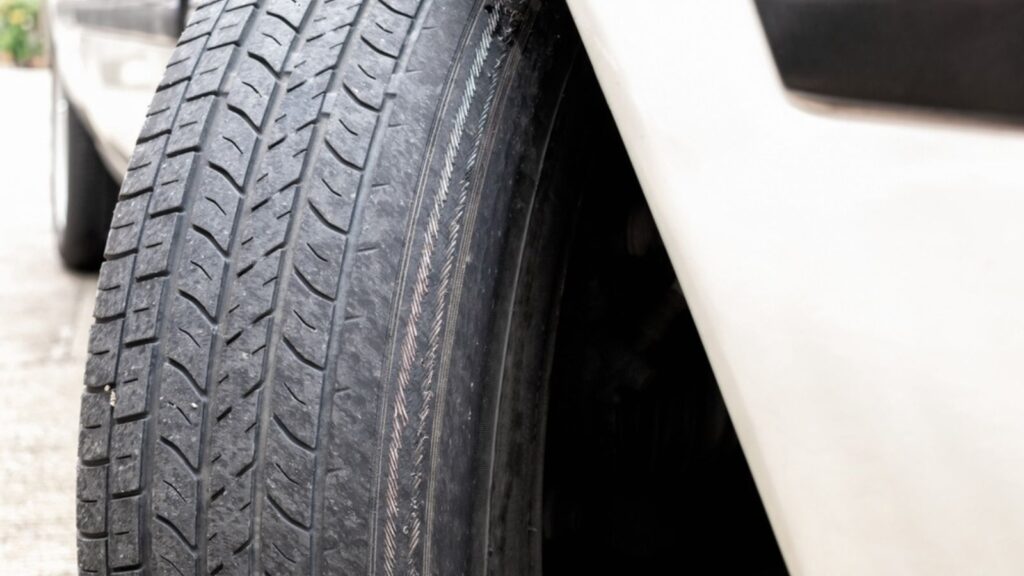
Under normal circumstances, you’ll never see the cords in your tires. They’re meant to reinforce your tires and assist with absorbing pressure and shock. So, if yours becomes visible, that’s a sign you need to replace the tires in question. Otherwise, catastrophic failure, like a tire blowout, could occur.
You See Uneven Wear and Tear

Uneven wear on your tires is a reason to dig deeper. If the uneven wear is pronounced, you might have to replace all four. Under-inflation or over-inflation can contribute to uneven tire wear, as can suspension issues. Unless you’re a DIYer with car experience, see your mechanic to discover why you’re experiencing this problem.
You Find That Tires Don’t Stay Fully Inflated

If your tires won’t stay inflated, that’s a problem. You must investigate whether the issue is due to punctures, valve stem malfunctions, or something else. New tires might be in order.
You Know Your All-Seasons Are No Match for Winter

While all-season tires are great for three seasons of the year, they really are just that…three-season tires. For the winter season, you need winter tires. That means two sets of tires. The extra cost is worth it when considering the benefits.
You should install winter tires once the temperatures consistently register in the 40º F region. When it gets colder, your all-season tires will get more rigid and lose traction.
Your Tire Pressure Monitoring System Keeps Going Off

Another sign you might have to change your tires is if your car’s tire pressure monitoring system (TPMS) continues to activate. It’s not a sure sign since the system could be malfunctioning. But it’s worth digging further. You can check the tire pressure manually and visit a mechanic to check if your TPMS is working.
You Want to Be Extra Cautious

You might want to replace your tires every few years — just to be extra safe. You don’t have to wait until the tread gets dangerously low. You might opt to get new tires every three years, for instance. That way, you can rely on your tires.
Your Tires Are Subject to a Recall

Another reason to replace your tires is if yours are the subject of a recall. You shouldn’t drive on tires that the manufacturers have recalled. You can check out the U.S. Tire Manufacturers Association’s tire recall lookup database for any recalls.
You’re Selling a Car Saftied and Need to Replace the Tires

It makes sense to replace the tires if the plan is to sell your vehicle with a safety warranting it’s safe to insure without any immediate work. If that’s your intention and you see the tread is too low or borderline, you should invest in a new set of tires.
You’ve Reached the Recommended Mileage

Tire manufacturers stipulate the number of miles their tires are good for. If you’re approaching the recommended mileage amount, it’s time to consider replacing your tires.
Don’t Delay When It Comes to Your Tires

Your tires are critical to your vehicle’s overall performance, functionality, and safety. So, you must prioritize buying quality tires, maintaining them, and replacing them as necessary.
More From Driver’s Drift

15 Common Tire Brands That Don’t Deliver on Quality
16 Used SUVs to Avoid (Unless You’re After a Money Pit)

15 Compelling Reasons to Avoid Buying a Car With a Sunroof

15 Car Services You Don’t Really Need and Are Just Wasting Money On