

Some might hold on to their old cars because they fear having car payments. Others might choose to remain with older models because they aren’t sure they’ll qualify for a car loan. Whatever the reason, it’s important to remember that pushing your car for extra miles can be risky – especially if it can fail or cause accidents.
Here are 15 signs that you should retire your old car and purchase a new one.
Jerking Movements

If you notice jerking movements when driving your car, it can signify a transmission problem. As the car transmission system ages, it starts to wear out. The gears start to slip either due to low transmission fluid as a result of leakage or the fluid might be dirty.
If misfires accompany jerking, it can indicate an engine problem. Worn-out spark plugs, failing ignition coils, or damaged spark plug wires can cause engine misfires and jerking movement due to an uneven distribution of power.
Dirty fuel injectors can also cause jerking due to uneven fuel delivery. In addition to the fuel injector problem, a failed or clogged fuel pump and failing engine sensors cause this issue.
Random Changes In Car’s Speed

Random changes in a car’s speed can indicate that it’s aging and that you need to purchase a new vehicle. If the speed changes frequently when driving, it is a clear indication that the throttle body is dirty or failing. Over time, the throttle accumulates carbon buildup, which affects how smoothly it controls air intake.
Aging fuel injectors or a failing fuel pump may also cause speed changes, as failure of any may lead to inconsistent fuel delivery to the combustion chambers. Another cause may be faulty sensors like oxygen, mass airflow, or crankshaft position sensors, which feed incorrect data to the engine’s control unit. Leaking vacuum hoses may also be the cause because they disrupt the air-fuel ratio.
Finally, faulty or aging spark plugs, ignition coils, wires, and clogged catalytic converters may also be the cause.
Frequent Repairs
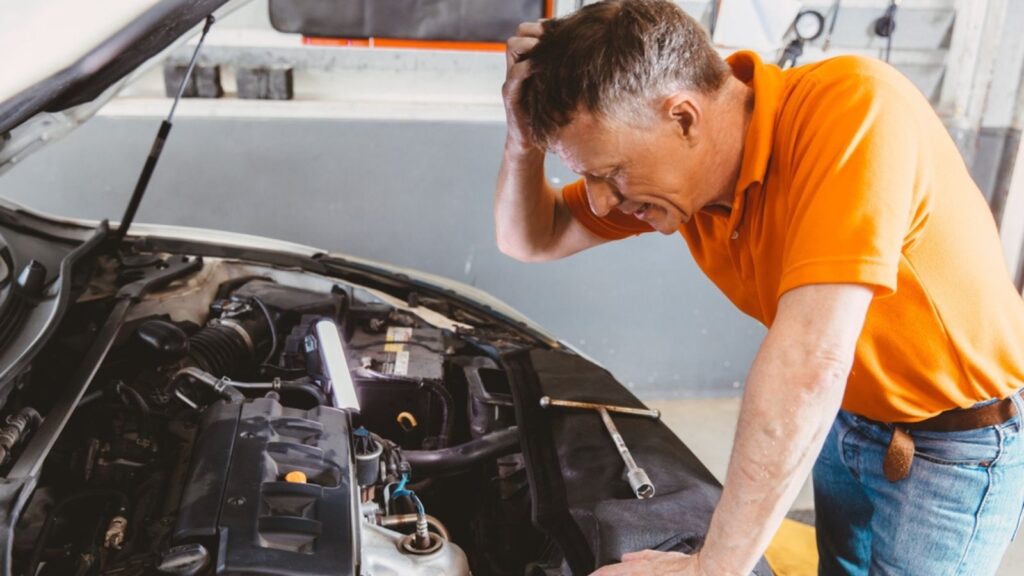
Upon driving the car out of the dealership, repairs are normally rare unless it is for normal servicing. However, as the car gets old, critical components start to wear, which may lead to frequent visits to the repair shops.
Mechanical degradation is inevitable as long as the vehicle is in use. Key components such as the engine, transmission, suspension, and brakes experience mechanical wear. Frequent repairs may point to the fact that these parts have exceeded their expected lifespan and are beginning to fail more regularly.
Poor Fuel Economy

Older cars often have poor fuel economy due to technological limitations, wear and tear, and outdated designs. Let’s face it: modern engines use advanced technologies like turbocharging, direct fuel injection, and variable valve timing to optimize fuel combustion and efficiency.
Many older cars use carburetors instead of fuel injection systems, which leads to higher fuel consumption. While the car may be operating optimally, comparing it to recent models may push you to buy a new car.
On the other hand, as engines and transmissions age, parts such as piston rings, valves, gears, and seals wear out, leading to poor compression and oil leaks. This makes the engine less efficient, forcing it to work harder and burn more fuel to generate the same amount of power.
The Car Doesn’t Match Your Lifestyle

A change in your lifestyle will require a new vehicle that will match your requirements. For instance, you may get a promotion at work, and your new senior position doesn’t quite match that little Fiat 500 you drove before. This may require you to upgrade the model.
Another issue may be commuting for longer distances. If you love saving time, a car with a powerful engine is better for longer distances. Also, if you have a bigger family, you may need a seven-seater SUV or a van that your family can travel in comfortably.
Other things you should consider are camping or going on long vacations. You may need a powerful vehicle to haul the tents, skis, and other equipment like boats or bikes.
Repair Costs Exceed the Car Value

If you frequently take your car to the reaper shop and learn that the repair costs exceed half of its value, it’s not worth keeping. The 50 percent rule states that repair costs exceeding 50% of the car value are not worth paying because recapturing that added value when the time comes to sell is hard.
Frequent Service Engine Light

The check engine light is a warning from the electronic control module that some parts of your vehicle engine are faulty. The ECU receives signals from different sensors to monitor whether the engine is operating optimally.
When the signals transmitted are wrong, the ECU will be indicated on the dashboard. So, if engine lights appear soon after the repairs, it’s an indicator that your vehicle is getting old.
Outdated Safety Features

Modern vehicles have more advanced safety technologies than older ones. With technology changing every year, it’s easy to find that your vehicle’s safety features are outdated just a few years after purchase.
For instance, modern cars have adaptive cruise control, which may help reduce collisions and enhance fuel efficiency. Another important feature is the rear backup camera, which helps you see the area behind your car when reversing. Electronic stability control (ESC) is also another vital feature designed to automatically help stabilize the car when it detects a momentary loss of control.
Curtain airbags, lane departure warnings, and blind spot monitoring, among others, are important safety features to look for if your old car doesn’t have them.
Loss of Value

The lower the vehicle value, the lower the compensation from your insurance. You can learn that your vehicle has highly depreciated from your insurance because every time you renew the insurance policy, the value has to be calculated. Vehicles above a certain age cannot get comprehensive insurance, which means you’ll have to dig into your pockets to pay for a lot of damage.
High Mileage

Mileage is a crucial factor in assessing a vehicle’s value and reliability. Generally, most vehicles are considered to have reached their end of life once they reach around 150,000 to 300,000 miles on the odometer.
When a vehicle reaches its end of life, most of its components are usually worn out. At this time, you have the option to dispose of it or perform a major service, which entails adding new components. Some of the aftermarket components may not be as durable as the factory components, and considering the cost may be too high, you may need to purchase a new car.
Unusual Noises

Unusual noises coming from the engine, brakes, suspension, or other components indicate that your vehicle is getting old. As the vehicle ages, components like the oil pump, water pump, and other moving parts wear, leading to poor lubrication. This causes a lot of noise when the car is in motion.
Difficulty Passing Emissions Tests

It’s always a big deal when your car doesn’t pass the emission tests. Federal law requires the vehicle not to exceed certain emissions to protect the environment. Failing these tests immediately proves your car is outdated, and this may lead to frequent fines by the traffic department.
Even before going for emission testing, you can tell whether your vehicle exhaust system is right by the smell of the fumes. If the tailpipe releases smelly and choking gases, you’re more likely to pollute the environment with harmful gases.
Rust and Corrosion

Manufacturers coat the vehicle with several layers of paint during manufacturing to prevent rusting. However, this coating becomes ineffective with time, giving way to rust. Rust and corrosion can damage your car to the extent that it becomes risky to drive. If the undercarriage, body, frame, and other components are rusted, you may need to purchase a newer, safer car.
Frequent Overheating

Overheating is a common symptom of engine trouble as it ages. Usually, the moving parts wear and start developing friction, which causes excessive heat. Also, the cooling system that circulates coolant to cool the block may be faulty, leading to engine overheating. Long periods of overhauling may lead to complete engine damage.
Excessive Oil Consumption

Excessive oil consumption in a car can be a sign that the vehicle is aging or experiencing wear and tear. As a car ages, engine components like piston rings, valve seals, and cylinder walls wear out. These parts are designed to prevent oil from leaking into the combustion chamber, but over time, they lose their ability to form a tight seal. This allows oil to seep into the combustion chamber and get burned along with fuel, leading to higher oil consumption. When this starts to happen, it’s a sign your car is ready for retirement.
What To Do With Your Old Car?

When purchasing a new car, there is a wide range of options to dispose of the older one. The first option is to trade in at the dealership. Dealers can calculate the value and trade it in with the newer model, which may reduce your purchase cost. Secondly, you can sell it independently, provided it’s running. Also, you can consider junkyards or donate it to a charity for the benefit of tax deductions.
More From Driver’s Drift

17 Cars That Are Incredibly Fun to Drive

13 SUVs with the Most Luxurious Interiors

13 Cars Owners Wish They’d Never Purchased

16 Reasons Why Some Americans Will Never Embrace Electric Vehicles


Peterson is an automotive content writer, blogger, and copywriter who is passionate about turning automotive experiences into compelling words. He developed an interest in cars at a young age and, upon reaching adulthood, mastered the ability to simplify complex automotive topics and present them engagingly.


