When someone wants to go green but isn’t ready to commit to an electric vehicle, a plug-in hybrid combining a battery pack and internal combustion engine might make sense.
According to Green Car Reports, a record 250,000+ plug-in hybrids were sold in 2023. Citing the Department of Energy, it adds that plug-in hybrid sales represent around 20%—or one in five—of total plug-in vehicle sales.
Buyer’s Remorse?

While some consumers prefer plug-in hybrids over EVs, here are 15 reasons you might regret purchasing one. In fact, you may regret it so much that you switch to an EV or switch back to gas-powered cars.
You Might Get Tired of Its Jack of All Trades Status
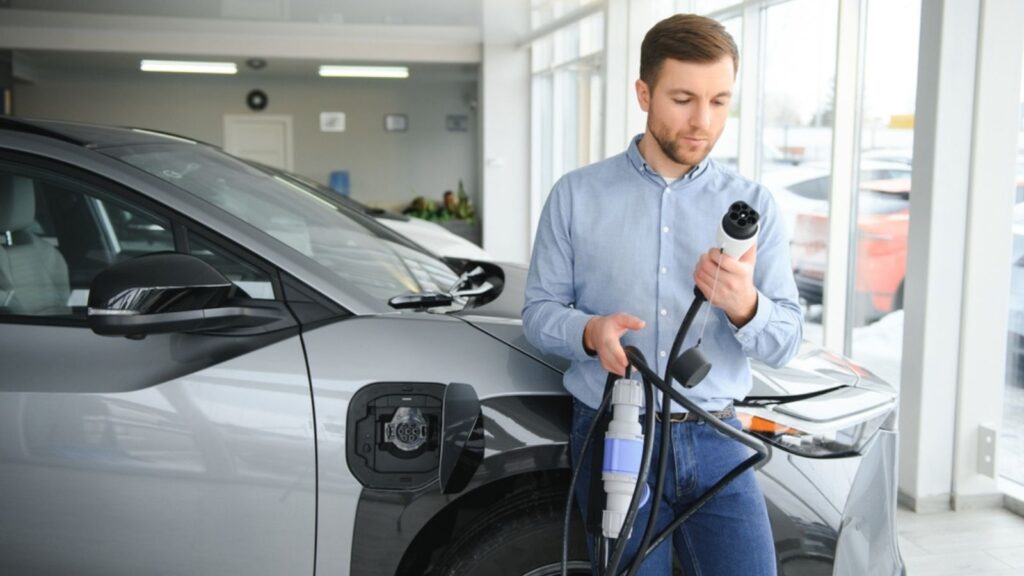
While a key selling point of plug-in hybrids is their batteries and engines, it’s also a primary drawback. The saying goes, ‘a jack of all trades is a master of none.’ If you go the plug-in hybrid route, you might grow weary of the short electric-only range and the small gas tank.
You Might Find the Electric-Only Range Unsuitable

If you have long commutes, an electric-only range of 30, 40, or 50 miles might not cut it. The gas motor will kick in sooner rather than later, causing you to wonder why you even bothered with a plug-in hybrid in the first place.
You Might Slay the Dreaded Range Anxiety

While range anxiety isn’t as prevalent as it once was (you can thank the improved public charging infrastructure for that), it’s still a thing. But if you get accustomed to your plug-in hybrid and experience the EV infrastructure for yourself, you might not worry about getting stranded. In fact, it might leave you longing for an EV instead of a plug-in hybrid.
You Might Get Tired of the Stares at Level 3 Charging Stations

EV charging station etiquette is important. If you visit one with a plug-in hybrid and dare to use a Level 3 charger, don’t be surprised if you get some looks of disapproval. People with EVs will wonder why you didn’t just go to a gas station rather than take up a spot that EV drivers need.
You Might Feel Like a Hybrid Is a Placeholder

As you get accustomed to driving a plug-in hybrid, you may come to view it as a placeholder rather than a final destination. Simply put, it might feel like a baby step toward an EV.
This could dampen your plug-in hybrid ownership experience until you get what you really want—an EV.
You Might Spend More to Maintain the Complex Powertrain

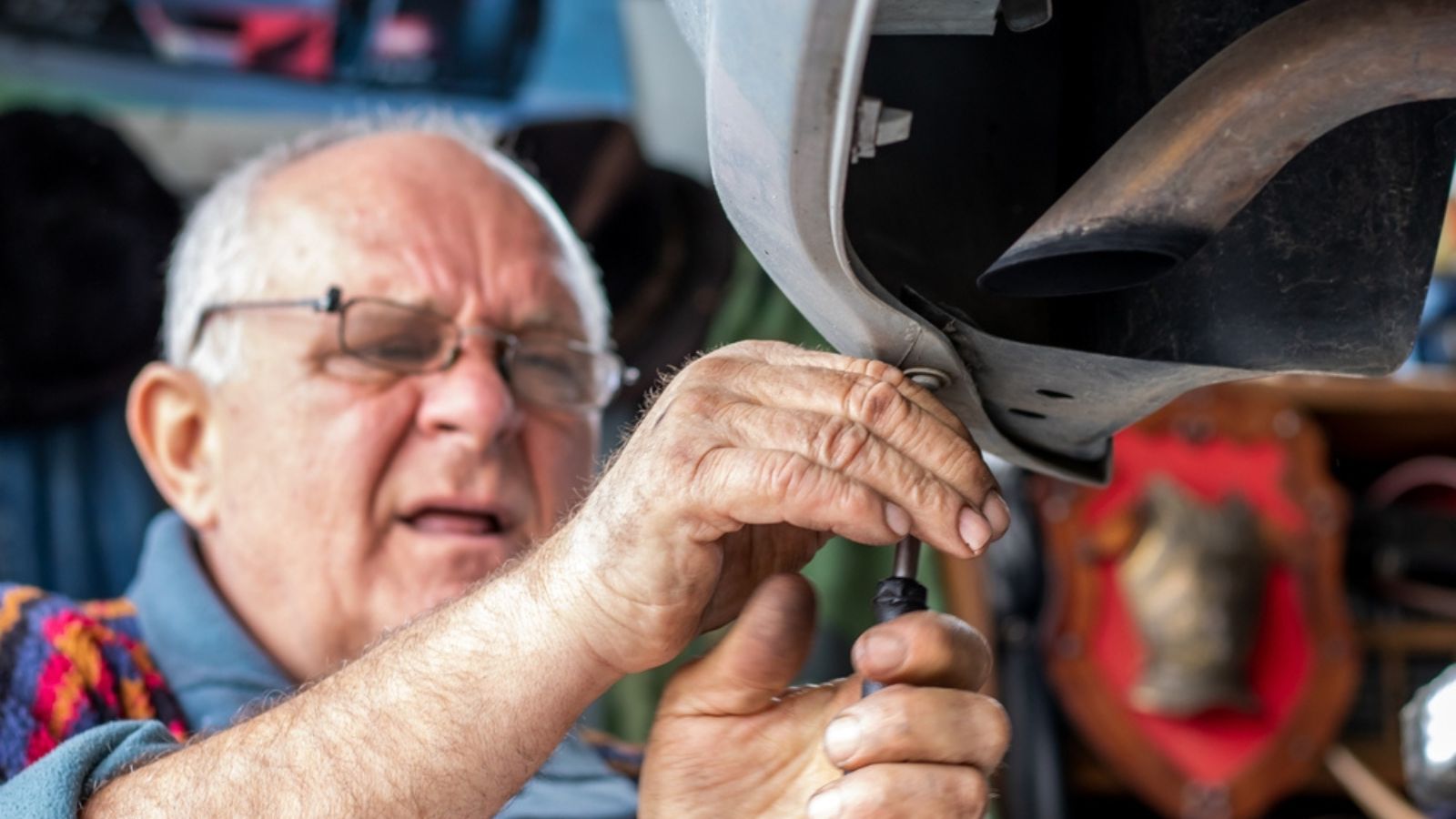
Many plug-in hybrid owners fail to appreciate the complexity of the powertrain. Remember, these vehicles include an engine and an electric motor rather than one or the other. So, the powertrain, with greater complexity, requires more maintenance and repair compared to an EV or traditional vehicle.
You Might Realize You Bought the Wrong Car

If you have short commutes, a plug-in hybrid can be a godsend. You might rarely have to tap into the gas engine. But if you have long commutes or go on road trips, you might not experience the benefits of an electric motor. Instead, you might have a case of buyer’s remorse.
You Might Get Tired of Charging It

Since the range of a plug-in hybrid isn’t much to write home about, you might tire quickly of the frequent charging sessions. That can get annoying if you do a lot of driving. And if you don’t have home charging, it can take more effort than you want to charge.
You Might Experience Unfavorable Fuel Efficiency

If you wind up using the gas engine more than the electric motor, your gas mileage might not be much better than if you had bought a traditional vehicle. So, you’ll pay a premium for a plug-in hybrid over a regular car without seeing any savings on fuel, which could frustrate you.
You Might Not Have Enough Cargo Space

Because a plug-in hybrid has a gas engine and an electric motor, space is at a premium. EVs and traditional cars have batteries and engines, respectively, while plug-in hybrids have both. In other words, plug-in hybrids don’t have as much space as their gas-powered counterparts.
You Might Experience Maintenance You Never Expected

EV owners won’t have to worry about maintenance tasks like changing engine oil, replacing oil filters, and changing spark plugs, as EVs don’t require them. But if you purchase a plug-in hybrid, the engine must be maintained.
You Might Hate the Noisy Gas Engine Activation Sounds

After a plug-in hybrid runs out of electric power, it might make an unpleasant sound as it switches to the gas engine. That can be jarring if you go from a quiet cabin to a noisy one.
You Might Regret It For Not Being Green Enough

Many people who give up their internal combustion engine vehicles for EVs or plug-in hybrids do so for, among other things, the environment. But a plug-in hybrid still burns fossil fuel. So, if you’re environmentally conscious, you may regret not purchasing an EV instead.
You Might Spend More Time at Gas Stations Than You Like

You might be surprised at how many plug-in hybrid owners don’t charge their electric batteries that much—or at all. Some rely on the gas engine and don’t take the time to charge the batteries because of the limited electric-only range. That means stopping at gas stations often.
You Might Get Annoyed With Charging Infrastructure Limitations

Another thing about EV charging stations is that they’re built to accommodate the needs of EV owners. Plug-in hybrid owners are an afterthought. You might have trouble finding charging stations that meet your needs, which may sour your plug-in hybrid ownership experience.
Should You Get a Plug-in Hybrid or an EV?

While many people love plug-in hybrids and don’t want an EV or internal combustion engine vehicle, some plug-in hybrid owners eventually move onto EVs. Remember, the route you take depends on the type of vehicle that’s best for you.
More From Driver’s Drift

GM Recalling 450,000 Trucks and SUVs: Here’s What You Need to Know

15 Used Cars To Steer Clear of at All Costs

15 Vehicles That Leave Owners With Buyer’s Remorse

15 Things Boomers Taught Us About Cars Which are Totally Wrong Today