

Few things can be as frustrating or distressing as getting behind the wheel of your car, putting the key in the ignition or pressing the start button, and failing to get the response you expected.
Whether it cranks over but doesn’t start or doesn’t do diddly squat, the issue can be unnerving.
While you may have to call AAA to tow your vehicle to an auto repair facility, it doesn’t hurt to troubleshoot beforehand to see if you can Sherlock Holmes your way to a solution.
Here are 16 possible reasons your car won’t start despite your best efforts.
Battery

When your car starts acting up, it’s best to check the simple stuff before giving way to panic. The problem might be as simple as the battery. If the battery is dead, the terminals are contaminated, or the battery won’t hold a charge, you might not be able to start your car. You might hear a clicking sound—often a sign your battery is the problem.
It can happen if you leave the headlights on after getting home late at night. If the battery is drained, charge it up or get a boost. But if the battery is on its last legs, it’s time to get a new one.
Alternator

Sometimes, the problem is the alternator. If you have trouble starting your vehicle, experience frequent stalling, or see a battery symbol on the dashboard, your alternator might be about to go. A straightforward way to see whether the problem is the battery or the alternator is to start your car using a jump starter and then disconnect the jumper cables. If your engine stalls, it’s a telltale sign your alternator is the issue.
Starter Motor

Depending on your vehicle, the starter can last anywhere from 100,000 to 200,000 miles or 80,000 to 100,000 starts. If your car won’t start and the issue is neither your battery nor alternator, it might be the starter motor.
Some experts recommend tapping the starter with a blunt object like a mallet or hammer to get it to work until you can change it.
Electrical

Another reason your vehicle might not start is electrical issues. It could be the battery cables, the fuse box, or the wiring. The odds are you’ll want an auto mechanic to correct electrical or wiring issues.
Fuel

Remember the part about checking the simple things first? One reason you might not be able to start your car is the fuel tank might be empty. You might be surprised at how often people forget to stay on top of the fuel level and end up in situations where they can’t start their cars.
Engine
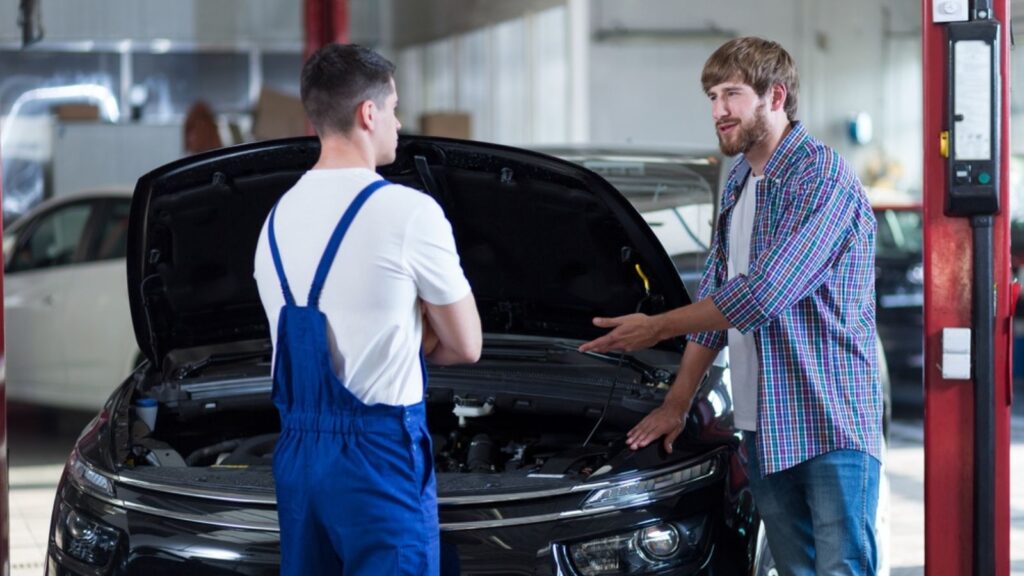
Hopefully, the engine isn’t the issue. That could cost thousands of dollars to sort out. Depending on the age and condition of your vehicle, fixing or replacing the engine might not be worthwhile.
Plug in an OBD2 scanner, put the key in the ignition, and turn to idle mode, where the dash lights turn on, but the starter doesn’t engage. If the engine symbol appears on the dashboard and blinks, you’ll want to make an appointment to see a mechanic as soon as possible.
Spark Plugs
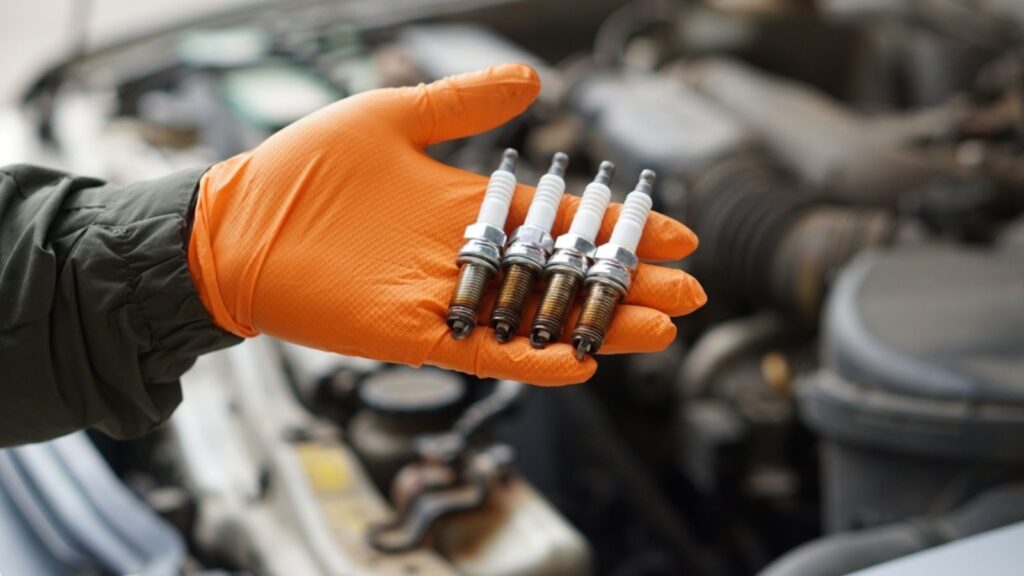
Another possible cause of your no-start problem is fouled spark plugs. Fortunately, there are some telltale signs your spark plugs are on their way out. Try to recall if any of the following symptoms manifested before your troubles began: engine surging, lack of acceleration, and engine misfiring. If so, your spark plugs might be the issue.
Starter Relay

Your vehicle’s starter relay might be the problem. It’s a small device that transfers power to the starter. The starter relay might be faulty if you hear a click when starting your car. If so, try swapping the starter relay for a new one and see if that fixes the problem.
Distributor Cap

Does your vehicle have a distributor system? If it does, check it. A damaged distributor cap could be enough to prevent your car from starting. So, inspect it to see whether or not there is any damage. Replacing the cap could resolve any such issues.
Ignition Switch

Another possible reason your car won’t start despite your best efforts is a damaged ignition switch. The ignition switch directs power from the battery to the starter motor. So, it stands to reason that if the ignition switch is inoperable, the engine won’t start.
Fuel Filter

A clogged fuel filter can also cause no-start problems. It can lead to low fuel pressure that potentially causes engine misfires, rough idling, or no-start situations. Remember that if the fuel filter is clogged, fuel can’t reach the engine.
Fuel Injectors

If your car’s fuel injectors are worn out, fuel won’t reach the engine. That’ll prevent the vehicle from starting. Signs of bad fuel injectors include surging, reduced fuel efficiency, hesitation, engine misfires, and check engine lights. Have your car towed to a mechanic for diagnosis.
Fuel Pump

Yet another reason your car won’t start could be a faulty fuel pump. Your car’s fuel pump gets fuel from the gas tank to the motor under the hood. So, if the fuel pump is not working and won’t pump gas to the engine, the motor won’t have the fuel it needs to start.
Vapor Lock

While unlikely, the problem may very well be vapor lock. If you have an older car, vapor lock can happen if it gets too hot outside. The extreme heat can cause fuel in the fuel line to vaporize, preventing the engine from starting.
Cold Weather

You might find it impossible to start your car when it’s too cold outside. Cold weather can thicken the oil and reduce the cranking power of your battery. It might be necessary to use a block heater overnight, park in a heated garage, or use a jump starter to avoid this issue.
Mass Air Flow Sensor

A mass air flow sensor is a small piece of equipment that measures how much air gets inside a fuel-injected internal combustion engine. If your mass air flow sensor is faulty, it won’t do what it should, and your vehicle might not start.
A Non-Starting Vehicle is a No-Go

These are some reasons why your vehicle won’t start. Some of the problems are easy DIY fixes, while others may require the assistance of an auto mechanic. Whatever you do, try the most straightforward solution first. More often than not, the solution is something you can perform independently.
More From Driver’s Drift

14 Cars That Consistently Fail Crash Tests

15 Reasons You Should Never Buy a Car in Cash (Even if You Can Afford to)

15 Things Boomers Taught Us About Cars Which Are Totally Wrong Today
17 Hybrids to Avoid at All Costs


