

Do you dream of a green future where electric vehicles are the norm and gas – or diesel- engine cars only exist as exhibits in automotive museums?
While EVs have come a long way — remember when the only viable options were Teslas? — some consumers aren’t budging. Even if you forcibly pry their hands from the steering wheels of their internal combustion engine cars, they would still rather take the bus than buy EVs.
Some Dip Their Toes in the Water

But here’s where things get interesting. Some motorists who’ve taken the leap of faith by going electric have sobered up, regretted their decisions, and exchanged their EVs for gas vehicles.
Here are 15 reasons why some EV owners return to internal combustion engine cars.
They Don’t Like Waiting to Charge EVs
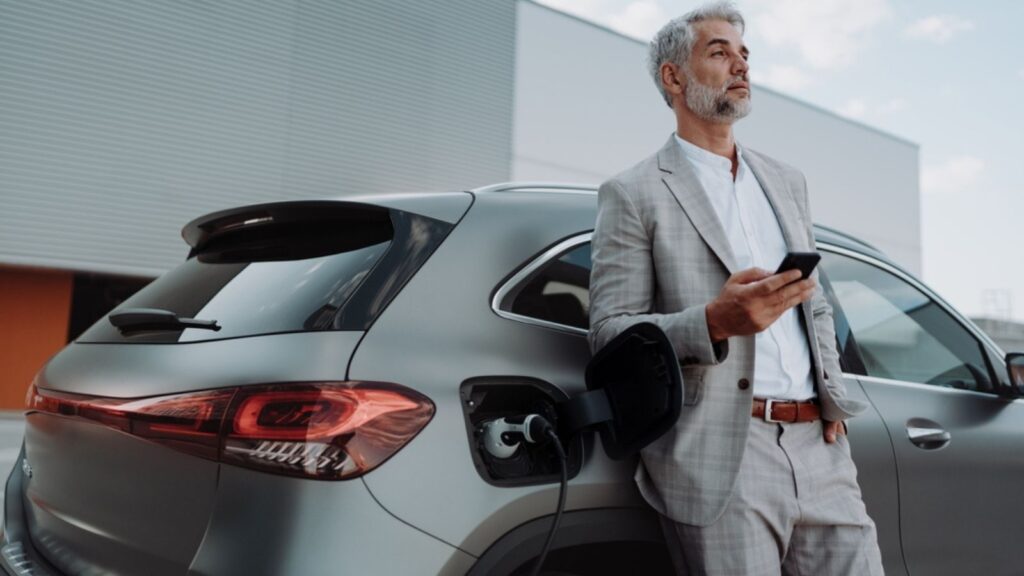
If you’ve driven internal combustion engine cars all your life, getting used to EV charging stations can be difficult. Even the “fast” ones are dreadfully slow compared to gas stations.
Some EV owners get sick and tired of waiting around, so they return to the gas care they’re comfortable with.
They Don’t Find EVs Engaging Enough

Are you used to driving a manual transmission car? If so, you might not like the feel of an EV. Some driving enthusiasts insist you can’t truly drive unless you can drive a stick shift. So, operating an EV might feel foreign. If you like the control a manual transmission gives you over a vehicle, driving an EV might not be as fulfilling or enjoyable.
They Like the Sound of a Motor

Another reason some people end their EV journeys and return to internal combustion engine cars is that they like the sound of an engine. EVs might be a little too quiet for some motorists. Some EV makers include software enabling drivers to create sounds, but that’s fake.
They Have a Hard Time Finding Public Charging Stations

Depending on where you live, it might be a challenge to find public charging stations. They’re prevalent in bigger cities, but there are areas where they’re few and far between. A traditional vehicle might make more sense if you buy one and struggle to find somewhere to charge.
They Get Sick of the Higher Cost of Ownership

Kelley Blue Book says the average cost to buy an EV in June was $56,371 versus $48,644 for a car with a gas engine. But besides the upfront cost, you might be shocked at how much EV ownership costs.
For instance, Kelley Blue Book notes that EVs often require costlier repairs than their internal combustion engine car counterparts. And insuring an EV could be more expensive than insuring a traditional vehicle.
They Can’t Get Over Range Anxiety

One report shows 76% of prospective EV owners have range anxiety on their minds. However, only around 6 in 10 current owners still have such concerns. While range anxiety does seem to drop as time goes by, that doesn’t mean it entirely goes away.
If you do a lot of long-distance driving, you may not want to deal with range anxiety in the back of your mind.
They Don’t Like the Range Hit When It’s Cold

Some drivers report a 20% range loss when the temperatures dip below freezing. That might not be a big deal if your EV typically has a good range. But if the range is already too small when the weather’s good, you might find your EV unusable if you lose 20% of it during the winter.
They Can’t Live With the Lower Range While Towing

Towing an EV dramatically reduces range. The towing range can be 50% of the non-towing range. That’s a big drop, and some EV owners might not be willing to accept this new normal. They may switch back to a gas vehicle for towing.
They Can’t Charge at Home

One of the benefits of owning an EV is charging it overnight and waking up to the equivalent of a full tank of gas. But what if you don’t have home charging? Not all homes or living arrangements are suited for installing EV chargers. And relying on public charging stations can be a major pain.
They Realize EVs Aren’t What They Expected

Yet another reason some EV owners switch back to gas cars is they get disillusioned — realizing that EVs aren’t what they expected. If they encounter difficulties with range anxiety, home charging, or other things, they may get off the EV Express sooner rather than later.
They Worry About Battery Degradation
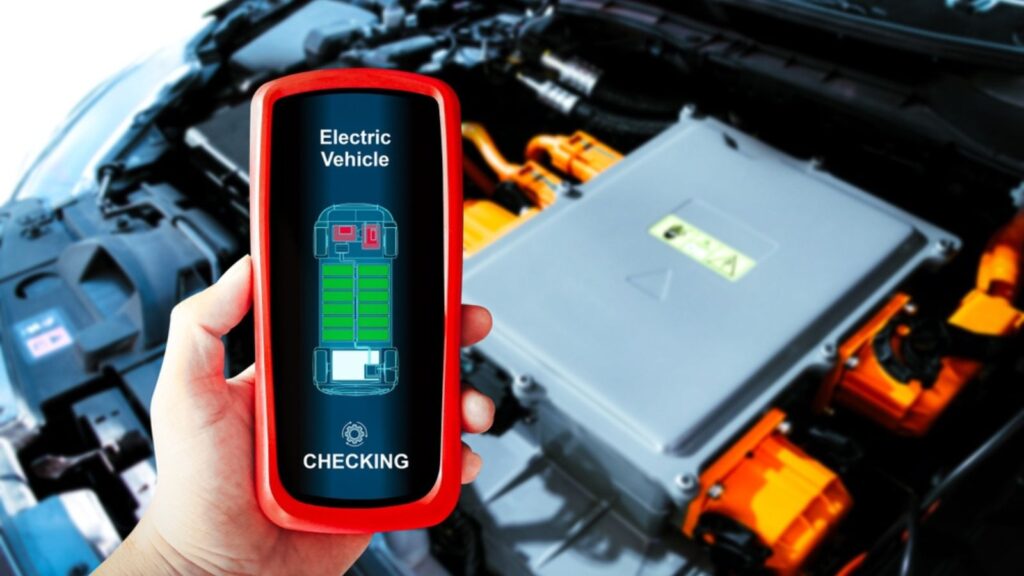
One source says EV batteries can last two decades — assuming they degrade at a 1.8% average rate annually. But there are some high-profile cases of EV batteries going kaput — forcing owners to fork over tens of thousands to replace them. Some EV owners are bailing and returning to gas cars to avoid facing similar issues.
They Have Trouble Finding Mechanics Specializing in EVs

You might struggle to find mechanics with the skills to work on EVs. Having to travel further to get the help you need might prove to be too much. You might long for the good old days of easily finding mechanics to work on your gas- or diesel-engine vehicles.
They Bought the Wrong One

Nothing will drive someone to ditch an EV and return to a gas car faster than buying the wrong EV. If you do a lot of long-distance driving, the last thing you should do is buy an EV with a small range. You’ll want to pull out your hair if you spend as much time at charging stations as on the road.
They Miss Wrenching on Cars

EVs aren’t as DIY friendly as gas or diesel cars. Owning an EV you can’t wrench on the way you can wrench on an internal combustion engine vehicle might be all it takes to get you to switch back to a gas car.
They Have Different Needs
Some people buy EVs but need to change vehicles for some reason. Whether because they are moving from the city to the country or because they are getting a job further from home, they may find an EV impractical. They might trade in their EVs for gas vehicles.
EVs, Unlike Diamonds, Aren’t Forever (For Many EV Owners)

These are some reasons people don’t stick with EVs. While many EV owners love their vehicles and wouldn’t dream of returning to gas cars, others dip their toes into the EV space but soon return to what’s familiar.
More From Driver’s Drift

15 Continuously Variable Transmissions (CVT) Cars That Are Worth Your Investment

13 Cars Owners Wish They’d Never Purchased

14 Sedans That Make More Sense to Own Than Crossovers

12 Secrets Car Salespeople Would Prefer You Didn’t Know When Buying a Car


