

Although you might be tempted to buy a new car after retiring, it’s not necessarily the right move. Sure, you might have a nice pension waiting for you, but most people tend to spend more cautiously after retirement than before.
Here are 16 reasons to pump the brakes and hold off buying a new car when you retire.
Fixed Income

One reason to hold off buying after throwing in your chips is that you may be on a fixed income. Unless you have the financial wherewithal to shoulder such a transaction without relying on a loan, weigh the pros and cons before proceeding. People with fixed incomes could stretch themselves too thin, throwing their monthly budgets out of order.
Depreciation

Many vehicles lose as much as 20% of their worth—that’s one-fifth—within one year. Following the first year, they can lose around 15% in value annually until year four or five.
You’ll need to ask yourself whether or not the depreciation is worth it. If you buy a new vehicle on a fixed income that depreciates rapidly, you could worsen your financial situation.
Maintenance and Repairs
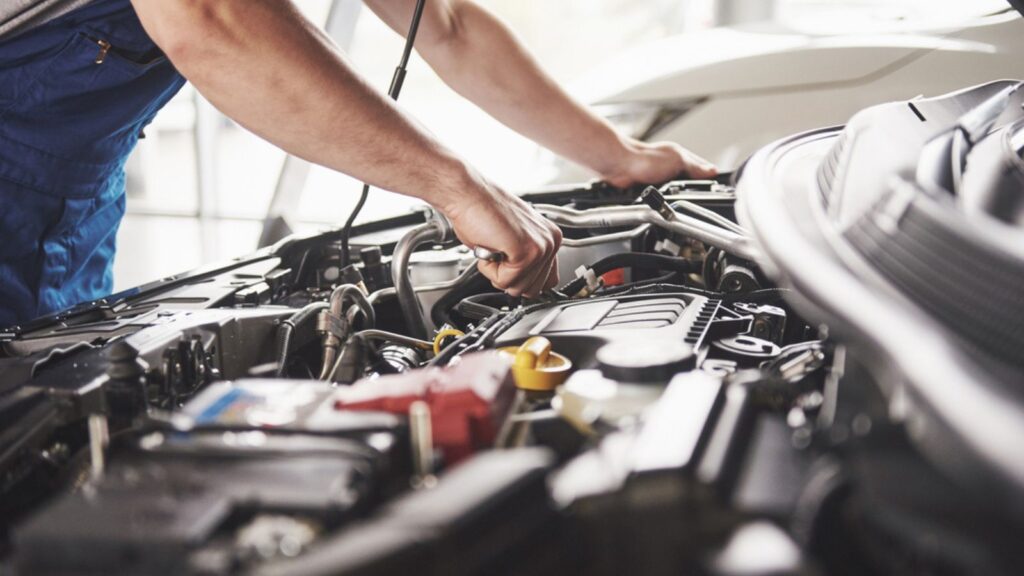
Maybe you feel like adding another car to your stable and believe retirement is a good time to do it. But weigh whether you have the financial ability to stay on top of maintaining another car.
If money’s tight, you may neglect proper maintenance, increasing the odds of expensive repairs. If you don’t have an income, you could soon find it hard to keep up with the costs of car ownership.
Safety

Finding out you’re no longer able to drive is a hard pill to swallow. Physical, cognitive, and other impairments make it unsafe for some retirees to operate a car. This can mean giving up driving and relying on others for transportation. If you’re worried you may lose your license in the near future, hold off on buying a new car.
Health Issues

It would be a bummer to spend money on a new car only to find you can’t use it as often as you’d like. Health conditions can get in the way of driving even if you still have a driver’s license.
Exercise

Sometimes, active people during their career days become sedentary during their retirement days, which can lead to health complications. Buying a new car will make it easy to get from point A to point B, but you could also prioritize walking more and driving less.
Walking can reduce the risk of diabetes, high blood pressure, and heart disease. So, ask yourself whether you need a car post-career.
Usecase

Depending on your retirement lifestyle, you may not need a car. Perhaps you’ll downsize and move to a place where everything you need is within short walking distance. If so, a car might be an unnecessary expense. The same applies if the plan is to move to an assisted living center.
Ride Share
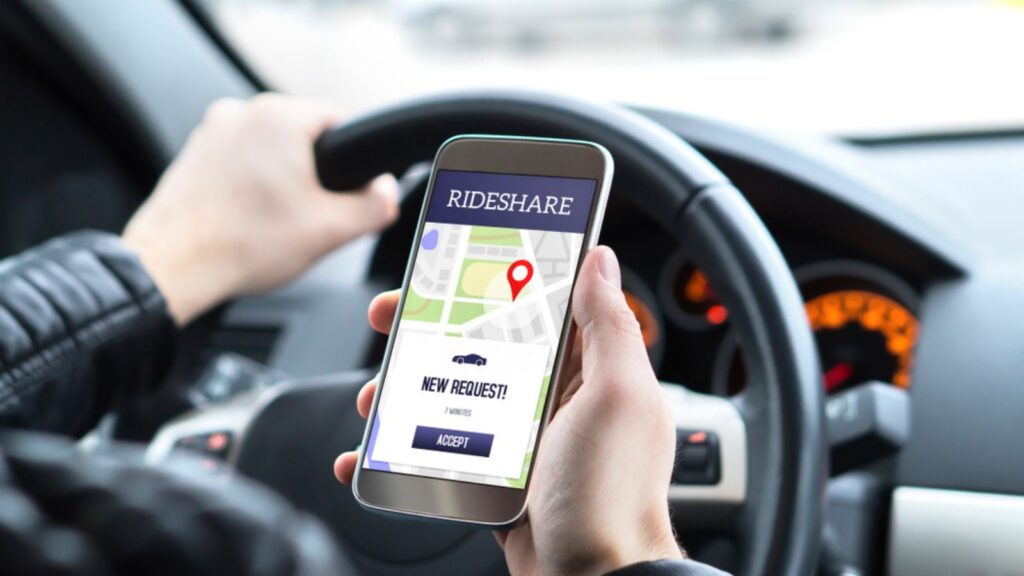
It might make more sense to use a ride-share service. Believe it or not, some people prefer not to drive much as they age. They might prefer using ride-share apps. So, buying a car might not make the best sense financially speaking.
Family

Does your family take you wherever you need to go? You might receive all the help you require to get to appointments, church, grocery stores, and anywhere else. Having a car in the driveway might not make sense. It’s still going to cost you even if you rarely use it.
Parking Spot Availability

If you downsize and move somewhere else, ensure you get the nitty-gritting about the parking situation. This is especially true if you have multiple vehicles and need a space to park them.
Stress

Find driving stressful? If so, you’re not alone. Poor road or weather conditions, other drivers’ bad driving habits, and more can raise stress levels. If driving is increasingly stressful for you, perhaps you should reconsider or delay your decision to buy a new car.
Unexpected Retirement Expenses

One mistake some retirees make is spending as though they are still gainfully employed. It’s best to avoid buying a vehicle right after retiring so you have some money on standby should an unexpected expense rear its ugly head.
Whether your furnace breaks down, the roof leaks, or a medical emergency develops, you’ll need money to handle the situation.
If you sink all or most of your savings into a new car, you may wind up in a sticky situation.
Current Car Works Fine

It might be tempting to buy a new car, but what if your current vehicle works just fine? You might want to hold off on spending tens of thousands of dollars on something new when you don’t need to.
Travel

Some people delay traveling until they retire. During their careers, they focus so much on climbing the corporate ladder that they postpone taking time off to travel and see the world. You may dream of going on cruises, traveling to distant countries, or maybe even buying a condo internationally so you have a home away from home. If you do so after retiring, buying a car might be pointless if it sits unused much of the time.
Autonomous Vehicle Tech

The promise of a future where autonomous vehicles are the norm frightens some people—and for good reason. But if you anticipate the future and can’t wait for it to arrive, you might want to hold off on buying a “normal” car. Why not wait until fully autonomous vehicles are available so you can be chauffeured around?
Transportation Services

If, after retiring from the workforce, you decide to move to a retirement community, a car might not be necessary. You may have access to transportation services, which could make owning a vehicle an unnecessary and even burdensome expense.
Think Things Through Before Buying a Car After Retirement

For these reasons, you may want to delay purchasing a vehicle after retiring. After thinking things through, you can make a decision. Just don’t make any hasty decisions that you may come to regret.
More From Driver’s Drift

14 Cars That Consistently Fail Crash Tests

15 Reasons You Should Never Buy a Car in Cash (Even if You Can Afford to)

15 Things Boomers Taught Us About Cars Which Are Totally Wrong Today
17 Hybrids to Avoid at All Costs


