

Self-driving vehicles sound like something straight out of a sci-fi movie, and there is no denying their impressive abilities. While cruising in a car, driving automatically feels royal, it does have a darker side. We’ll explore some solid reasons why these cars might not be as good an idea as we imagine them.
Likely to Cause Accidents

The whole point of self-driving vehicles was to eliminate the chances of human error and offer convenience. However, the stats say something else. According to the National Highway Traffic Safety Administration, over 467 Tesla crashes were reported involving Autopilot, which resulted in 54 injuries and 14 deaths in 2022.
Negatively Impacts Employment Rate

Transportation is a massive industry in the US, with nearly $1.6 trillion spent in 2021. The rise of self-driving cars may have a destructive effect on millions who depend on driving jobs such as cabs, buses, or trucks. Truck driving itself is the most standard source of income. If autonomous vehicles become widespread, these people would face sudden unemployment and difficulties finding new work quickly since most have few skills other than driving.
Risks of Potential Hacking

It is not surprising that tech criminals have already managed to crack the codes behind cars. For example, the Tesla Model S. A driverless car depends entirely on its computer’s hardware and software to work, making it a breakfast for someone fond of hacking. If the vehicle gets hacked, its self-driving capability can be used for mischievous purposes.
Over-reliance on Self-Driving

Driving skills will become obsolete as these vehicles become common on your street. Too much reliance on technology will prove that traditional driving is a burden or a thing of the past. Since every technology fails at some point, what will you do if your autonomous car suddenly stops and requires you to operate manually?
Liability Issues

So, your fully automated car, marketed as “The Future of Safety,” crashed? Well, who will be held responsible if no driver is involved? The automaker, owner, or software developer? Such confusion will make it challenging to determine the fault. On the other hand, insurance companies will face difficulties while dealing with these new cases, ultimately leading to legal and financial complications.
Motion Sickness

In a traditional vehicle, individuals can adjust their bodies according to their motion. This would not be practical in a driverless ride. According to the University of Michigan’s study, 6-12% of American passengers are likely to experience nausea or vomiting in an autonomous car.
Infrastructure Incompatibility

The current infrastructure we have built is suitable for manual cars but not very hospitable for autonomous ones. The roads and traffic systems will prove incompatible, leaving us no choice but to develop “smart” infrastructure to prepare America for autonomous cars.
Decreased Private Ownership

Why bother owning a car when you can call a driverless one at your convenience? These cars may look like a remarkable achievement for a manufacturer, but they could harm their sales. Instead of spending thousands, consumers might share a single vehicle under the name of autonomous ride-sharing services. This trend may lead to fewer people owning a car, decreasing sales and eventually hurting the overall automotive industry. However, the future of Uber, Lyft, and similar ride services seems promising.
Fire Hazards

The majority of self-driving vehicles are EVs. Lithium-ion batteries, the main ingredient in powering these cars, can cause fire if they overheat. This is not just speculation; the most famous EV company on the market, Tesla, has caught fire in many incidents.
Automated Systems Can Malfunction
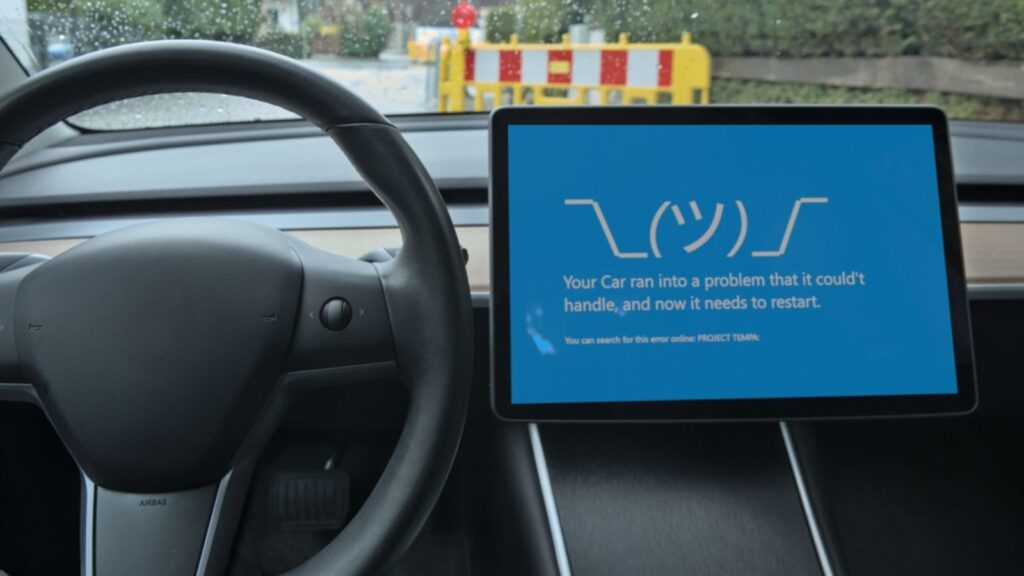
A self-driving car can also malfunction, making it vulnerable to hackers. The system solely relies on Artificial Intelligence and daily road learning. If your vehicle fails to adapt and learn enough from your route, it might appear blind to certain speed limits, road signs, and conditions, resulting in accidents.
Privacy Concerns

An autonomous car can generate vast amounts of data, up to 20TBs a day, which may include personal information related to you and your passengers and travel habits. Managing this confidential data is crucial or can be misused if exposed to unauthorised parties.
Limited Response to Sudden Risks

While self-driving cars are programmed to detect and avoid obstacles, the unpredictable behaviour of road users poses a significant challenge. Reacting to sudden threats requires immediate, human-like abilities to access and respond, which current technology in autonomous cars can’t fully replicate. Thus, the safety of pedestrians, animals, and other drivers is compromised. Autonomous vehicles still need a lot of time to achieve a level of protection comparable to human drivers.
Can Be Costly

The initial costs of owning such a technologically advanced car are high, so if you want to rest behind the wheel, you must have your six figures ready. A Tesla can cost as much as over $110,000. And if you plan on permanently buying the self-driving feature, there is another $8,000 bill for you, costing you a fortune if you are not one of the elites.
More From Driver’s Drift

15 Cars With a Reputation for Insanely High Repair Costs

16 Costly Mistakes You Make When Talking to Car Salespeople

16 Things You Should Keep in Your Car Trunk (You Never Know When They’ll Come in Handy)

13 Warning Signs Your Transmission Is About to Fail


Zainab Noor is a motoring journalist. Childhood rides in Nissan Almera fueled her love for cars. After graduating from AIOU in 2021, she steered her passion into freelance writing. You can find Zainab on LinkedIn.


