

Brake pads are crucial for ensuring vehicle safety, acting as the final line of defense against road hazards and unexpected situations. However, what happens when these essential components fail to perform their protective role? When brake pads wear out prematurely, they can jeopardize your safety rather than enhance it. Here are ten popular brake pads that are letting drivers down by wearing out too quickly, turning what should be a safeguard into a potential risk.
AC Delco

AC Delco brake pads are often chosen for OEM replacements, but are they truly up to the task? Unfortunately, they may fall short. Many users report that AC Delco brake pads wear out quickly, compromising their ability to perform effectively. This rapid wear can lead to increased braking distances, posing a significant safety risk and requiring frequent replacements. Additionally, these pads tend to produce grinding and squealing noises, which can be both annoying and concerning. If you’re dealing with these issues, it might be worth exploring alternative brake pad options to ensure safety and peace of mind.
Carquest

Some argue that the brake pad is probably the only product Carquest failed at. Issues with design and fit have been observed, as these brake pads may not fully cover the edges of your factory pad holder, unlike more precisely engineered alternatives. This design flaw can lead to excessive brake dust, annoying squeaking, and accelerated wear and tear. In summary, if you’re dealing with Carquest brake pads, you might find yourself on a quest for a more reliable and durable option for your vehicle.
Bosch

Bosch is famous for its spare parts and their quality, but they take after Carquest when it comes to brake pads. There are mixed reviews, with most of them showing dissatisfaction because of poor initial bite and a lack of responsiveness that fails to serve the purpose at crucial moments. There have been reports of the uneven finishing of pads that made the brakes spongy. After such a performance, it’s unsurprising that customers have experienced noise issues with these pads that make the ride even more uncomfortable.
Power Stop

While the name is quite appealing, the performance is not. Power Stop brake pads have received mixed reviews from consumers, and there is no product riskier than the one from a company that doesn’t consistently maintain its quality. A seller at a discussion forum narrated how customers who go home with these brake pads often come back with complaints about heavy vibration and poor performance. The braking capabilities decline even more in high-stress conditions. And even if you slightly apply them, the loud whirring sound will most likely get under your skin.
Bendix

Bendix brake pads were once celebrated for their performance and customer satisfaction, but recent reviews suggest a decline in quality. Many users have found that Bendix pads wear down original rotors, making it necessary to replace the entire braking system sooner than expected. Issues such as excessive brake dust have been reported, and the pads tend to perform poorly until they reach their optimal temperature. Additionally, when overheated, Bendix Metal King pads can emit an unpleasant smell.
Centric

It is possible to hear someone raving about Centric brake pads, getting them on their recommendation, and then regretting it. The problem with these brake pads is inconsistent performance. Multiple customers have complained about quick wear and tear, lack of stopping power, and squealing noises, calling for frequent replacements.
Akebono

These brake pads are widely welcomed, but the mixed reviews raise huge questions. The lack of initial bite is the most reported problem, while there have been objections to their reduced braking power, noise, and vehicle vibration. A user in an online forum strictly warned against these because of their reduced power downhill (where we need it the most) and increased noise as they warm up.
Raybestos/Raymark

First-hand reviews of Raybestos brake pads are overwhelmingly negative, with many users complaining about severe shuddering and premature wear and tear. Numerous buyers have reported issues like delamination and warping in under 5,000 miles—far below the expected lifespan for brake pads. Adding to these performance problems, it was recently revealed that Raybestos had been using asbestos, a known carcinogen, in their brake pads. This shocking revelation led to health issues for some users and resulted in a lawsuit that pushed the company into bankruptcy.
Wagner

Wagner’s brake pads suffer from inconsistent manufacturing quality, making them an unreliable choice for many drivers. The most common complaint is their inadequate braking power, which fails to provide the stopping performance users expect. On top of that, frequent wear and tear are reported, leading to premature replacements. Additionally, grinding and squeaking noises are common, further highlighting issues with the brand’s quality control.
Caltric
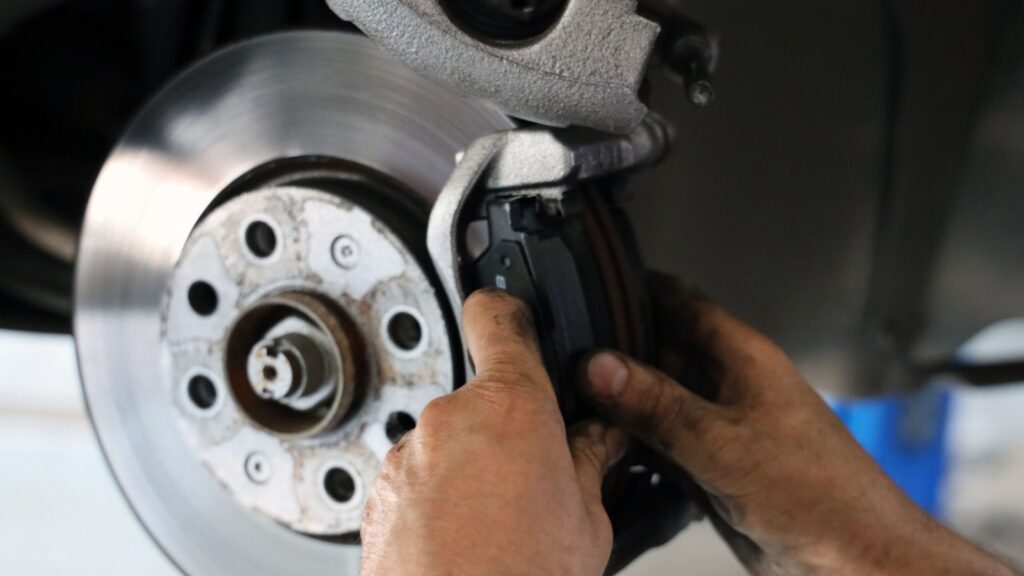
Caltric brake pads stand out for their consistency—but unfortunately, they are consistently poor in both quality and performance. Many reviews reveal that these pads fail within the first few uses. Some users reported them wearing down completely in just a week, while others found that the pads stayed intact but severely damaged the rotors instead. No matter the case, it’s a gamble you can’t afford to take. Frustrated users labeled them a “cheap knockoff” that only work adequately if you happen to get lucky.
“Brake” Free from Substandard Performance

It’s a fact of life—much like death and taxes—that brake pad longevity is heavily influenced by driving habits. The more aggressively you brake, the more wear and tear the pads and rotors endure. This leads to faster degradation and excessive rotor damage. Similarly, frequent stop-and-go driving or rapid acceleration and deceleration can take a toll on brake pads.
However, the last thing you want to add to this wear is to choose a brand already known for premature failures. To keep your brakes reliable and effective, avoid substandard brands and opt for quality—your safety depends on it!
More From Driver’s Drift

14 Cars That Consistently Fail Crash Tests

15 Reasons You Should Never Buy a Car in Cash (Even if You Can Afford to)

15 Things Boomers Taught Us About Cars Which are Totally Wrong Today
17 Hybrids to Avoid at All Costs


Zainab Noor is a motoring journalist. Childhood rides in Nissan Almera fueled her love for cars. After graduating from AIOU in 2021, she steered her passion into freelance writing. You can find Zainab on LinkedIn.


