Did you know the global classic car market was worth $31.6 billion in 2022? So says research firm Statista. People the world over, it turns out, love their classic cars.
But what classifies as a classic car? According to one source, a classic car is one that’s 25 years old or older. A car you grew up admiring might be a classic car now.
If you’re in the market for a classic vehicle, here are 16 mistakes you don’t want to make.
Buying It Sight Unseen

One mistake no one should make is buying a classic car sight unseen. That’s something to avoid, whether getting a new or used car. Unless you want to throw caution (and perhaps your money) to the wind, ensure you check out any classic car you’re interested in buying.
Spending Too Much

When researching classic cars, pay attention to the valuations. Depending on the make and model — not to mention the overall condition — the price range could go from bargain-basement cheap to super costly. But knowing how much they go for will keep you from overspending.
Rushing into a Transaction

Another mistake is rushing into a deal. Don’t allow the excitement of getting your dream vehicle to get you off your game. Spend as much time as necessary to find the right one. Otherwise, there’s a good chance you’ll end up with buyer’s remorse.
Overestimating Your DIY Skills

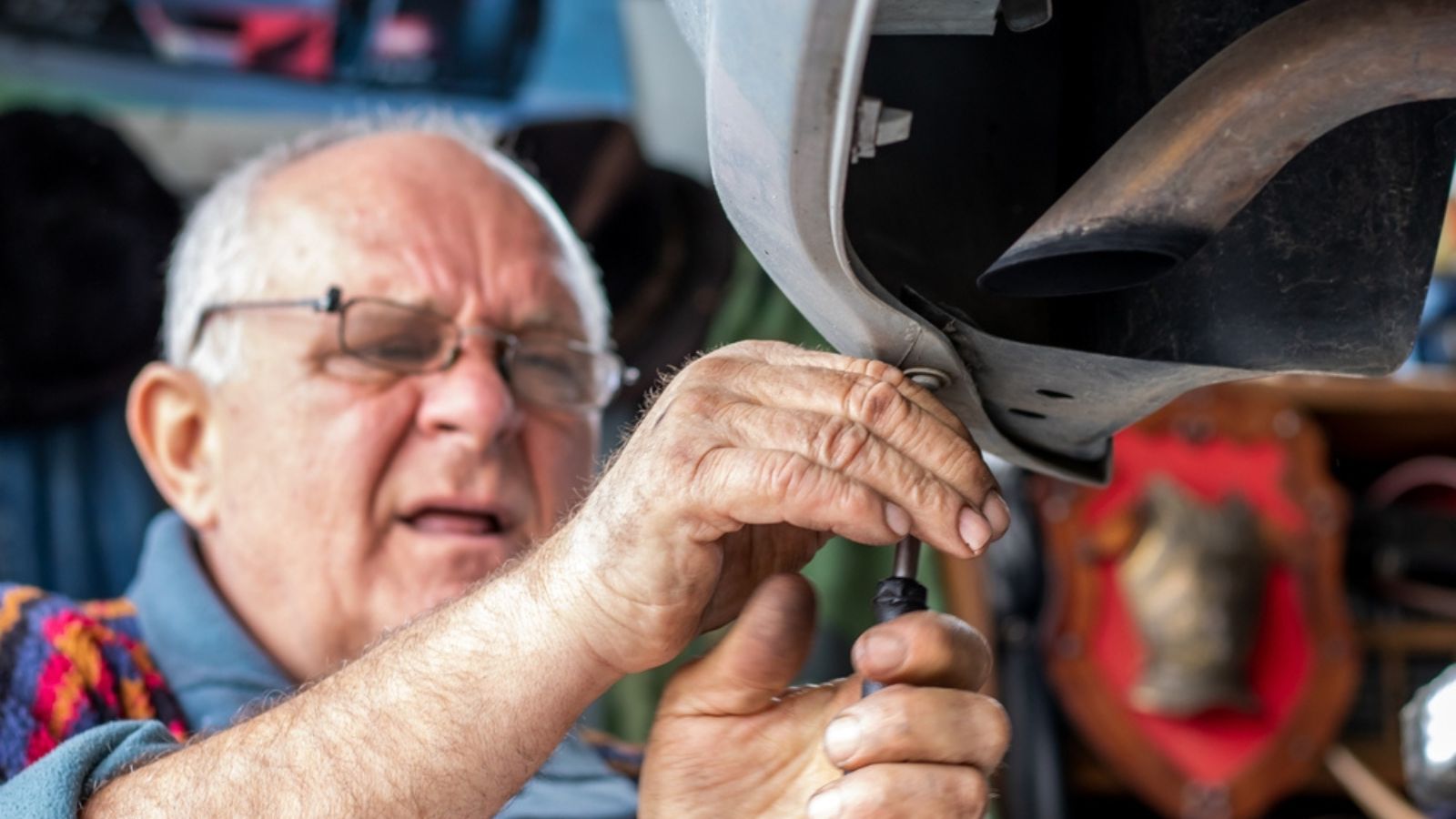
Another mistake to avoid is overestimating your do-it-yourself skills. Some people misjudge how much time and skill goes into working on classic cars. You don’t want a classic car sitting in your garage for years because you can’t do the work required or can’t afford to have someone else do it.
Using It Like a Daily

Avoid treating your classic car like a daily driver. You may be able to do that depending on the make and model. However, if it’s an older car with a tired engine, you might have to use it on weekends or special occasions rather than push it to the limit as a daily driver.
Buying From the Wrong Person

Some private car sellers are a piece of work. They misrepresent what they’re selling — hoping some unsuspecting soul takes the bait. When looking for a classic car, be careful.
Buy through an online platform that vets and screens buyers and sellers. That way, you can be certain the seller of the classic car that catches your eye is legit. You can also conduct due diligence and find the vehicle you want rather than the one someone wants you to buy.
Underestimating the Amount of Work Required

Yet another mistake to avoid is underestimating the work required to get your new-to-you classic car on the road. If you drop the ball on this front, you might end up with a classic lemon that’s too cost-prohibitive to fix up or restore.
Choosing to Skip a Professional Inspection

A big mistake to avoid is buying a classic car without getting a thorough professional inspection. It’ll cost you, of course. But buying something minus the professional inspection and finding expensive flaws later will cost even more. So, pay a little bit now or pay a ton more later.
Failing to Consider the Availability of Spare Parts
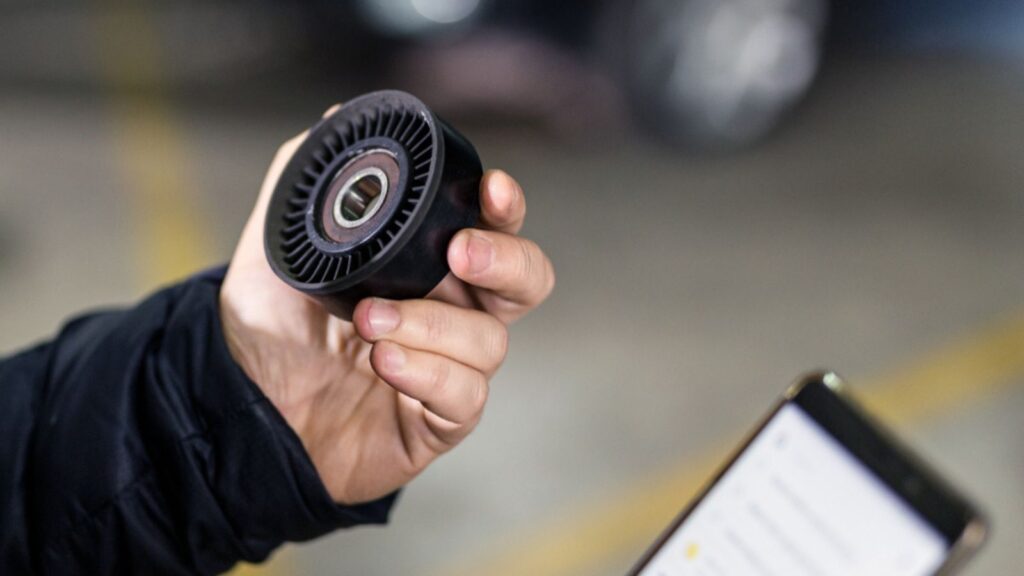
Too many classic car buyers make this mistake. You don’t want a situation where it takes ages to find parts. In some cases, you might find it nearly impossible to get parts. Check for availability near home and abroad before making a buying decision.
Failing to Consider Proper Insurance

You need the right insurance coverage to get the right protection for your classic car. If your current insurer doesn’t have the right options for classic car owners, look elsewhere. Look into insurance for collector cars and compare that to what your insurance company offers.
Buying a Classic Car You Don’t Really Want

Another mistake is buying something you’re not in love with. While a daily driver might be something you use just to get from Point A to Point B, a classic vehicle is something else. It should be something you love to drive. So, if you get one you don’t love, you may lose interest. That’s no way to treat an otherwise special classic car.
Failing to Determine Where You’ll Store It

Don’t even think about storing your classic car on the driveway. If you have space in the garage, great. Otherwise, find a covered spot to store your classic car during the off-season.
Choosing Not to Verify the VIN

It’s essential to check the VIN before buying any classic car. If the registered VIN doesn’t match the VIN on the engine, that’s a telltale sign the engine was probably replaced at some point. That’s important since authenticity matters when getting a classic car.
Failing to Use a Classic Car Mechanic

If you buy a classic car, get a mechanic specializing in classic cars to work on yours. It’s even better if you can do the work yourself. But, if you can’t, find a specialist to do it.
Ignoring the Upkeep Expenses

Remember that the purchase price is just one aspect of owning a classic car. Don’t forget that it’ll cost something to keep it in good shape — and factor that into your buying decision.
Skipping the Test Drive

It’s never a good idea to skip the test drive. You must put a classic car through its paces to see what it’s like on the road. A test drive will also help you uncover any issues that may impact your buying decision.
Keep These Tips in Mind When Buying a Classic Car

When the time comes to get the classic car of your dreams, remember these 16 tips. You don’t want to make mistakes that turn the dream of getting the vehicle you want into a nightmare.
More From Driver’s Drift

GM Recalling 450,000 Trucks and SUVs: Here’s What You Need to Know

15 Used Cars To Steer Clear of at All Costs

15 Vehicles That Leave Owners With Buyer’s Remorse

15 Things Boomers Taught Us About Cars Which are Totally Wrong Today