Are you gearing up for the winter driving season? If so, don’t get ahead of yourself. Fall is on the horizon. So, before you even think about swapping your all-season tires for winter tires, some other things should be on your car maintenance list.
Do these 16 things ahead of the rain, colder weather, and other things that come with fall.
Clean and Safeguard Battery Terminals

Dip an old toothbrush into a container with water and baking soda, and scrub the battery terminals. After you’re done, apply some spray designed to safeguard battery terminals.
Test Your Battery

Most vehicle owners take their car batteries for granted until they put the key in the ignition, turn it, and get a clicking sound or nothing at all. If you haven’t tested your battery in a while, now’s the time. A multimeter tool will assess the amps, resistance, and volts. Switch the tool to the 20-volt setting, connect the multimeter to the battery terminals, and check the voltage. It should read about 12.6 volts, but refer to your owner’s manual for the specifics of your vehicle.
When a battery starts giving trouble, that’s usually a warning sign. Replace yours if it goes bad or loses vitality. You don’t want to risk it and get stranded during the cold weather season.
Check Your Windshield Wiper Blades

It’s also a good idea to check the condition of your windshield wiper blades. Inspect them for damage like rips or tears. Lift the wiper off the windshield, run your finger along the rubber portion of the blade, and observe for any problems. If there are any problems, replace them.
Lube the Door Locks

Spray lubricant into the door lock cylinders. Failure to do this once in a while—especially if you use remote entry rather than the key—could cause the lock cylinders to corrode.
Check Your Winter Tires
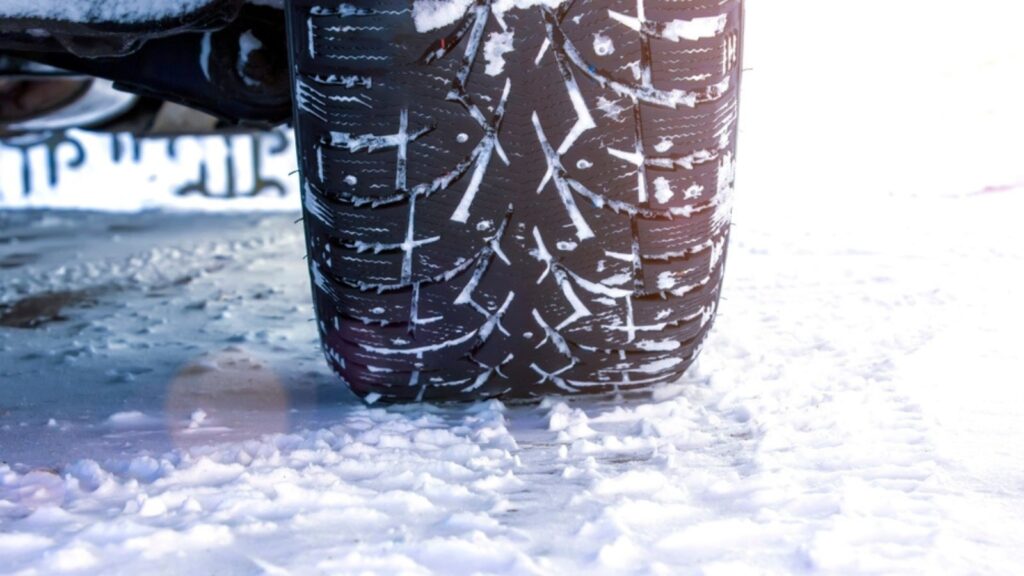
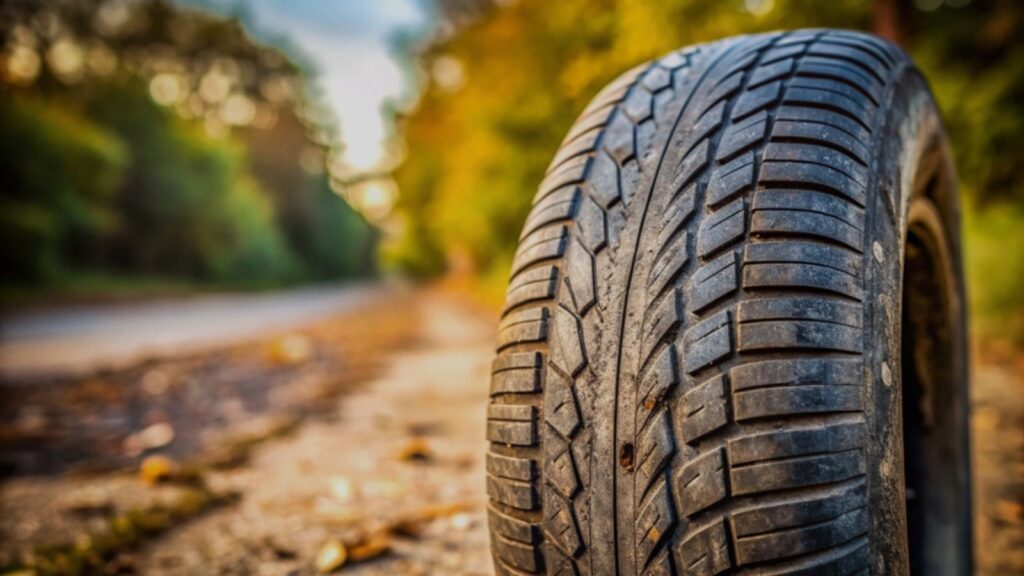
While you don’t have to install winter tires in early fall, you should check them. Get a tread depth gauge and learn to use it. The tread should be between 7 and 12/32″. If you’ve got enough tread and the tires are in good physical condition, you’re good to go. Otherwise, you should look into buying new tires before the cold weather season hits.
Lube Door Hinges

Lubricating the door, trunk, hatch, or truck bed hinges also makes sense. A can of lithium grease will do the trick.
Change Your Air Cabin Filter
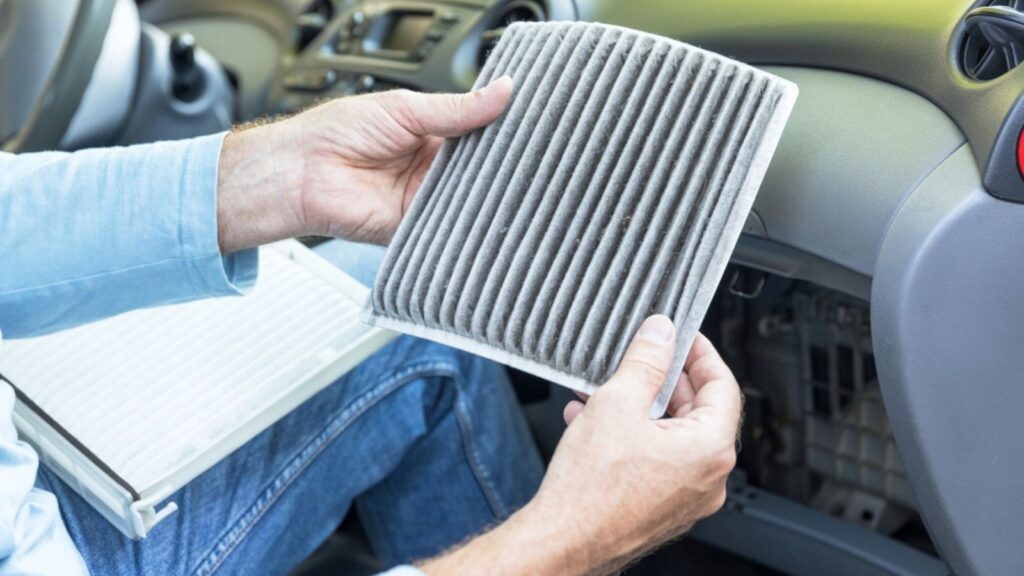
Changing your cabin air filter per manufacturer specification is vital. It’ll keep unpleasant pollutants from getting into your vehicle’s cabin. One benefit of doing this before the white stuff starts to fall is that it’ll ensure any debris that can restrict airflow is thrown out.
Top Up the Wiper Fluid Reservoir

Get in the habit of checking the wiper fluid level and topping it up. If you have room in your trunk, it doesn’t hurt to store a bottle in there. It can be nerve-wracking if you need some and the reservoir is empty. The wiper blades will merely smear the dirt and grime on the windshield.
Change Your Engine Oil and Filter

Start the season off right with an engine oil and filter change. Fortunately, it’s the perfect DIY maintenance item. You only need a jack, jack stands, and a wrench to remove and replace the oil drain plug. Try removing the oil filter by hand. If you can’t, use the right tool.
Service Your Brakes

Servicing your brakes ahead of the winter season also makes sense. You’ll want to check the brake pads, clean and lubricate the caliper pins with the correct grease, and check other related components. You can either DIY or take your vehicle to the mechanic.
Rustproof Your Vehicle

It sucks when a car gets taken off the road because of rust rather than because of engine or transmission failure. You can reduce the odds of rust shortening your vehicle’s lifespan by getting it rustproofed annually. Doing so will protect it from rust and corrosion.
Pack a Safety Kit for the Season
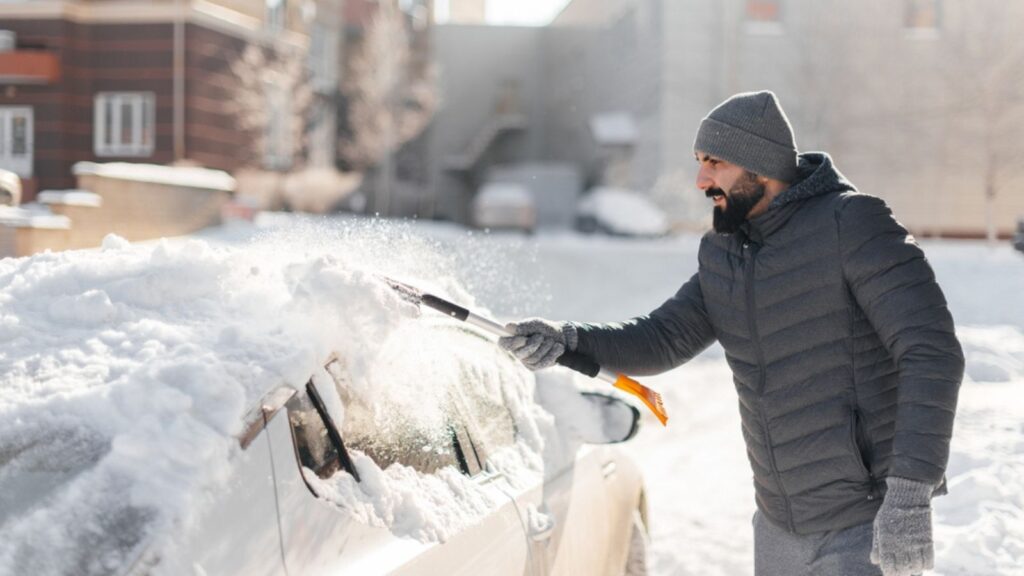
You also need a safety kit. It should include a small shovel, snowbrush-scraper combo, blanket, flashlight, warm attire, kitty litter for traction, booster cables, windshield washer fluid, and a traditional emergency kit. It’s better to be safe than sorry.
Check Fluid Levels

Check the fluid levels under the hood. Look at the coolant, brake fluid, power steering fluid, transmission fluid, washer fluid, and engine oil. Check whatever fluids your car uses. If anything’s low, top it up. Be on the lookout for leaks that could indicate a more severe problem.
Check the Lights

As fall and winter draw nearer, you’ll have less and less daylight time. So, you’ll want to ensure your vehicle’s exterior lights are functioning properly. Check the high beams, low beams, brake lights, and fog lights. You’ll want to change any lights that are damaged or non-functioning.
Check the Heater and Defroster
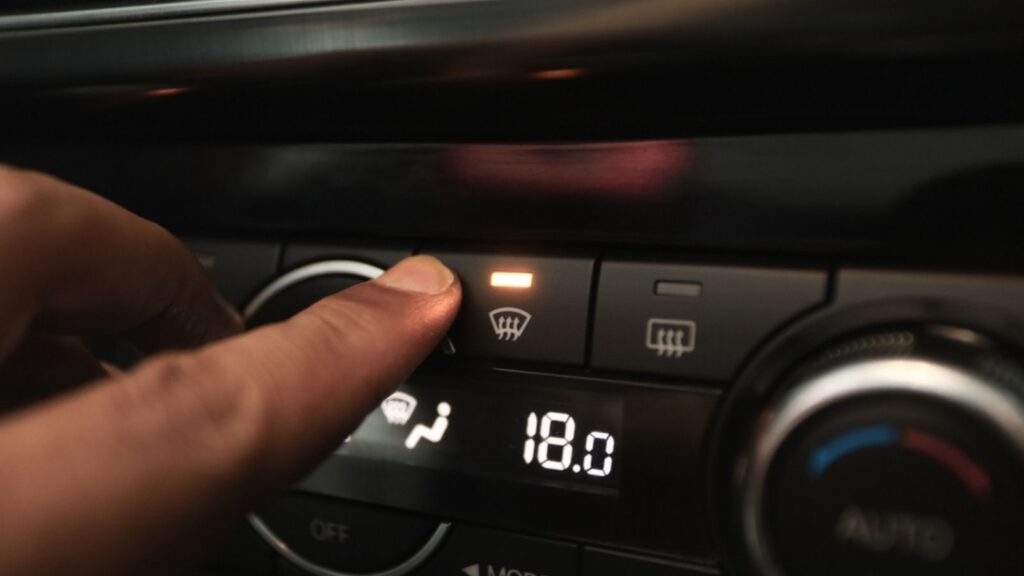
You don’t want the heater and defroster to fail you at the worst possible time. Don’t wait until the temperature plummets to check if they work efficiently or at all. Turn them on and observe whether they operate as they should. If not, see your mechanic to get the problem fixed.
Check Hoses and Belts Under the Hood

Check the belts and hoses. Do you see rips, tears, cracks, or other signs of wear and tear? Get that taken care of before the snow starts to fall.
Don’t Overlook Fall Car Maintenance

As the temperature starts to fall, you don’t want to ignore vital car maintenance. Whether you do it independently or have a mechanic handle it, getting the work done is essential.
More From Driver’s Drift

15 Common Tire Brands That Don’t Deliver on Quality
16 Used SUVs to Avoid (Unless You’re After a Money Pit)

15 Compelling Reasons to Avoid Buying a Car With a Sunroof

15 Car Services You Don’t Really Need and Are Just Wasting Money On