

We all love a good bargain. But opting for “cheap” car parts can be a gamble that leads to unexpected and costly outcomes. These parts can risk your safety and finances in the long run. Read on to learn why saving a few bucks on car parts might not be wise.
Poor Performance

Spending less on car parts may take the joy out of your driving experience. You can expect reduced engine performance from those dirt-cheap spark plugs, sluggish handling from budget-friendly steering components, and reduced stopping power from discounted brakes.
Compromised Safety

If you compare cheap and OEM parts side-by-side, the main difference you’ll notice is that the cheap ones lack important safety checks while being manufactured. The components you are likely to cheap out on are brake pads, tires, or suspension elements. When you need them the most, they might fail to deliver the braking and steering capabilities, which is a serious safety risk.
Not Durable

These parts are cheap for a reason. Due to inferior materials and manufacturing processes, they wear out much faster than higher-quality ones. It can also result in frequent replacements or repairs, increasing overall maintenance costs. In other words, knock-offs are nothing but short-term gains.
Risk of Breakdowns

As discussed, these cut-rate parts habitually perform poorly and die quickly. Imagine you are leaving for work on a Monday morning, and that knock-off timing belt snapped unexpectedly. If you don’t want to be stranded on the roadside at the worst possible time, stick to OEM parts.
Void Your Warranty

Manufacturers strictly recommend OEM parts on your vehicle to maintain the warranty. Installing cheap ones may have consequences due to the domino effect. For example, getting an inexpensive aftermarket exhaust system that fails to meet the manufacturer’s specifications can cause engine damage. Since the manufacturer has nothing to do with this, you will be held responsible for repairs that would have been covered under warranty otherwise.
May Impact Other Components

Inexpensive parts may seem like bargains, but they can start a chain reaction. The parts associated with them can also be severely damaged or killed as they retire. For example, if you cheaped out on a fuel pump, the engine may stall or misfire due to improper fuel delivery. Over time, the fuel injectors may give up, or even worse, the engine may fail, requiring costly repair jobs.
Impact Resale Value

Discounted parts may cause a value dip when selling your ride. Any expert eye can detect cheaper replacement parts on the vehicle. Your initial savings will look futile when a buyer offers less than your expectations or the model’s market value.
Higher Insurance Premium

Some insurance companies may monitor the quality of the parts you use to determine your premium. The so-called “budget-friendly” parts can increase safety risks or breakdowns, leading to higher insurance costs. For example, if you put low-quality brakes on your vehicle that the manufacturer does not recommend, the insurance provider may raise your premium to account for higher risk. Who is saving money now?
Software Malfunctions

Modern vehicles host many electronics that are controlled by software. However, a knock-off might not be compatible with your vehicle’s computer and cause malfunctions. After several calibration tries, cheaper deals like sensors or control modules can still appear as outcasts. Software conflicts can display false error codes and act weird, such as turning off ABS and TCS or total system shutdowns.
May Fail to Meet Regulatory Standards

Your car must pass the safety inspection to maintain a road-ready condition. Aftermarket parts, especially those sourced from overseas, may not meet local regulatory standards. Opting for them may land you in trouble. For example, a low-cost aftermarket exhaust that doesn’t meet emissions standards could result in a failed emission test. Similarly, discounted airbags and seatbelts that fail to function properly can lead to serious safety threats.
Aesthetic Issues

Although not a danger, who wants to pay cash to compromise over their ride’s look? Gaps, misalignments, and overall cheapjack appearance may ruin your vehicle’s aesthetics if you use low-quality parts. Cheapie bumpers may not be a perfect fit, and to be slapped on, they require adjustments, creating weird gaps that detract from the vehicle’s appearance. In addition, the paint job on aftermarket parts can be a visual flop, leading to mismatched and worn-out appeal. Since your ride will no longer look polished and well-maintained, aesthetic issues may harm the resale value.
Increased Environmental Impact

Quality parts are safe for the vehicle and reduce your environmental footprint. However, compromising on a knock-off catalytic converter may not reduce emissions as well as the original one, leading to excessive air pollution. Moreover, low-cost parts need frequent replacement. It results in more energy and resource consumption for their production.
Difficulty in Finding Replacement
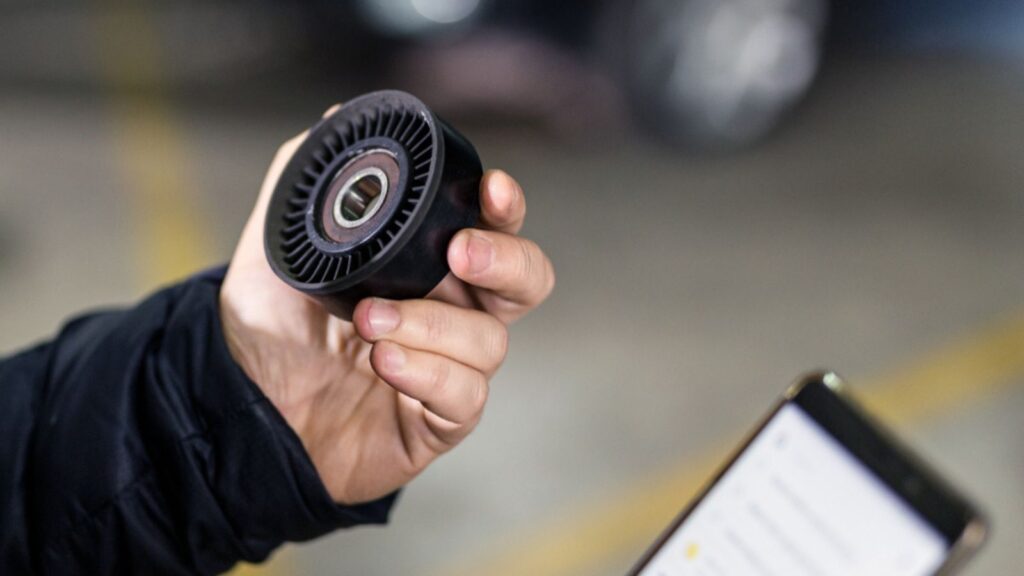
Suppose you invest in a low-cost part, and since knock-offs often make their way to the market through fishy manufacturers, it got discontinued. You may struggle to find a replacement when it fails, forcing you to settle for a subpar alternative or spend more time and money finding a compatible option.
Bargain with Caution

While some high-quality aftermarket parts are available, doing your homework is crucial. Research specific brands, read reviews, and consult with a trusted technician. If a part ticks all the right boxes, it can be a viable option. Otherwise, it’s better to stick to the OEMs.
More From Driver’s Drift

15 Common Tire Brands That Don’t Deliver on Quality
16 Used SUVs to Avoid (Unless You’re After a Money Pit)

15 Compelling Reasons to Avoid Buying a Car With a Sunroof

15 Car Services You Don’t Really Need and Are Just Wasting Money On


Zainab Noor is a motoring journalist. Childhood rides in Nissan Almera fueled her love for cars. After graduating from AIOU in 2021, she steered her passion into freelance writing. You can find Zainab on LinkedIn.


