Are you looking forward to winter? Whether yes or no, it’s coming. So, you had better be ready.
Some states get enough of the white stuff to make traveling more challenging. Other states, meanwhile, get very little or virtually none. You must take special precautions if you get snow.
First Things First…You Need Winter Tires

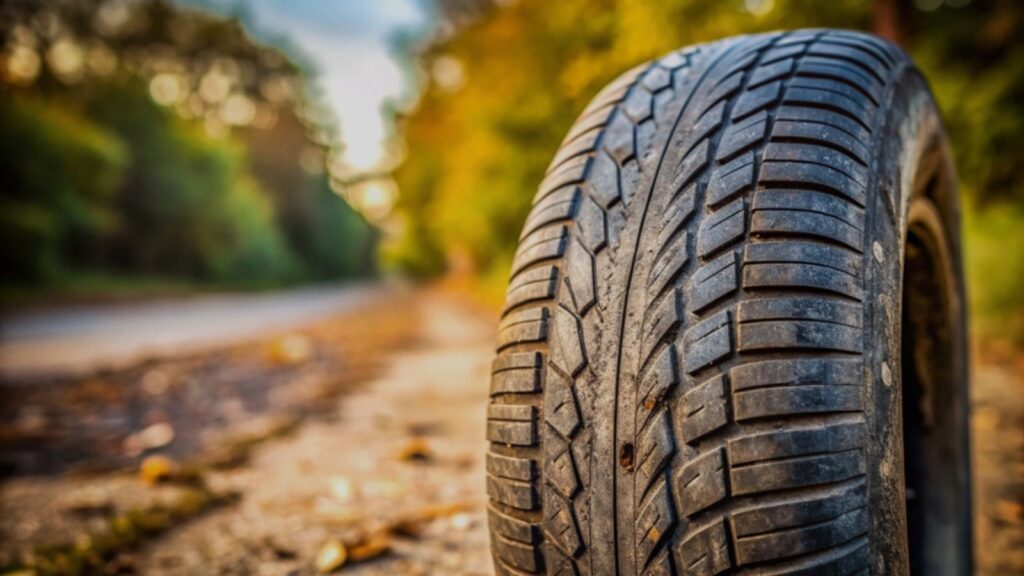
Before worrying about an emergency kit, you need winter tires. Notice the term is “winter tires” — not “snow tires.” The reason is that such tires aren’t just for snow.
When the temperature dips during the late fall and winter seasons, all-season tires lose their flexibility. Their tread patterns and rubber compounds are designed for the spring and summer. Once the temperature falls below 46 °F, you should swap the all-season tires for winter tires that will better handle the snow, ice, and slushy roads.
That means you need winter tires not just when it snows but also when the temperature consistently falls below 46 °F. But you don’t have to wait until then to swap the tires.
Know When to Swap Them…And When to Swap Them Back

A general rule of thumb is to swap your all-season tires for winter tires during the Thanksgiving Weekend. So, when chowing down on good food, spending quality time with those you love, and enjoying the long weekend, make some time to change your tires.
How long should they remain on? The following April is a good bet. If Mother Nature decides to pull a fast one, however, you may need to put them on sooner or keep them on longer.
Now that we’ve gotten that out of the way, here are 14 must-haves for your car’s emergency kit this fall and winter.
Warm Clothes
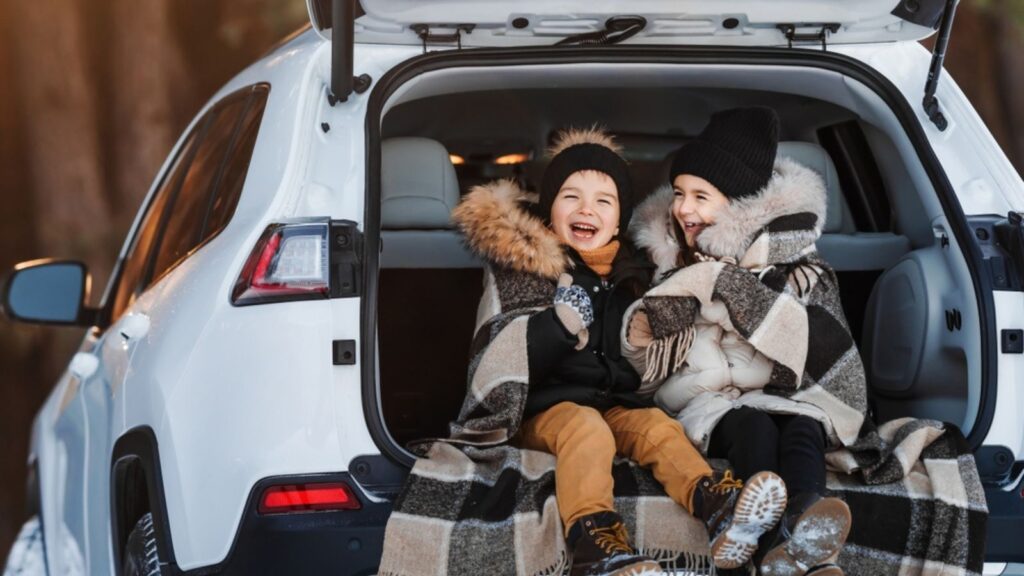
Keeping warm clothes in the trunk might seem odd, but it’s essential nonetheless. While you don’t want to be paranoid, you should be prepared. So, keep winter gloves, a warm hat, thick socks, and an insulated winter jacket in the trunk…just in case.
Thermal Blankets

Thermal blankets are waterproof and provide a barrier to the wind. If you’re stranded on a cold winter day, you’ll be glad you have them on board. They’re less bulky than normal blankets and will take up very little space.
Snacks

It’s also a good idea to pack some snacks. If you’re stranded for hours or — horror of horrors — days because of a driving mishap during a snowstorm, you’ll want something to munch on. Keeping packages of nuts or granola bars can give you something to eat when stranded.
Jumper Cables

Your emergency kit isn’t complete without jumper cables. You might be surprised by how many calls AAA gets in the winter from members whose cars won’t start due to the frigid weather. You can help yourself with jumper cables. In addition to jumper cables, get a portable jump starter that’ll help you start your vehicle without requiring the assistance of another motorist.
Portable Phone Charger

You need a smartphone to call for help if you get into trouble. But what if your phone has no power and you can’t start your vehicle to charge it? That’s where a portable phone charger or power bank comes in handy. Keep one in your glove compartment.
Flares

Another must-have for emergencies is a flare kit. If you’re stranded and need assistance, emergency road flares can get the attention of someone who can render assistance.
Flashlights

Your car’s emergency kit for the fall and winter should also include flashlights. Imagine being stranded at night on a dark road without a light source. Don’t forget the batteries.
Snow Shovel

Yet another essential for your emergency kit during the cold weather seasons is a small snow shovel. It’ll come in handy if you get stuck in the snow and must clear away some of the white stuff. While you’re at it, keep a bag of kitty litter in the trunk, too, since it can help provide some traction if you get stuck.
Tire Gauge and Inflator

A tire gauge and inflator are must-haves any time of year. Cold weather can cause your winter tires to lose air, so check the tire pressure monthly and stay on top of things. If the tires look underinflated, use a tie gauge to verify. Top up with the inflator as needed.
First Aid Kit

You should always have a first aid kit in your trunk, but the extra challenges of winter driving make such a kit even more important. You can get pre-stocked kits or assemble your own.
Escape Tools

Include escape tools in your car’s emergency kit. It should have a seatbelt cutter and a hammer to break the glass if needed. They’re things you hope you never have to use. But you’ll have peace of mind knowing they’re there…just in case.
Tools

Having a few basic tools, such as screwdrivers, sockets, wrenches, electrical tape, and other basics, is a good idea. You never know when they’ll come in handy.
Windshield Scraper
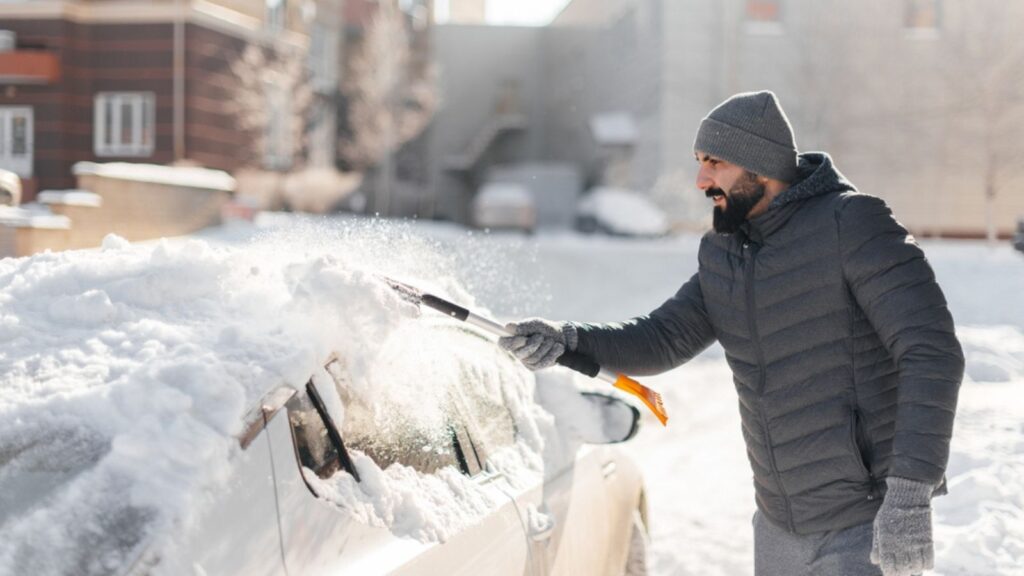
A windshield scraper will come in handy to remove snow, ice, or sleet from your vehicle’s window. Having to clean it off with your hands won’t be fun. So, keep one in the trunk.
Car Jack

It’s always a good idea to carry a jack. You’ll need one to raise your car, whether to change a tire or do something else. Having jack stands to support the vehicle after you raise it is also a good idea.
Hope for the Best — But Prepare for the Worst

Winter is coming, and it’ll be here sooner than you think. You’ll get through it in one piece by driving defensively, obeying the rules of the road, and packing an emergency kit suited for the season.
More From Driver’s Drift

15 Common Tire Brands That Don’t Deliver on Quality
16 Used SUVs to Avoid (Unless You’re After a Money Pit)

15 Compelling Reasons to Avoid Buying a Car With a Sunroof

15 Car Services You Don’t Really Need and Are Just Wasting Money On