

Just like routine oil changes and wheel rotations, brake maintenance is also crucial. Properly working brakes ensure your and others’ safety on the road. From checking fluid levels to inspecting components involved in the braking system, we’ll share some crucial tips to help you run daily errands or enjoy long trips comfortably and without any points on your license.
Check Brake Fluid Regularly

If your vehicle’s brake fluid level is low, the brakes will feel spongy, and their performance will be reduced. Check the fluid level every few weeks or months and refill if necessary. Another important thing is to apply the brake fluid recommended by the manufacturer in the owner’s manual.
Inspect Brake Pads and Rotors

The pads and rotors may wear out over time. Taking your car on the road with worn-out brake components compromises your vehicle’s ability to stop, making your trips unsafe. You must inspect them regularly for signs of wear and tear. For example, if you notice thinning pads or grooves on the rotors, it is time to replace them.
Listen for Unusual Noises

Any unusual sounds coming from the vehicle, such as squealing or grinding, while applying brakes mean something is wrong with the braking system. High-pitched sounds could indicate that your brake pads are worn out, while low-pitched sounds, such as grinding, could imply metal-to-metal contact. In any case, do not just let it go. It is best to address it before it leads to more complex problems and affects your drive.
Feel for Vibrations
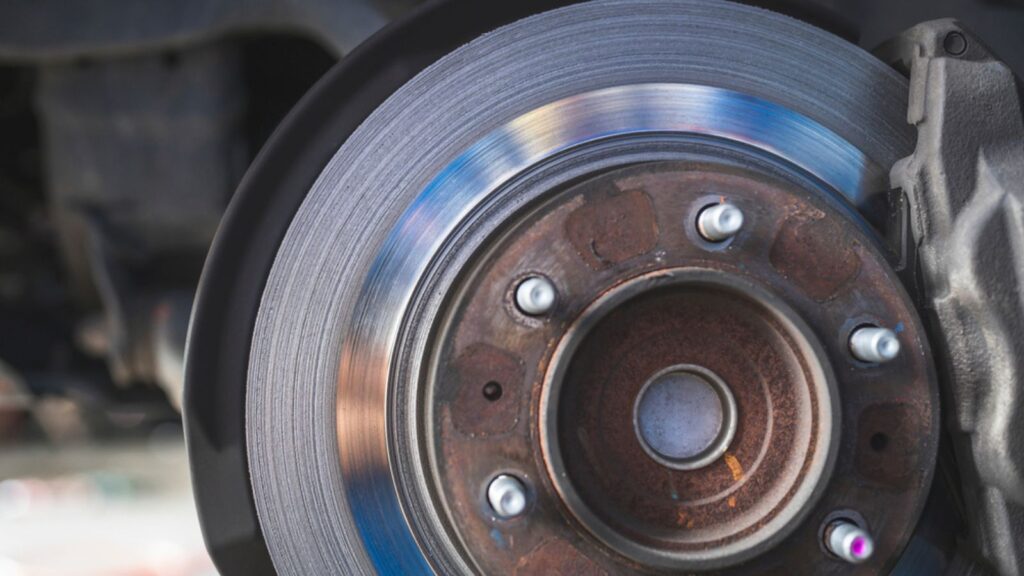
If you experience vibrations every time you apply brakes, then it may be time to get new rotors. Warped rotors impact braking power and create discomfort during the ride. If the issue is still there, head over to a mechanic to determine whether all other components are functioning as they should.
Avoid Hard Braking

Braking hard can cause the brake rotors and pads to wear out quickly, so stay cautious of sudden and forceful braking. Try to anticipate stops and use gentle braking whenever possible. This not only extends the life of your braking components but also makes the ride smoother and more pleasant.
Perform Brake Bleeding

Effective braking requires a certain hydraulic pressure, which can be compromised by air in the brake lines. This can greatly limit braking performance and provide a mushy pedal feel. To eliminate this situation, you may need to perform brake bleeding. This method ensures the braking system operates at maximum efficiency.
Keep an Eye on the Brake Lines

Brake lines transport the braking fluid, allowing the pads to press down on the rotors and let your vehicle stop. Any compromise in the integrity of the brake lines might result in brake failure, creating a serious safety concern. Even slight leaks can limit the performance, resulting in delayed braking. Maintaining the brake lines ensures that your vehicle performs properly under all driving conditions.
Monitor Warning Light
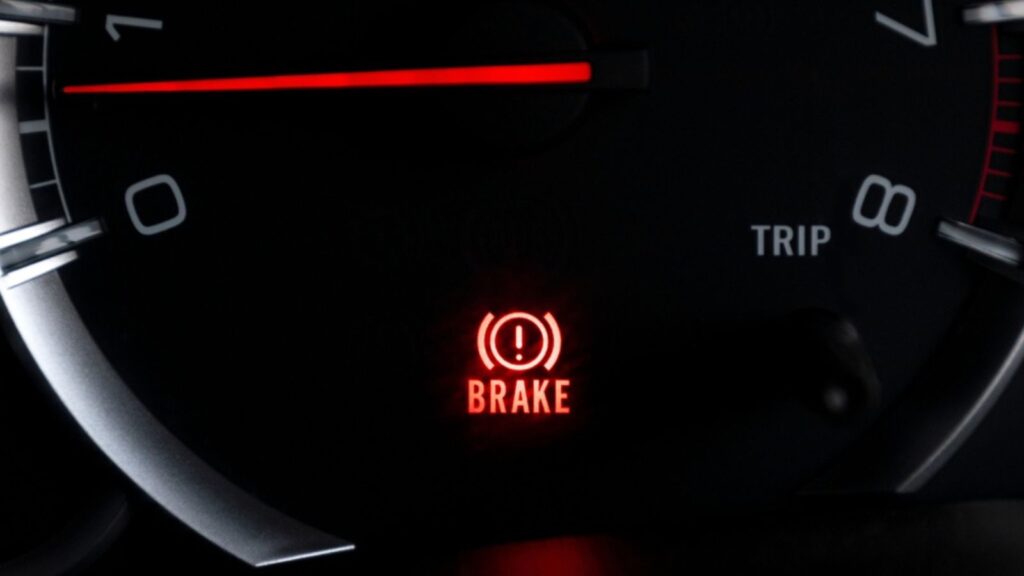
Your car’s dashboard has many lights, including brake lights. If the brake warning light is on, you must not ignore it. It could indicate anything from a low brake fluid level to a serious problem with the car engine or transmission system. Responding to these warnings immediately helps prevent your brakes from costly damage.
Test Brake Responsiveness

When you step on the brakes, they should respond immediately. If the braking action is slow, there could be air in the hydraulic brake system or other problems. You should test your brake responsiveness frequently to detect faulty brake systems and avoid compromising safety.
Clean Brake Components

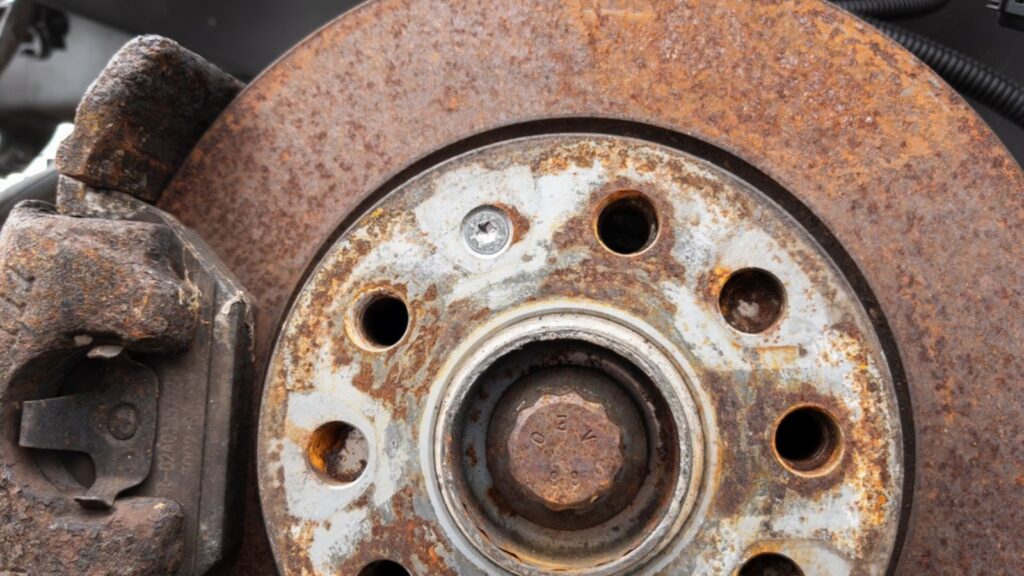
Dity brake components pose a great danger on the road. The accumulation of dust and debris on your brake pads and rotors leads to decreased functionality of the brake system and stopping distance. So, you must clean the brakes from time to time to make them as effective as possible. For this purpose, you may use a brake cleaner. However, do all maintenance tasks by following the instructions given in the manual.
Avoid Overloading Your Vehicle

Every time you overload the car, you need to exert additional pressure on the brakes, which may result in overheating and even brake failure. Hence, keeping the load within the vehicle’s carrying capacity is wise. Compact cars and sedans can carry between 850 and 1200 pounds on average, SUVs can carry between 1,000 and 1,500 pounds, while full-size trucks can transport 3000 pounds or more.
Use Engine Braking

Shifting the engine into a lower gear while coming from a steep and long terrain helps regulate speed and prevent the brakes from overheating or wearing out. Moreover, engine braking gives you more control over the ride. So, by using the engine to slow down, you’ll likely decrease the frequency and intensity of applying the brake pedals, prolonging the service life of brake parts.
Check Calipers

Brake calipers can be problematic if they experience unusual vibrations, sounds, leaks, irregular brake pad wear, or a weakening of the brake system. Maintaining brake calipers ensures safety and helps drivers feel more at ease, as they’ll be sure that every component is functioning properly.
Check Brake System Sensors

In modern cars, the braking system has sensors that track several parameters, including brake pad wear, fluid levels, and overall system health. Checking if these sensors are in proper working condition can give timely signals of potential problems and improve the brake system’s efficiency.
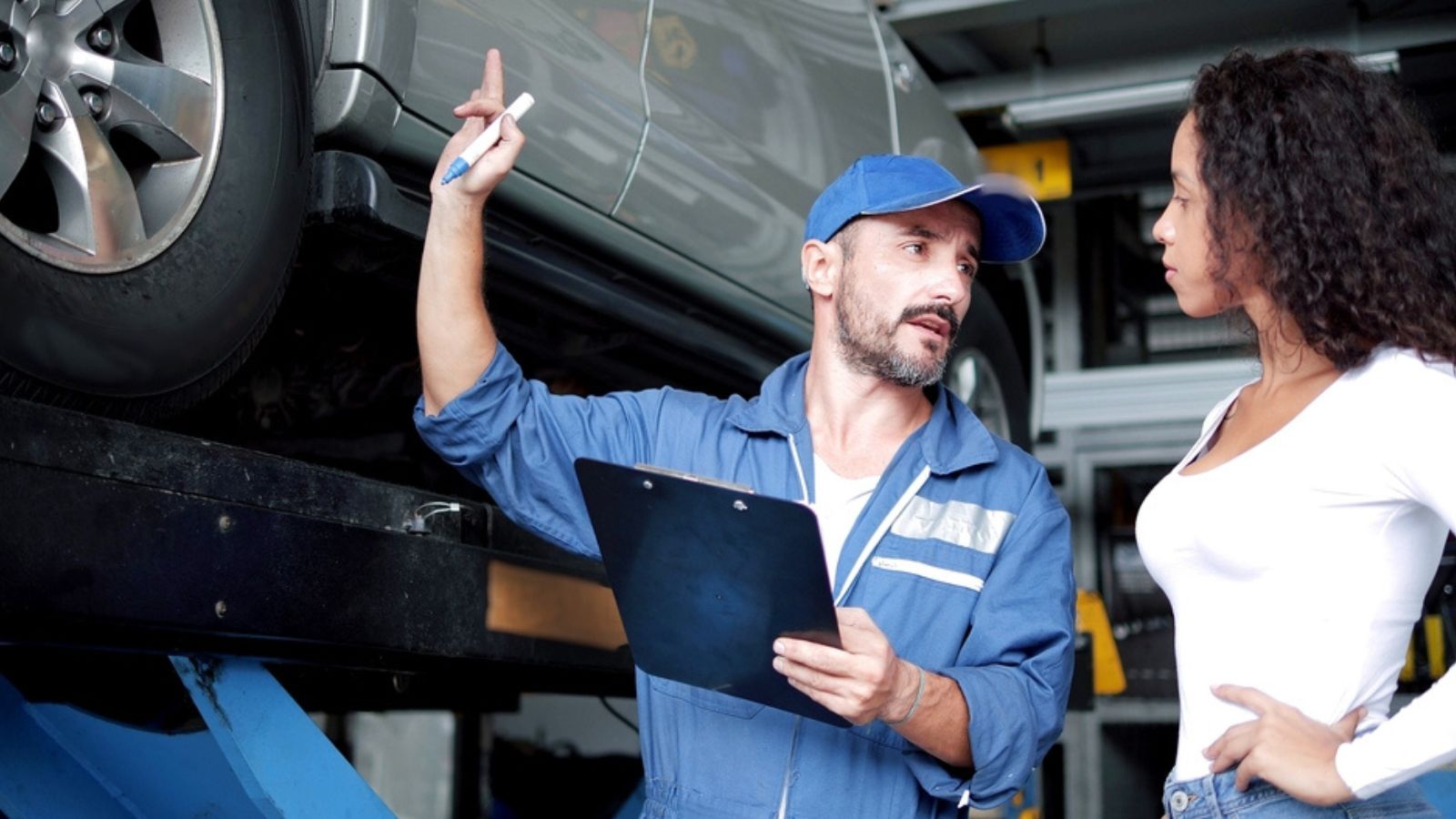
Have Professional Inspections

It is important to perform regular self-checks and maintenance on your brakes, but having a professional inspection gives you peace of mind. A technician or mechanic will diagnose underlying problems such as examining brake lines for hidden rust, leaks, and damage, monitoring brake fluid quality and level for contamination, evaluating brake pad thickness and rotor condition for wear and warping, etc. They may also check that the braking system is calibrated correctly and inspect the complete hydraulic system. With thorough, professional inspections, you can travel confidently, especially on business trips, knowing that everything is in optimal condition.
Do You Check Your Brakes As Often As You Should?
Your brakes need to be in top condition as part of regular car maintenance. Follow these brake maintenance tips to ensure a smoother, safer ride and avoid unexpected issues on the road. Remember, well-maintained brakes protect not only you but also everyone else sharing the road with you.
More From Driver’s Drift

15 Common Tire Brands That Don’t Deliver on Quality
16 Used SUVs to Avoid (Unless You’re After a Money Pit)

15 Compelling Reasons to Avoid Buying a Car With a Sunroof

15 Car Services You Don’t Really Need and Are Just Wasting Money On

Zainab Noor is a motoring journalist. Childhood rides in Nissan Almera fueled her love for cars. After graduating from AIOU in 2021, she steered her passion into freelance writing. You can find Zainab on LinkedIn.


