

Have you ever been inconvenienced by a vehicle breakdown? If not, you likely know someone who has.
One source says the United States has 69 million vehicle breakdowns annually. That means that roughly one in three American motorists is negatively impacted by breakdowns. The source adds that vehicle breakdowns rank number five on American motorists’ top five fears. Considering how common these incidents are, it pays to be prepared.
Hope for the Best, But Prepare for the Worst

You don’t have to live in a paranoid state of mind. Sometimes, bad things happen despite our best efforts. All you can do is hope for the best and prepare for the worst. That way, you won’t be helpless should you find yourself stranded.
Here are 15 things you must know should your vehicle leave you stranded in no man’s land.
Stay in the Vehicle

If you’re stranded in your car, getting out and trying to find help might be tempting. But that might not be the best course of action. That’s especially true if you’re in the middle of nowhere and unfamiliar with the area. It might be better to stay put for the time being, hoping that help arrives sooner rather than later. If you have reception, call AAA, the police, or someone you know.
Preserve Your Phone Battery
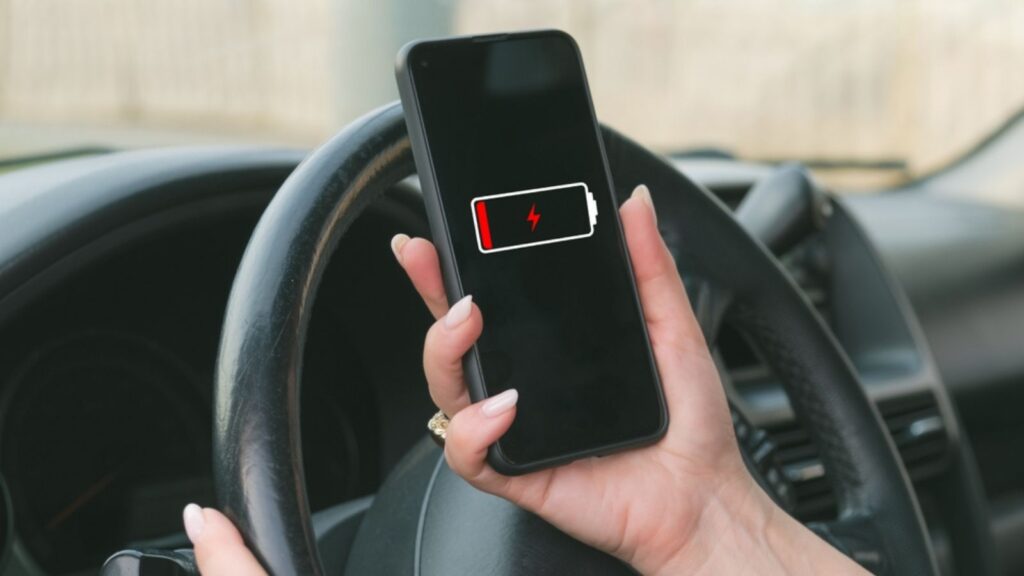
You’ll want to preserve your smartphone’s battery, so use it sparingly other than trying to call for help. You don’t want to end up with a drained smartphone battery when stranded in your car.
Signal for Help
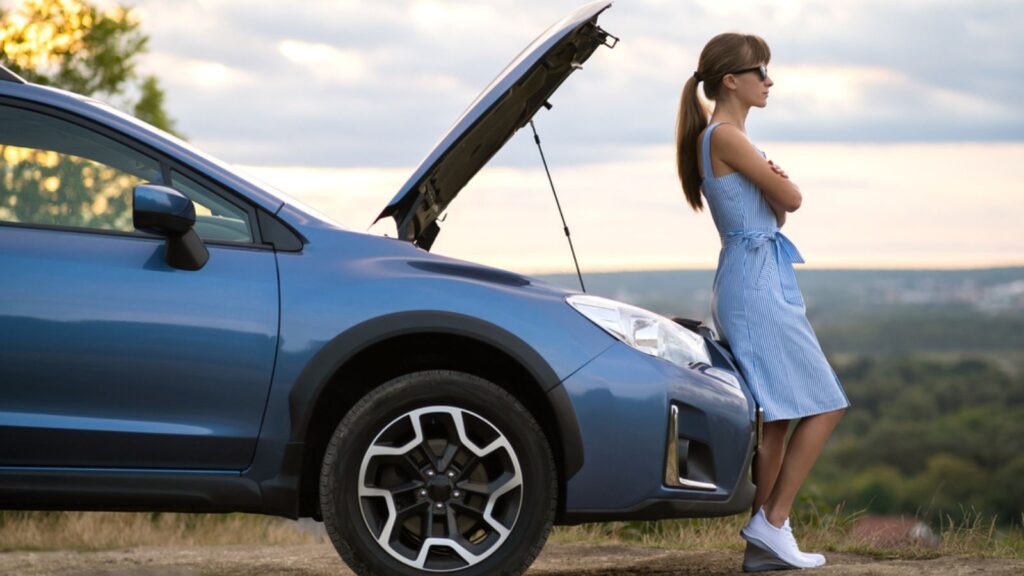
Signal for assistance. You don’t want to sit there and assume that someone knows you need help. Turn on the hazard lights, leave the hood open, or do both.
Use Your Roadside Emergency Kit

Do you have an emergency kit in your trunk or center console? According to Finance Buzz, roughly six in 10 people pack emergency supplies in their vehicles. You need a roadside emergency kit with flares, blankets, non-perishable food, and more. If you don’t have one, now’s the time to buy or assemble one so you’re prepared for an emergency.
Run your Engine Periodically

You don’t want to run out of gas, but if it’s chilly and you need to warm up, run the vehicle for short intervals—around 10 minutes per hour. You may have to run it longer if it’s really cold. Don’t forget to crack a window for ventilation to ensure no dangerous carbon builds up.
Ration Food and Water
If you have food and water, ration it. You have no idea how long it’ll take to get help—that is, unless you know help is on the way. Your best bet is to stretch out your supplies as long as possible. That might mean sipping rather than gulping water to avoid running out.
Stay Calm and Positive
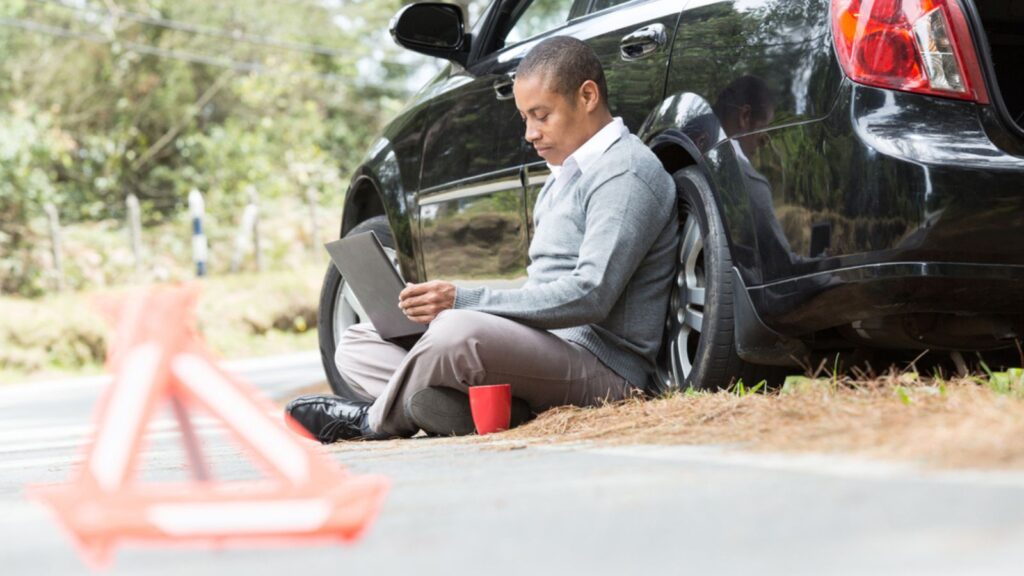
If stranded, it’s best to remain calm. Yes, that’s easier said than done. Getting discouraged or fearful in such situations is easy, but it will only make matters worse. Stay calm and positive to avoid a mental health crisis when you can least afford one.
Don’t Drain Your Battery with Accessories

Avoid draining your battery unnecessarily. That means being mindful about using the lights, heater, AC, or radio. The goal is to conserve battery power since you may be stuck for a while.
Consider Building a Small Fire
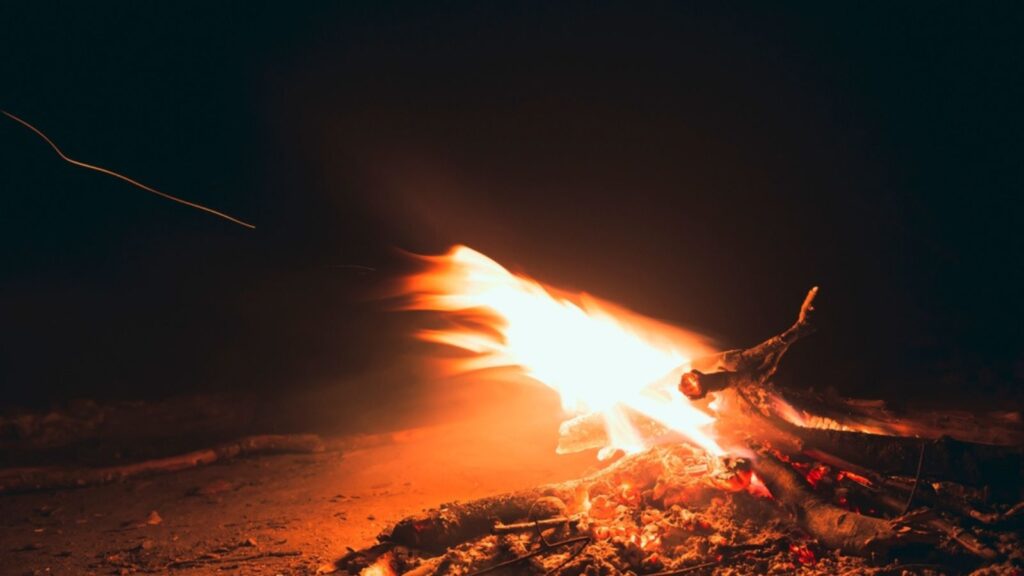
Depending on your location, weather, and camping skills, building a small fire might make sense. Of course, you should only do this if it’s safe. Starting a fire can keep you warm and attract attention to your location.
Keep a Small Shovel Handy

It’s a good idea to keep a small shovel in your trunk. You’ll be glad you did if your car is stuck. A shovel can clear snow, dirt, or anything else impeding vehicle movement.
Secure Car Doors

Just because you may be in the middle of nowhere doesn’t mean you should let down your guard. If you’re stuck somewhere, keep your doors locked. It’s always a good idea to play it safe, especially if you’re in an environment where you have no control over many variables.
Keep a Flashlight Ready for Night Signaling

You’ll want a flashlight if you’re stranded in the middle of nowhere at night. Being in a low-light environment you’re unfamiliar with can be scary—especially if it’s the last place you want to be.
Remember that not all towns have streetlights. But you can see what you’re doing if you have a high-powered flashlight. You might also be able to use it to attract the attention of someone who can help.
Check your Fuel Level Regularly

You should check your fuel level regularly. You’ll want to run the engine occasionally to keep the interior comfortable. But you must check the fuel level to ensure you don’t run out too soon.
Identify Nearby Resources

While it’s best not to stray too far from your vehicle, you might have no choice. You can’t sit and wait forever, after all. If your phone can pick up a reception, locate the closest business or intersection using the GPS function. You may be in for a hike to get some help.
Be Aware of Animals

Depending on where you are, wild animals may be on the prowl. Keep that in mind if you have to leave your vehicle. Exercise caution when eating and disposing of leftovers. In addition to wild animals, beware of wild people. They’re likely your greatest risk.
Help Is On the Way!

Even if you’re a private person, it’s always a good idea to ensure that people know your whereabouts so someone can sound the alarm if you go missing. If you ever find yourself stranded in the middle of nowhere, remember these 15 tips. Knowing what to do in an emergency can make a harrowing situation less stressful.
More From Driver’s Drift

13 Phrases Mechanics Use to Up Your Repair Bill

13 SUVs Owners Say They Wish They Never Bought

15 Vehicles With Blind Spots So Bad You’ll Wonder Why They Even Have Windows

15 Easy-to-Miss Signs of Unmarked Cop Vehicles You Should Know About


