

Having a reliable mechanic makes the car ownership experience smooth. But sometimes, putting too much faith in these professionals can get pricey. They might overcharge for certain parts, taking advantage of your lack of knowledge. We are not saying every mechanic is out to drain your wallet, but it’s worth being aware of the common parts for which mechanics tend to inflate the invoice.
Tires

Tires are also those essentials that mechanics can make you pay more for under the guise of safety. Bad tires indeed mean bad handling and stopping power, posing safety risks. However, if a mechanic suggests a replacement, ensure your tires are worn enough to be swapped with the new ones. And always cross-check the prices with external sources. If they seem unfair, back away and get yourself another deal.
Brake Pads

When you push on the pedal, the pads cling onto the rotors, bringing your vehicle to a stop. Retired brake pads can make this situation scary, creating a sense of urgency that some mechanics may take advantage of. When they smell a newbie, they can rip you off with overpriced brake pads, claiming it’s a “safety” thing, even when it might not be as bad as they claim.
Windshield Wipers

Windshield wipers are the unsung heroes that clear your vision during harsh weather conditions. While they play a vital role, mechanics often charge more for something you can buy at a fraction of the cost. In fact, paying more than $25 for only wipers/blades makes no sense.
Cabin Air Filter
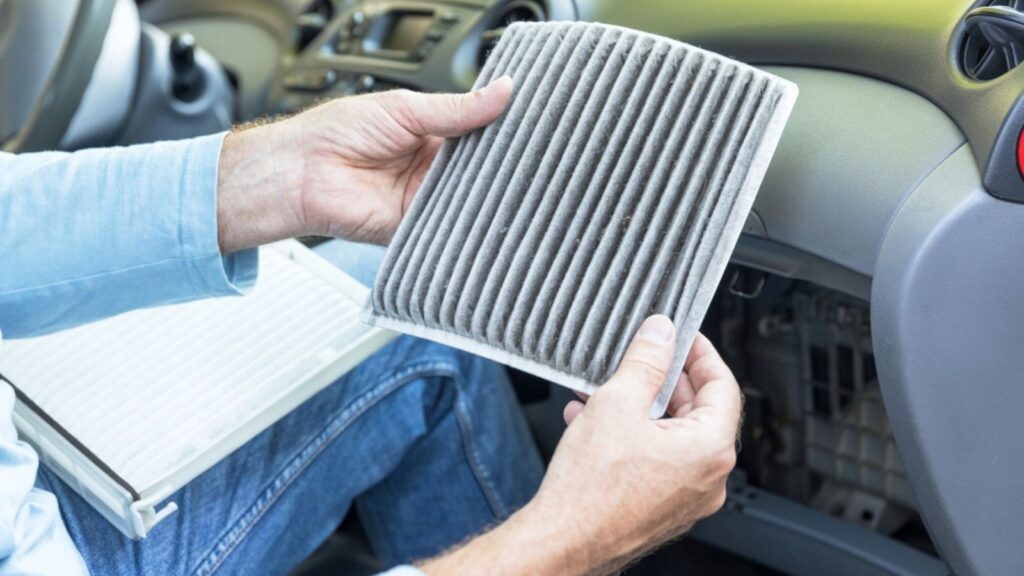
A cabin air filter is handy for the interior’s fresh air supply. You can find one for as low as $8 at Walmart. But, again, a mechanic can easily charge twice the price in the name of labor fees and “quality” components.
Engine Air Filters

A fresh air filter ensures your engine breathes pure air for optimal performance. It usually costs a couple of bucks, but some mechanics can demand more as part of the labor. Replacing the engine air filter is a simple DIY project. Grabbing one from the nearest retailer and changing it yourself is better than getting scammed by a mechanic.
Alternators

As you fire up your engine, the alternator kicks in to keep your battery charged and the electricals running. While it’s one of the critical car parts, some mechanics can slap you with a heavy bill for replacement, especially when you are in a bind. Before you fall for it, cross-check its price with other retailers, as you may score a better deal with minimal installation costs elsewhere.
Fuel Filters

A fuel filter costs around $20-$50, depending on the car’s make and model. However, a dishonest mechanic might inflate this price (excluding the labor charges), claiming that an expensive aftermarket filter will do the job or that your car needs more frequent replacement. Before nodding to their demanded charges, consider getting quotes from different mechanics.
Belts

Timing and serpentine belts keep all engine components running in harmony. Since they can be tricky to install, especially if you haven’t handled car DIY projects before, you seek a mechanic. However, if they quote an unrealistic amount for rubber belts, shop around for better deals.
Light bulbs

The light bulb is surprisingly a lucrative item for some mechanics. They may charge a significant price for even the most standard types in disguise of “quality comes with a price”. For example, a simple halogen bulb costs around $15 at a retail store, but a mechanic could charge you three times that amount.
Shocks and Struts

Shocks and struts are the smooth operators, absorbing all the bumps to ensure a gentle ride. However, some mechanics can push you into paying more by overhyping them with better performance and comfort claims. While it can be a costly replacement, it is wise to compare the prices with external sources.
Spark Plugs
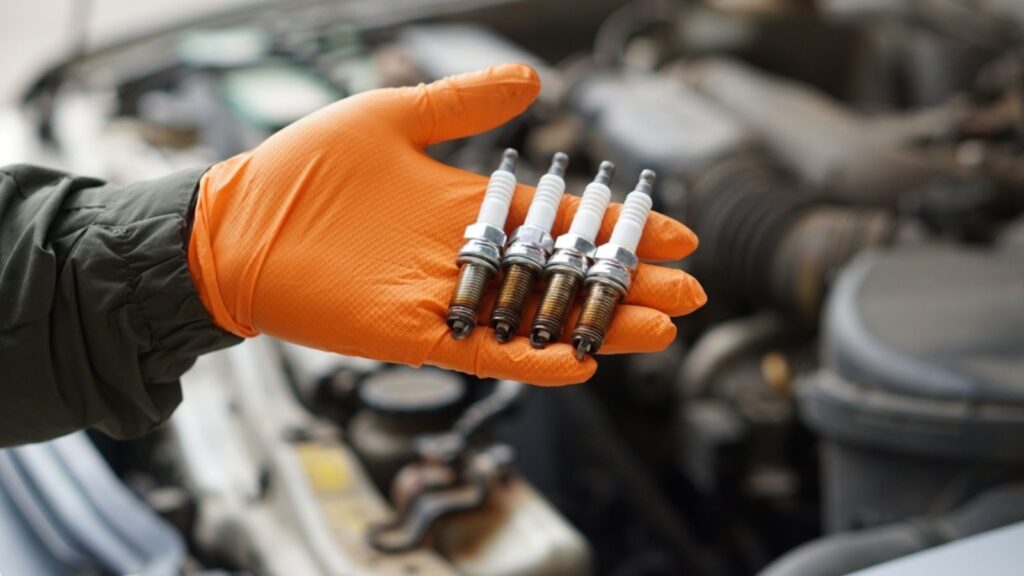
Spark plugs are small but mighty as they help ignite the air-fuel mixture in your engine. They are often cheap; you can find a good one from a local retailer for as low as $10. But, some workshops can hand you a significant bill.
Radiator Hoses

Radiator hoses guide coolant to your engine, keeping it cool. They are usually cheaper, but a fishy mechanic can scare you into overpaying by throwing around destructive overheating scenarios. There is no need to shell out big bucks unless you see visible cracks and bulges. However, if they are begging for a replacement, get them from your nearest store at a fair price and consider DIY to save on labor costs.
Water Pumps

The water pump is the heart of your ride’s cooling system, maintaining a smooth coolant flow to keep your engine chilled. While it’s a crucial component, water pumps don’t die that often unless there is a low-key leak or noise. But if you are handed a hefty bill, ensure the pump’s condition yourself or get a second opinion before you agree on an expensive repair.
Why Pay Extra?

Car maintenance may seem daunting initially, but as mentioned, you can work your way up the ladder by handling basics such as air filters and spark plugs. However, if you still want professional assistance, explore the auto parts market, get a real price quote, and then visit the mechanic shop. They can’t rip off those who have come prepared.
More From Driver’s Drift

GM Recalling 450,000 Trucks and SUVs: Here’s What You Need to Know

15 Used Cars To Steer Clear of at All Costs

15 Vehicles That Leave Owners With Buyer’s Remorse

15 Things Boomers Taught Us About Cars Which are Totally Wrong Today

Zainab Noor is a motoring journalist. Childhood rides in Nissan Almera fueled her love for cars. After graduating from AIOU in 2021, she steered her passion into freelance writing. You can find Zainab on LinkedIn.


