

Have you ever felt uncomfortable when driving back from your local mechanic? Don’t ignore this gut feeling; a mechanic can surprisingly pull tricks on you. We are not saying every repairer is out there waiting to get you, but you never know when fate might unite you with a sketchy professional.
Keep your eyes open for the following clever ways mechanics could lure you into one of their scams.
No Written Estimate

A written estimate protects against potential scams. If your mechanic does not provide a written quote beforehand, it could be a plot to get you to pay more than you need to. If customers aren’t aware of the estimates, they will be clueless about a hefty bill and wonder if it’s legit. So, ask for the estimate before you allow the mechanic to work on your vehicle.
“Open Ended” or Vague Estimates

Even if you receive an estimate for repairs, be wary of those that are open-ended or seem too flexible. Such estimates can be a red flag because they leave room for unexpected costs. Without a firm estimate, your final bill could be padded with services you were unaware your vehicle needed or unnecessary add-ons. Once the work is done, you’ll often be stuck covering these unexpected charges. Unfortunately, disputing these costs afterward can be challenging, especially if you’ve already agreed to the terms.
Not Fixing the Problem Properly

Some workshops may deliberately carry out poor repairs just so you need to visit them again. Quick fixes, slapping low-quality parts, and improper fluid changes can make you their regular customer. Always ask for detailed explanations of the work done to ensure you don’t fall into this trap.
Special Offers

Special offers can be tempting, but they might be deceptive. For instance, a workshop might use a “bait and switch” tactic by advertising a great deal on cheap tires or brake pads. However, once they start working on your car, they may present you with a list of “essential parts” that aren’t covered by the offer. At that point, you’d have little choice but to pay for these additional parts since they’re deemed necessary to complete the installation. This tactic can significantly increase your final bill beyond the initial “special offer” price.
Unnecessary Fluid Flushes

Your mechanic may suggest a fluid flush for brakes, coolant, engine, or transmission. But before you let them drain any, confirm if that’s even necessary. If they have noticed contamination, ask them to check it yourself. For routine replacements, refer to your vehicle’s maintenance schedule to determine if it’s due. Blindly believing them means putting some extra cash in their pocket for nothing.
Claiming Warranty Doesn’t Apply

Sometimes, you might be tricked into paying for repairs that are actually covered under your vehicle’s warranty. A mechanic might mislead you by suggesting a “cheap” fix that isn’t necessary or by implying that warranty coverage doesn’t apply. To avoid this, always review your warranty documents and, if your vehicle is still under warranty, go directly to the manufacturer or an authorized service center for repairs. This way, you can ensure you’re not paying for something that should be covered.
Phantom Repairs

As the name suggests, these are a scam where you pay for never performed repairs. This is particularly tricky with complex components like the engine or suspension, where the work done is not easily visible. To protect yourself, always seek a second opinion if a repair bill seems unusually high or if you suspect you’ve been charged for work that wasn’t done. This extra step can help ensure you’re not paying for nonexistent repairs.
Refusing to Show Replaced Parts

There should be zero ifs and buts when showing replaced auto parts. But, if your mechanic is hesitant, you may have discovered one of their tricks. Politely ask for the reason they’re unable to get back with the parts, and if the reason seems illegitimate, consider getting help from consumer protection agencies.
Lifetime Maintenance Scams

A promise of lifetime maintenance might sound like a great deal, but it’s important to be cautious. Some workshops use this offer as a lure, only to impose hidden fees and deliver subpar service. Before you commit, carefully review the terms and conditions and seek feedback from other customers to ensure you’re getting a genuine and valuable service.
Failure to Provide a Detailed Invoice

A detailed invoice should clearly outline the repairs performed, parts replaced, and the associated costs. If your mechanic is vague or refuses to provide a breakdown of charges, it’s a red flag. They might be inflating parts and labor prices or adding unnecessary services.
Falsifying Discounts

Promotional offers or discounts can sometimes be a clever ruse used by unscrupulous mechanics. They might quote you a high price for a repair, then offer a “discounted” rate that’s only marginally lower than the original price. This tactic creates the illusion of a great deal, when in reality, you’re not saving much, if anything. To avoid falling for this, always get multiple quotes and compare the real prices before deciding.
Labor Overlap Trick

Sometimes, a mechanic might inflate the bill by charging separately for tasks that are actually part of the same job. For instance, if you bring your car in for timing belt issues, the mechanic may need to remove the serpentine belt or alternator to access the timing belt. Instead of bundling these tasks together, they might charge you for each step individually, such as one hour for removing the alternator and another hour for replacing the timing belt. This can be particularly tricky for car owners unfamiliar with vehicle mechanics. To avoid this, ask for a detailed breakdown of the labor charges and ensure that related tasks are billed together.
Deliberate Sabotage for Future Repairs

Are you a regular customer of your local workshop? The vehicle might not be the problem. Some clever repairers can deliberately sabotage your car, so you have no choice but to visit them frequently, as your ride keeps breaking down.
Unclear Work Descriptions
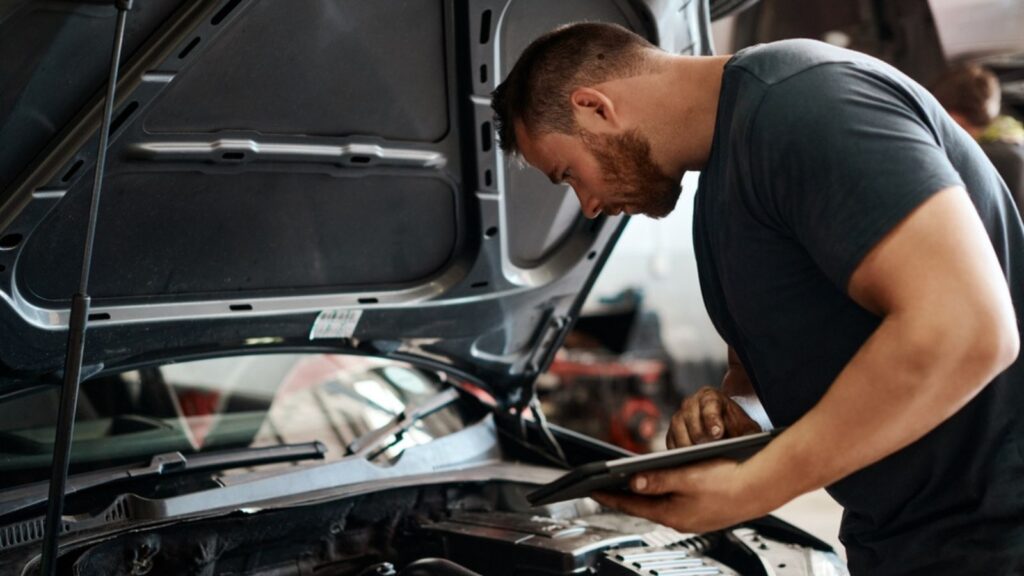
Unclear or vague descriptions of repairs can be a red flag that a mechanic is trying to pull a fast one. If the explanation of what’s being done isn’t detailed or straightforward, it might be their way of charging you more or performing unnecessary work. Always ask for clear, specific explanations of what repairs are needed and why. If something doesn’t seem right, don’t hesitate to get a second opinion. Transparency is key to avoiding unnecessary costs and ensuring you’re getting the service you need.
Pressure for Immediate Decisions

Mechanics sometimes use urgency tactics to push you into making quick decisions without considering your options. They might tell you your vehicle is “unsafe to drive” or present you with a “limited-time offer” that’s hard to resist. To avoid falling for this trick, take your time before agreeing to any repairs. Do your research, ask for detailed explanations, and consider getting a second opinion if needed. A bit of patience and caution can help you avoid unnecessary expenses and make more informed decisions about your vehicle.
Be a Step Ahead

A mechanic has years of experience that’s hard to compete with, but doing a little homework can give you an advantage before you face them. Researching common problems, being aware of parts and their replacement costs, and other related stuff collectively help you negotiate confidently.
More From Driver’s Drift

15 Reasons to Avoid Automatic Car Washes at All Costs

15 Compelling Reasons to Avoid Buying a Car With a Sunroof

14 Items You Should Never Leave in Your Car

Zainab Noor is a motoring journalist. Childhood rides in Nissan Almera fueled her love for cars. After graduating from AIOU in 2021, she steered her passion into freelance writing. You can find Zainab on LinkedIn.


